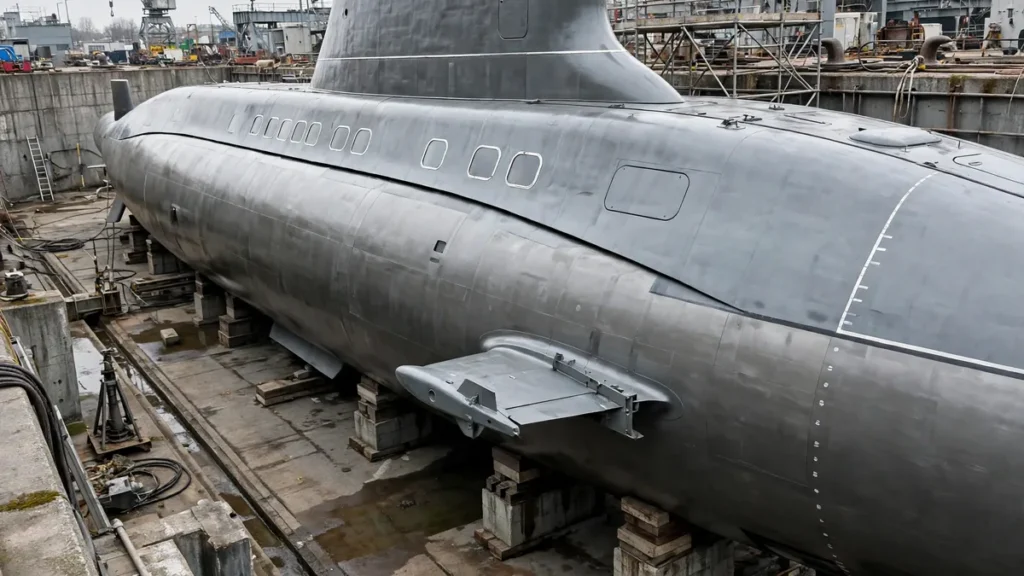
The first time a luxury ship enters dry dock, the scale of the place is hard to take in. The basin is longer than several football pitches, its concrete floor is studded with steel blocks, and the ship slides in on a cushion of water before the gates close and the pumps begin. Within hours the water is gone, the hull stands in open air, and hundreds of workers walk underneath a vessel that normally never leaves the sea.
A dry dock spec sheet is the document that makes that moment possible. It lists the size and weight the dock can take, the way the hull will be supported, the cranes that will reach it, and the services that will keep the work moving. Read it properly and you can tell whether a ship fits, how long the visit will last, and what can go wrong if a single number is ignored. This is what each figure means, and which ones matter most.

The Spec Sheet, Line by Line
Dock length, width and lifting capacity
The first figures on any dry dock spec sheet are its dimensions. The dock must be longer and wider than the ship, with room to spare for staging, scaffolding and the gates themselves, and the spec sheet states those clear dimensions rather than the size of the concrete basin. A ship that fits on paper but leaves no room for the workers around her is a ship that cannot be serviced properly, and the clearance figures are what the planners check first.
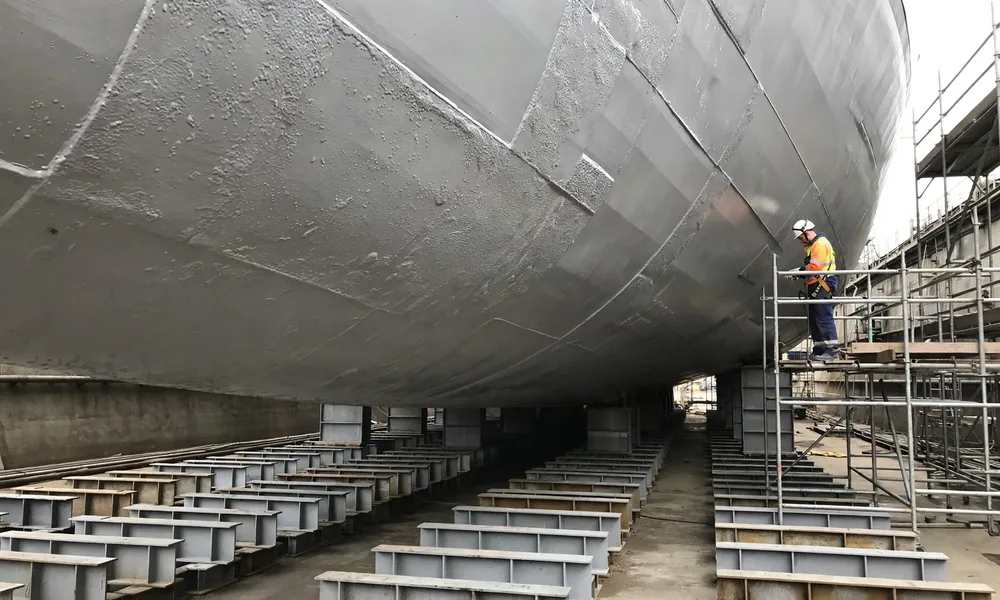
Keel blocks and hull support
The block plan is drawn for each ship, not copied from the last one. The shape of the hull, the position of the propellers and the rudders, and the location of sea chests and sensors all decide where a block can safely sit. Surveyors check the plan before the dock is flooded, and they walk the dock floor with the drawing in hand, because a block under a sensor or a thin plate is a repair waiting to happen. The same care with the underside of a hull runs through the way a luxury ship keel is made, where the backbone of the vessel is built to carry exactly these loads.
Water depth, gates and pumping
Before any of that, the ship has to get in. The spec sheet lists the depth of water over the dock sill at high tide, and the width of the entrance, because a ship with a deep draught can only enter when the tide is high enough. The gates themselves are huge steel caissons that float into place and sink onto the sill, and their dimensions and sealing arrangement are listed too, since a gate that leaks turns a dry dock into a very expensive swimming pool.
Cranes, power and yard services
A dry dock is useless without cranes, and the spec sheet lists their reach and lifting capacity. A gantry crane spanning the dock can lift a propeller, a rudder or a section of steel plate straight out of the ship and onto a truck, and the spec sheet says how heavy a load it can carry at each point along its span. Smaller mobile cranes work the decks, and their positions are planned so that nothing has to be carried further than it must.
Hull cleaning, paint and propellers
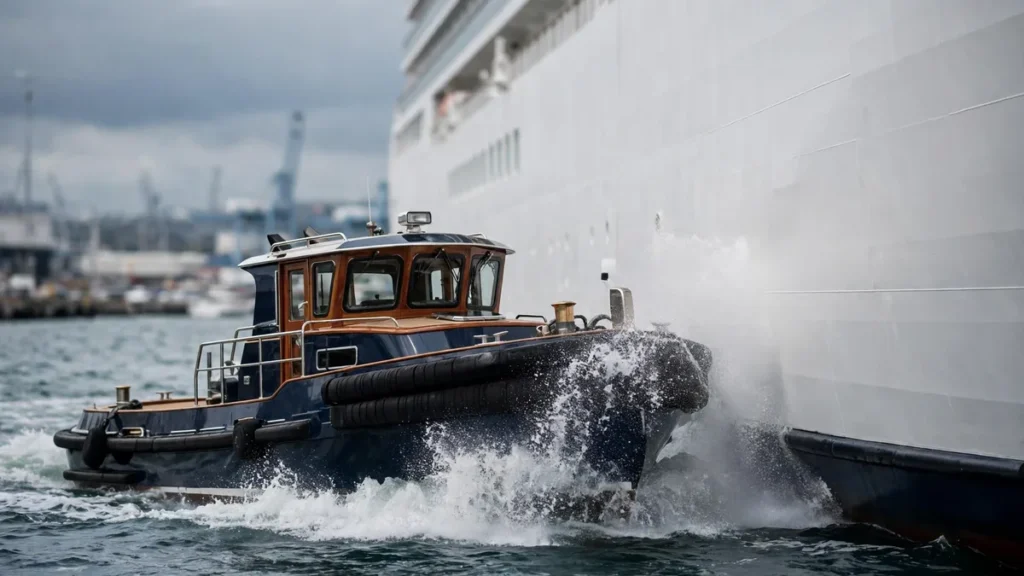
The propellers get their own attention. Each blade is measured, polished and checked for cracks, and the spec sheet records the propeller diameter, the number of blades and the clearance between the blade tips and the hull. A polished propeller is not cosmetic work; a rough blade wastes fuel on every voyage, and a cracked blade can fail at sea. The rudders and stabilisers are inspected at the same time, and the way a luxury ship tugboat is made shows how the small, powerful vessels that guide the big ship into dock are built for exactly this kind of close work.
Inspections, surveys and the sailing date
The schedule is the final figure, and it is the one the owners watch most closely. A typical luxury ship dry docking lasts ten to fourteen days, and the spec sheet breaks that into phases: docking, cleaning, steelwork, machinery, paint, flooding and trials. Each day out of service costs the owner a fortune in lost revenue, so the yard plans the work in shifts around the clock, and the sailing date on the spec sheet is treated as a promise, not a guess.
| Spec | Detail |
|---|---|
| Dock length | About 300 to 400 metres clear, longer than the ship with working room |
| Dock width | About 45 to 60 metres at the entrance, with room for scaffolding |
| Lifting capacity | Roughly 80,000 to 150,000 tonnes of ship plus stores and water |
| Keel blocks | Steel and timber blocks in a line under the keel, spaced to the hull plan |
| Water over the sill | About 9 to 12 metres at high tide, enough for a deep-draught ship |
| Gantry crane | About 300 to 500 tonnes lift, spanning the full width of the dock |
| Typical visit | 10 to 14 days, with hull, machinery and survey work running together |
The figure most people misunderstand is the dock’s capacity, because a bigger dock is not automatically a better one. A dock that is too large costs more to flood and pump, takes longer to prepare, and leaves the ship rattling around in empty space, while a dock that fits snugly lets the cranes reach everything and the workers move fast. That is why the spec sheet lists clear dimensions and floor strength, not just the size of the hole in the ground.
What One Costs
A routine dry docking for a large luxury ship typically costs an estimated 5 to 15 million dollars, set mostly by the size of the ship, the length of the stay and how much steelwork or machinery work is found once the hull is exposed. The dock hire itself is only part of the bill; paint, propellers, surveyors and hundreds of workers cost more than the concrete basin. A major refit in the same dock, with new cabins or public rooms, can push the estimated total past 50 million dollars. The bridge that guides the ship into dock is measured with the same care, and the way a luxury ship bridge’s specs are explained shows how the room that steers her is specified.
A Rare Fact
The first dry docks were built in ancient Egypt and China, where ships were floated into walled basins and the water was bailed out by hand so workers could repair the hull below the waterline. The idea barely changed for thousands of years: float the ship in, shut the gate, remove the water. The modern version adds pumps, cranes and steel gates, but the moment the keel settles onto the blocks is exactly the same as it was in the ancient world.
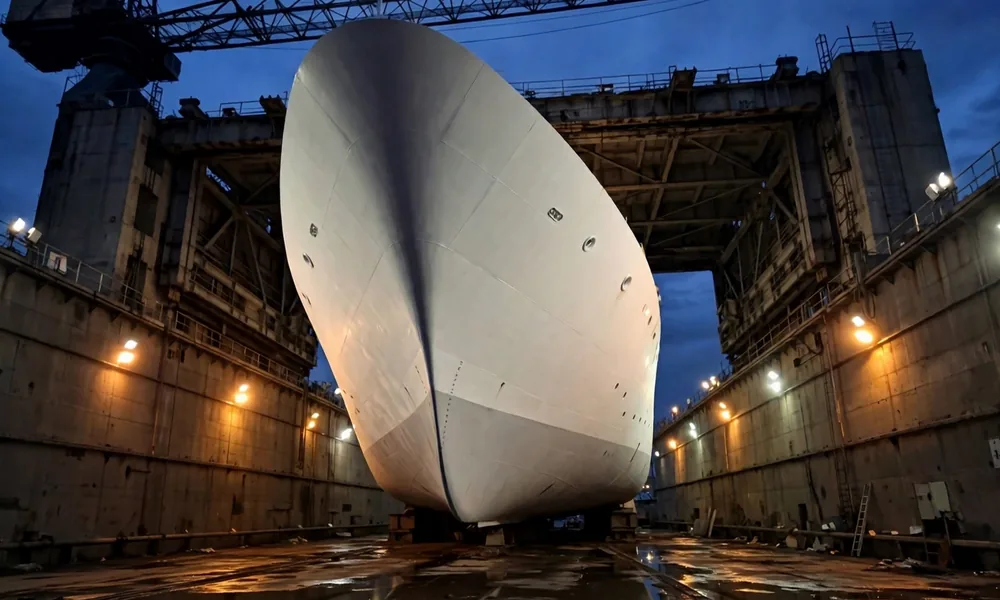
A dry dock spec sheet looks like a list of concrete and steel, yet it is really a timetable in disguise. Every dimension, every block and every crane is there to answer one question: how quickly can this ship be cleaned, checked and returned to the sea in better shape than she arrived. When the gates open and the water rushes back in, the ship floats free of the blocks, and the numbers on the sheet have done their job.