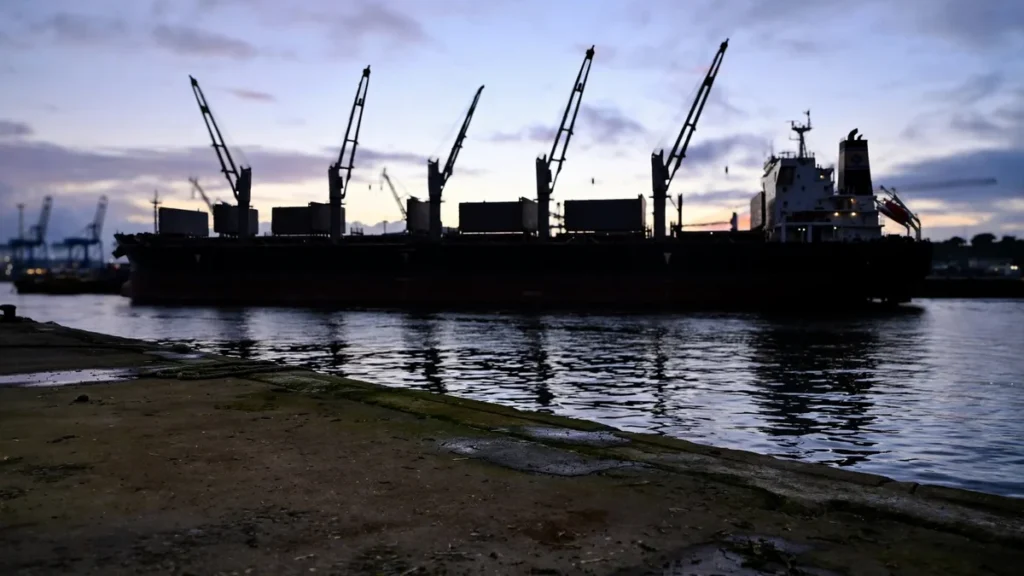
The submarine was running just below the surface, at periscope depth, and the diesel engines were running too. That should have been impossible. A diesel needs air, and a submarine under water has none to spare, yet the engines were turning, the batteries were charging, and the boat was moving on diesel power while the sea washed over its hull. The secret was a single tube rising above the waves behind the sail, thin and easy to miss, breathing for the whole boat. It was the snorkel, and it is one of the cleverest compromises in naval engineering.
A submarine snorkel, also called a snort mast, is a retractable mast that lets a submerged submarine draw in fresh air for its diesel engines and exhaust the fumes, while the hull stays underwater. Before the snorkel, a diesel submarine had to surface completely to run its engines and charge its batteries, which made it visible to every aircraft and ship in the area. With a snorkel, the boat can stay down at shallow depth, with only the tip of a mast breaking the surface, and do the same job. But it changed submarine warfare, and it remains in use on conventional submarines today.

How a Submarine Snorkel Works
The snorkel is a system, not just a tube. It has an intake mast that brings air down, an exhaust mast that carries fumes up, valves that shut instantly if a wave covers the top, and a control system that balances the air pressure inside the boat so the crew can breathe while the engines drink.
Step 1: Raising the mast to the surface
When the submarine reaches periscope depth, usually around 15 to 20 metres, the crew raises the snorkel mast from the sail. The mast is a streamlined steel tube that telescopes or hinges up, with its head just above the waves. The submarine diesel engine it serves is the reason the mast exists at all, and the two are operated as a single system from the control room.
Step 2: Drawing fresh air down to the engines
With the mast up, the diesels draw their air through it. The intake air travels down the mast, through a trunk inside the sail, and into the engine room, where the engines burn it with fuel to make power. That power drives the propeller and charges the batteries at the same time, which is the whole point of snorkelling: the boat is refilling its underwater energy while still submerged. The air flow is enormous, and the intake is sized so the engines never starve, even when the submarine is making speed.
Step 3: Sending the exhaust back up
The engines’ exhaust goes the other way, up a separate trunk inside the same mast or a second mast beside it, and out above the waves. The exhaust is hot, and the mast is cooled and insulated so the heat does not damage the seals or show up too clearly on a thermal camera. The exhaust valves are built to shut fast, because the sea is always trying to get in through the same opening the exhaust is trying to get out of.
Step 4: The head valve that saves the boat
The most important part of the snorkel is the head valve at the top of the intake mast. It is a float or a fast-acting flap that slams shut the moment a wave washes over the mast head, and it opens again as soon as the water clears. Without it, a wave would send seawater straight down into the engine room. The submarine air system manages that pressure swing, topping up the boat’s air and keeping the compartments breathable while the valve does its work.
Step 5: Balancing pressure and watching the depth
Snorkelling is a balancing act. The submarine must hold its depth precisely, because if it goes too deep the mast dips under, and if it comes too shallow the hull breaks the surface. The planesmen watch the depth gauge constantly, and the control system trims the boat with small adjustments to the ballast. The engines’ air demand changes with speed, so the officer of the watch sets the depth and speed together, and the whole boat listens for the change in engine note that says the head valve has closed.

Step 6: Lowering the mast and going deep
When the batteries are charged, the crew stop the diesels, shut the intake and exhaust valves, and lower the mast back into the sail. The snorkel has done its job: the boat has refuelled its energy without ever surfacing, and the only trace of the operation is a fading wake and a few bubbles. Submarine ballast tanks take over from here, controlling the dive, while the snorkel waits, stowed and dry, for the next time the boat needs to breathe.
Submarine Snorkel Specifications
| Specification | Typical figure |
|---|---|
| Snorkelling depth | Periscope depth, roughly 15 to 20 metres |
| Mast height above water | 1 to 3 metres, depending on sea state |
| Air flow | Several cubic metres per second at full engine power |
| Head valve closing time | Less than one second on wave contact |
| Diesel power while snorkelling | Full engine power, driving propeller and charging batteries |
| Battery charge time | Several hours, depending on battery size and sea state |
| Detection risk | Mast head and exhaust plume visible to radar and aircraft |
What a Submarine Snorkel Costs
The snorkel is part of the submarine’s sail and induction system, so its cost is not sold separately, but the mast, valves, and controls represent an estimated $2 million to $10 million of a conventional submarine’s build, depending on the boat’s size and the sophistication of the head valve and exhaust cooling. The real cost is operational: snorkelling forces the boat to shallow water, where it is most vulnerable to detection, and a submarine that must snorkel for hours is a submarine that cannot hide. That is why modern conventional submarines also carry air-independent propulsion, which lets them stay down for weeks, and use the snorkel only when they need to charge quickly or run at speed. The snorkel is cheap insurance, but it is insurance the crew would rather not have to use.
A Rare Fact About the Submarine Snorkel
The snorkel was invented by Dutch engineers before the Second World War and was first used in combat by German U-boats in 1943, and it arrived too late to change the outcome of the war but early enough to change submarine design forever. Even rarer, the first snorkels had no automatic head valve, so a wave could flood the engines, and early crews learned to watch the sea through the periscope and shout a warning to stop the engines before a wave hit, a job that was as stressful as it sounds. The automatic valve that replaced that shout is still the most important piece of the system, and it is tested before every patrol, because it is the one valve that stands between the sea and the engine room.
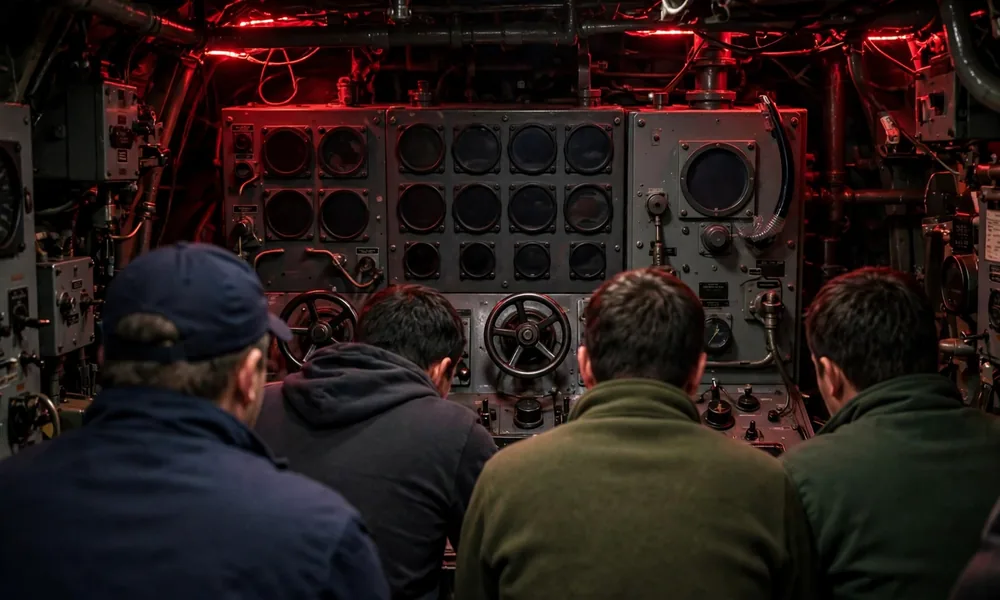
The submarine snorkel is a humble tube that lets a boat breathe without surfacing, and it remains one of the defining inventions of the diesel submarine. The next time you picture a submarine slipping silently through deep water, remember the hours it spent just below the surface, with a thin mast in the air and its engines running, charging its batteries for the long quiet dive ahead.