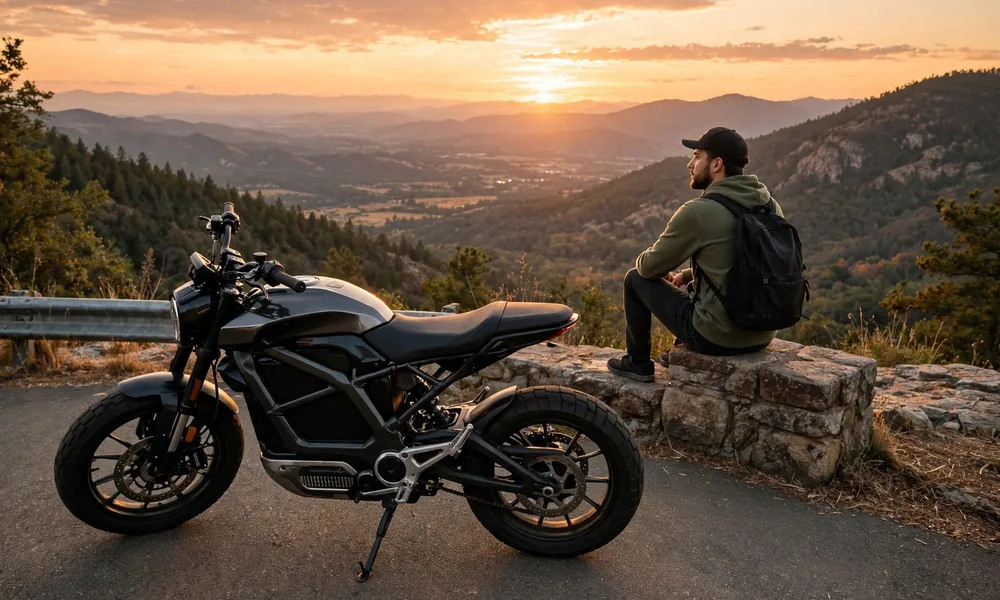
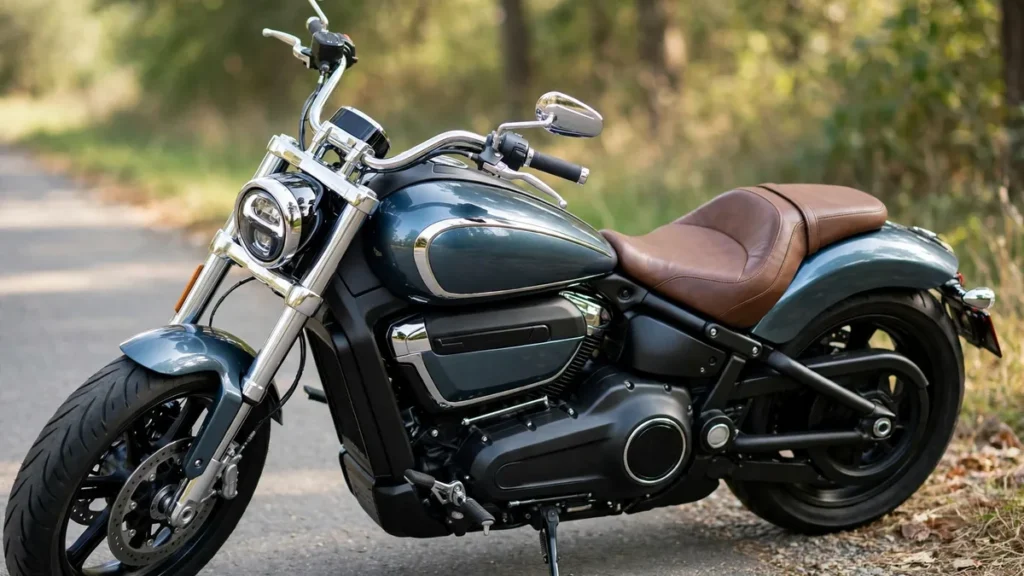
For a hundred years, a motorcycle announced itself. Electric motorcycles have quietly ended that era, and the reaction has been strange: riders mourn the noise, manufacturers add fake engine sounds, and reviewers complain that the bike feels too silent. They have it backwards.
This is a case for quieter electric motorcycles, and for treating quiet as a feature worth engineering for, not a side effect to be covered up. The top 10 quietest electric motorcycles 2027 ranks the bikes that already do this well; this argument is about why the whole class should follow them. Quieter bikes are safer in the ways that matter, kinder to the places they ride through, and more enjoyable for the rider. The roar had its century. It is time to let it go.
Quiet bikes can go where loud bikes cannot
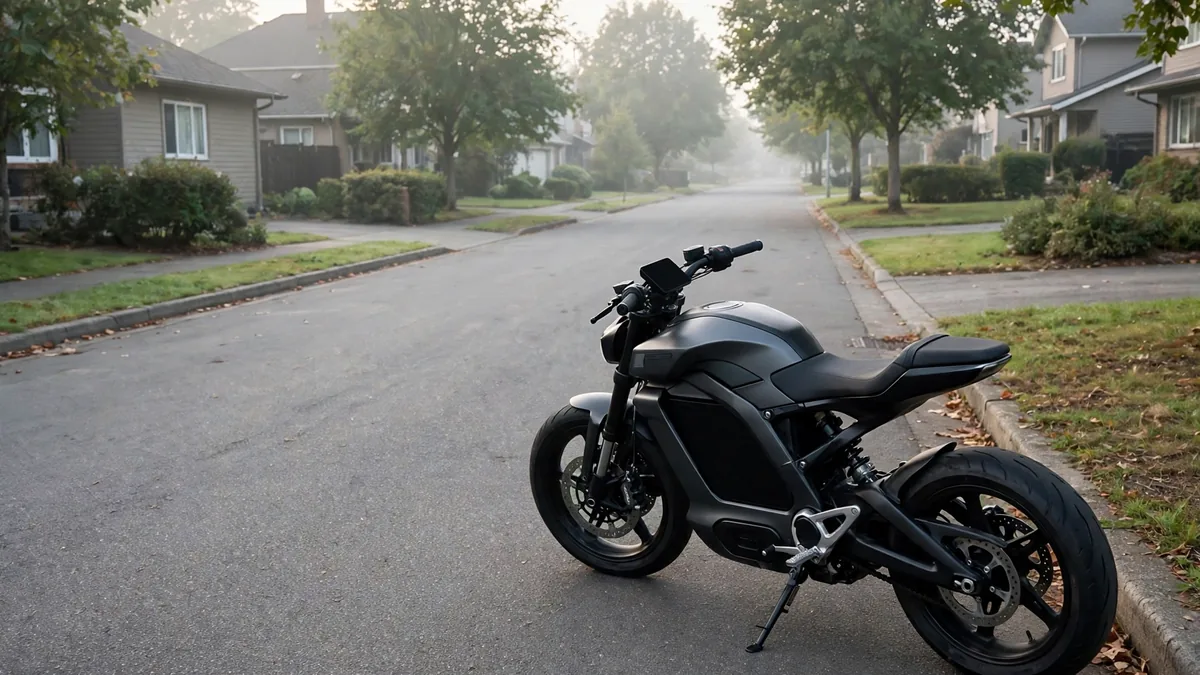
The most practical argument for quiet is access. Loud motorcycles are banned, restricted or resented in a growing list of places: national parks, residential streets at night, hospital zones, and whole towns that have had enough of exhaust noise. A loud bike is a guest that wears out its welcome, and every complaint lands on every rider.
A quiet electric motorcycle changes the negotiation entirely. It can ride through a village at dawn without waking anyone, slip through a city centre without setting off car alarms, and use trails and green lanes where a roaring engine would be chased away. The best electric motorcycles of 2027 shows how capable the class has become, and the quietest of them are the ones that can be ridden the most places, at the most times, by the most people.
The rider hears the road again
Ask a rider what they miss about a loud bike and they will talk about the sound. Ask them what they gain from a quiet one and the answer is subtler, but it lasts longer. On a quiet motorcycle, the rider hears the tyres on the road, the wind over the helmet, and the small sounds that tell them what the bike is doing. Grip, surface, speed and lean all become audible, and the rider becomes more connected to the road, not less.
There is a physical benefit too. Hours of engine roar and exhaust drone are tiring, and tired riders make mistakes. A quiet bike leaves the rider fresher at the end of a long ride, with less ringing in the ears and less fatigue in the shoulders. That freshness is a safety feature in itself, because a tired rider reacts slowly and a fresh one does not. Riders who spend a week on a quiet electric bike rarely ask for the noise back. They ask why nobody told them riding could feel like this.
Quiet is safer than loud, in the ways that count
The loudest defence of motorcycle noise is safety: loud pipes save lives, the saying goes, because other road users hear the bike coming. It is a comforting idea, and it is mostly wrong. A loud exhaust points backwards, so the people who hear it best are the ones the bike has already passed. The driver ahead, the one who matters, hears very little over their own engine, their music and their closed windows, and what they do hear gives them no useful information about where the bike is or what it is about to do.
What actually keeps a rider safe is being seen, being predictable, and being in the right place on the road, and none of those depend on noise. The case against giant electric motorcycles makes a related point about size and presence: what other road users notice is the bike they can see, not the one they can hear after it has gone. Quiet does not make a bike invisible. It makes the rider rely on the things that genuinely protect them.
Cities and countryside both deserve the quiet
Motorcycles do not only affect their riders. They affect everyone within earshot, and in a city that can be thousands of people per ride. A loud bike at midnight wakes a street. A group of loud bikes on a country lane shatters an afternoon for walkers, wildlife and everyone living along the road. The noise is not a private pleasure. It is a cost imposed on strangers, and it is a cost they never agreed to pay.
Electric motorcycles offer a way out of that conflict. A quiet bike can share the road with everyone else without demanding their attention or their tolerance, and that makes motorcycling sustainable in a way loud bikes never will be. The loud bike is riding on borrowed time, and the riders who switch to quiet now will be the ones still riding when the rules arrive.

Manufacturers should stop faking the noise
The strangest response to electric quiet has come from the manufacturers themselves. Worried that riders will miss the roar, some add speakers that play fake engine sounds, complete with artificial gear shifts and exhaust notes. It is a well-meaning idea and a bad one. A fake sound is worse than silence: it is a reminder of something that is not there, and it throws away the best thing about the bike in order to comfort riders who have not yet tried the alternative.
The engineering effort spent on fake noise would be better spent on real quiet: better motor mounts, smoother drivetrains, wind management that keeps the cockpit calm, and tyres chosen for a quiet ride as well as grip. Riders do not need a soundtrack. They need a machine that lets them hear the road, and manufacturers who trust the silence will build better bikes than those who hide from it.
The honest counter-case
Quiet does have a genuine cost, and the honest version of it is about awareness. Pedestrians, especially in cities, listen for traffic before they look, and a silent motorcycle can surprise someone stepping off a kerb. Cyclists and other riders may not notice a quiet bike approaching from behind. The risk is real, and it is the one argument for noise that deserves respect.
But the answer is not to bring back the roar. A quiet, well-designed alert sound at low speed, like the ones electric cars already use, warns pedestrians without drowning a street in noise. Better road positioning, brighter gear and more attentive riding do the rest. The counter-case asks for a small, targeted sound at walking pace, not for a return to exhaust thunder at every speed. That is a solvable engineering problem, and it is no reason to give up on quiet altogether.
The verdict
Quieter electric motorcycles are better motorcycles. They can ride in more places at more hours, they let the rider hear the road and arrive less tired, they impose no noise on strangers, and they will still be welcome when the rules on noise finally catch up with the bikes that ignore them.
Riders, reviewers and manufacturers should stop treating silence as a problem and start treating it as the point. Let the bike be silent, and let the riding itself do the talking that the exhaust used to do. The century of the roar is over. The quiet bike is the future, and it is already here.