The Bicycle That Costs as Much as a Car
In a small workshop in the Black Forest, a bicycle is being built that will sell for more than a well-equipped family hatchback. There is no production line. One builder assembles the frame, another fits the drivetrain, and a third spends a full day on the cabling alone, routing wires and hydraulic lines through the frame so that nothing is visible from the outside. The finished machine weighs less than many road bikes, travels further on a charge than most riders can pedal in a day, and is delivered to its buyer in person, by the person who built it. The buyer is not buying transport. They are buying a bicycle made the way a watch is made.
The luxury electric bicycle is the newest member of the luxury machine family, and it confuses people more than any other. A bicycle is, in most minds, a simple thing, and an electric bicycle is a bicycle with a motor. How can one cost as much as a car? The answer lies in what happens when a boutique builder takes every part of a bicycle, frame, motor, battery, drivetrain, and electronics, and refuses to compromise on any of them. The result is a machine where the whole is far more expensive than the sum of its parts, because the parts were never meant to be ordinary.
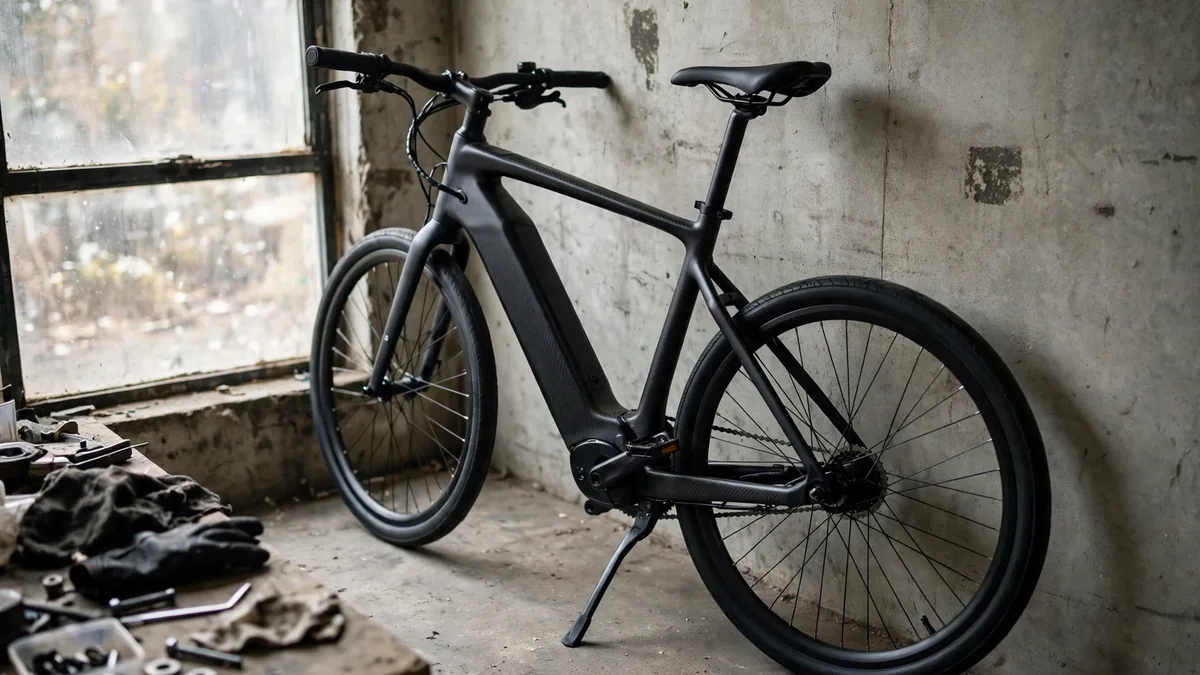
Craft: One Builder, One Bicycle
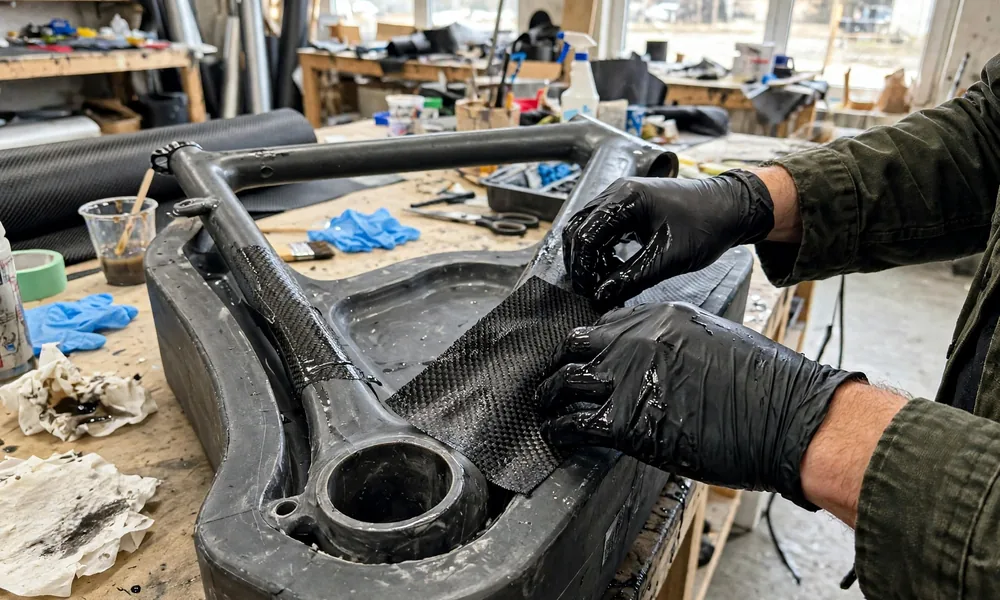
The frame is where the hand work begins. Luxury builders work in carbon fibre, titanium, or a combination of both, laying up carbon by hand or welding titanium tubes in an argon-filled chamber to keep the metal pure. A carbon frame for a luxury electric bike is not pulled from a mould shared with a thousand others. It is laid up in a specific sequence, cured under precise conditions, and finished by hand until the surface is flawless. A titanium frame is welded by a specialist whose work is inspected under magnification, because a single imperfect weld in a frame that will carry a motor and a battery is a failure waiting to happen.
Materials: Carbon, Titanium, and Parts You Cannot Buy
The materials in a luxury electric bicycle are chosen without regard to cost, which is a rare freedom in manufacturing. Carbon fibre of the grade used in aerospace, titanium fasteners that never corrode, ceramic bearings that spin with almost no friction, and hand-stitched leather grips are all standard at this level. Each material is chosen for a reason: carbon for stiffness and weight, titanium for durability and ride feel, ceramics for efficiency. The result is a bicycle that weighs 14 to 18 kilograms including motor and battery, a figure that mass-market electric bikes, typically 22 to 28 kilograms, cannot approach.
The electronics are a world apart from ordinary electric bikes. A luxury machine uses a motor and battery system developed for it specifically, or a flagship system tuned by the builder, with software that manages power delivery, range, and regeneration with a subtlety that cheaper systems cannot match. The display is often a minimal, beautifully made unit, or the bike has no display at all, with information sent to the rider’s phone. The battery is the single most expensive component, and the reasons are set out in our piece on why an e-bike battery is so expensive, which explains the chemistry and engineering behind the cost.
Rarity: Tiny Runs and Waiting Lists
Scarcity is built into the luxury electric bicycle by design. A boutique builder may produce 200 to 500 bicycles a year, across all models, and some of the most exclusive machines are limited to runs of 50 or fewer. Buyers join waiting lists that stretch for months, and the waiting itself becomes part of the appeal. A bicycle that anyone can buy tomorrow is a product. A bicycle that takes a year to obtain is a possession.
The service that comes with the bicycle is part of the rarity too. Luxury builders offer personal delivery, a fitting session that can take a full day, and a service relationship that lasts for the life of the machine. The buyer knows the person who built their bicycle by name, and that person knows the bicycle by its serial number. In a world where most products are anonymous, that relationship is worth paying for, and it is something a mass-market brand cannot offer at any price. The frame is the foundation of all of this, and our account of why an e-bike carbon frame is so expensive shows how much craft goes into the structure alone.
What the Money Buys on the Road
On the road, a luxury electric bicycle feels unlike any other. The motor assistance is so smooth that a rider can forget it is there, the weight is so low that the bike handles like an ordinary road bike, and the range, often 100 miles or more, removes the anxiety that haunts cheaper electric bikes. The brakes are hydraulic discs from the top of the range, the shifting is electronic and instant, and the ride quality, tuned by the builder’s choice of materials and geometry, is something that can only be described by riding it.
The comparison with a conventional luxury bicycle is instructive. A hand-built titanium road bike without a motor can already cost $10,000 or more, and the reasons are similar: craft, materials, and rarity. Our piece on why a titanium bicycle frame is so expensive explains the metallurgy and hand work behind that price, and an electric luxury bike adds a motor, a battery, and a full electronic system on top of it. Viewed that way, the price is not a mystery. It is the logical result of refusing to compromise at every step.
Key Specifications at a Glance
| Specification | Typical luxury figure |
|---|---|
| Weight | 14–18 kg including motor and battery |
| Motor power | 250 W nominal, up to 85 Nm torque |
| Battery capacity | 360–700 Wh |
| Range | 60–120 miles per charge |
| Frame material | Carbon fibre, titanium, or both |
| Drivetrain | Electronic shifting, belt or chain |
| Brakes | Hydraulic disc, top-tier groupset |
| Annual production | 200–500 units per builder |
| Build time | 20–40 hours of hand work |
| Charging time | 2–4 hours to full |
What a Luxury Electric Bicycle Costs
Luxury electric bicycles typically sell for $12,000 to $30,000, with the most exclusive limited editions reaching $50,000 or more. These are estimates based on current boutique pricing, and they vary with specification, materials, and the builder’s reputation. A titanium-framed machine with a custom drivetrain will cost more than a carbon model from a larger boutique, and a one-off commission can exceed the top of the range entirely.

A Rare Fact Worth Knowing
One of the most exclusive electric bicycles ever made was built in a run of just 24, with a frame of titanium and carbon fibre, a motor developed for the project alone, and a price that rivalled a small car. Each bicycle was delivered by the builder in person, and the buyer received a book documenting every stage of their machine’s construction, from raw metal to final test ride. The bicycles have rarely appeared for sale since, and when one does, it sells within days. The builder’s waiting list, meanwhile, has never been empty. A bicycle that comes with its own biography is, it turns out, a very hard thing to part with.


