Electric scooters were designed to be stood on, and for a short trip across town that is fine. For a daily commute of half an hour or more, standing gets old fast. A seat changes the whole machine. It turns a scooter from a toy for short hops into a proper vehicle you can ride every day without arriving sore.
The trouble is that most scooter seats are afterthoughts. They are narrow, hard, mounted on a post that flexes, . A good seat is the opposite: wide enough to sit on properly, padded enough for a long ride, and mounted on a post with real suspension. The difference between the best and the worst is not subtle. It is the difference between a scooter you ride daily and one that gathers dust in the hallway.

How we ranked them
We ranked seats on comfort first, because that is the entire point. Padding thickness, width, shape and how the seat feels after thirty minutes mattered more than anything else. Suspension came next: a seat post that absorbs bumps is worth more than extra foam. Then we looked at fit and adjustability, since a seat that cannot be set to your height is useless, and at build quality, because a wobbling post is both uncomfortable and unsafe. Weather resistance rounded out the scoring.
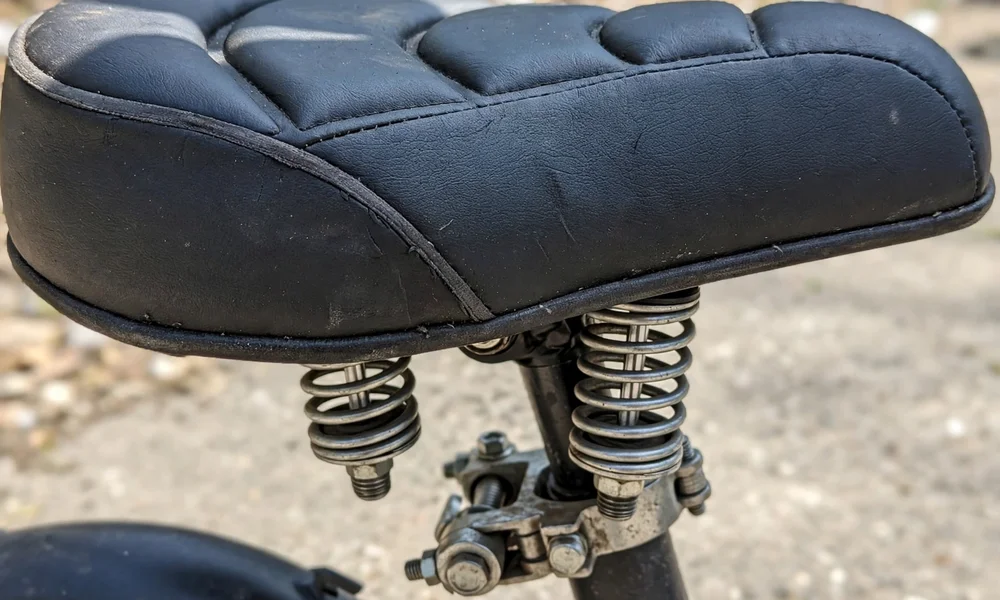
1. The wide sprung saddle. The best scooter seat is a wide, generously padded saddle on a sprung post, and it wins by a clear margin. The width spreads your weight so nothing goes numb, the springs take the edge off potholes, and the shape lets you shift position on a long ride. It is heavier than a slim saddle, but after a month of commuting you will not care how it looks. Comfort is the whole job, and this seat does it best.
2. The suspension-post comfort seat. Close behind is a slightly narrower saddle paired with a proper hydraulic suspension post. The post does the heavy lifting, smoothing out rough roads so well that the saddle itself can be firmer and more supportive. It is the best choice for riders on bad roads, and the post adjusts for rider weight. The only downside is price: good suspension posts are not cheap.
3. The extra-wide cruiser saddle. This is the armchair of scooter seats: very wide, very thick, with a sprung base and a shape that suits upright riding. It is superb for relaxed cruising and for larger riders, and it makes a scooter feel more like a small motorcycle. It is too wide for sporty riding, but for comfort over distance it is hard to fault.
4. The gel-padded touring saddle. Gel padding moulds to your shape and spreads pressure better than foam alone, which makes this the best seat for long rides. It stays comfortable after an hour in a way foam seats do not. It is heavier than a foam saddle and it costs more, but riders who cover serious distance every day will feel the difference within the first week.
5. The adjustable quick-release seat. This seat wins on practicality. It slides up and down in seconds, folds flat for carrying the scooter onto a train, and fits a wide range of scooter models. The saddle is decent rather than outstanding, but for riders who share a scooter or mix riding with public transport, the flexibility is worth more than extra padding.
6. The slim sport saddle. Narrow, firm and light, the sport saddle is for riders who want a seat for the occasional rest rather than a permanent perch. It does not get in the way when you stand, and it keeps the scooter light and nimble. It is not comfortable for long, and larger riders will find it too narrow, but as a sometimes-seat it does its job well and ranks sixth.
7. The budget padded saddle. The cheapest seat worth buying is a simple padded saddle on a basic post, and it is better than it has any right to be at the price. The foam is thick enough for a twenty-minute commute, the fitting is straightforward, and it transforms a standing scooter overnight. It will sag after a year of daily use, but as a first seat it is excellent value.
8. The folding commuter seat. Designed for riders who fold their scooter every day, this seat collapses flat in one motion and adds almost no bulk when folded. The saddle is small and the folding mechanism flexes a little, so it is not the most comfortable seat here. If your commute ends with a crowded train, this seat earns its place.
9. The waterproof all-weather saddle. Built for riders who commute in rain, this seat uses sealed materials and a drainage channel so it never arrives soaked. The cover is firmer than a standard saddle, but in a wet climate it is usable every day of the year. Owners in dry cities can safely skip it.
10. The basic bolt-on seat. The simplest seat on the list is a flat, lightly padded saddle that bolts straight to the deck post. It is cheap, it fits almost anything, and it is better than standing. The padding is thin and there is no suspension, and longer rides will remind you of both. It ranks tenth because it is a starting point, and most riders will want to upgrade within a few months.
What to look for before you buy
Check the fit before the comfort. Measure your scooter’s post diameter and the space between the deck and the handlebars, because a seat that does not fit your model is money wasted. Sit on it if you can: a saddle that suits one rider can be torture for another, and width matters more than thickness. Look for a post with at least some suspension, since that is what saves your spine on real roads. And think about the whole scooter, not just the seat: the electric scooter accessories ranked shows how seats, lights and locks work together, and a comfortable seat is only useful if the rest of the machine is up to daily riding.
Weight is the other trade-off nobody mentions until it is too late. A wide sprung seat and a suspension post can add several kilos, which matters if you carry the scooter up stairs or lift it onto a bus. The best electric scooter brands ranked is a good place to check which machines are built to carry a seat well, . And if you ride in all weathers, remember that a seat is only comfortable when it is dry: the case for smaller electric scooter batteries is about keeping scooters light and practical, and the same logic applies here — buy the seat that suits your real commute, not the most impressive one on the shelf.
Verdict
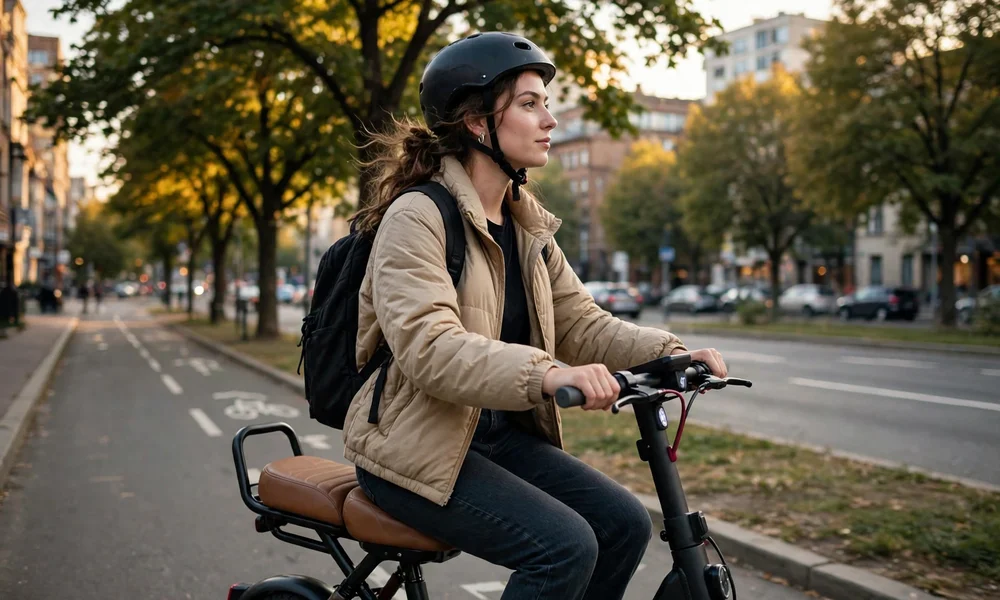
For most riders, the wide sprung saddle at number one is the right buy, ideally paired with a suspension post if your roads are rough. It is not the lightest or the prettiest seat here, but it is the one you will still be happy with after a year of daily commuting. Buy for your actual journey, and the seat will turn your scooter into the vehicle you reach for every morning.


