Every yacht buyer now faces the same question: diesel or electric? Diesel has powered yachts for a century, and it still does most of the work on the water. Electric propulsion has gone from a harbour curiosity to a serious option in just a few years, and on some boats it is now the better choice. The honest answer is that neither wins outright. The right one depends on how big your boat is, how far you sail, and where you can charge.
This comparison puts diesel and electric head to head on the factors that actually decide the choice: range, speed, running cost, purchase price, maintenance, comfort, emissions, refuelling, and resale. A hybrid sits in the middle of most of these factors.
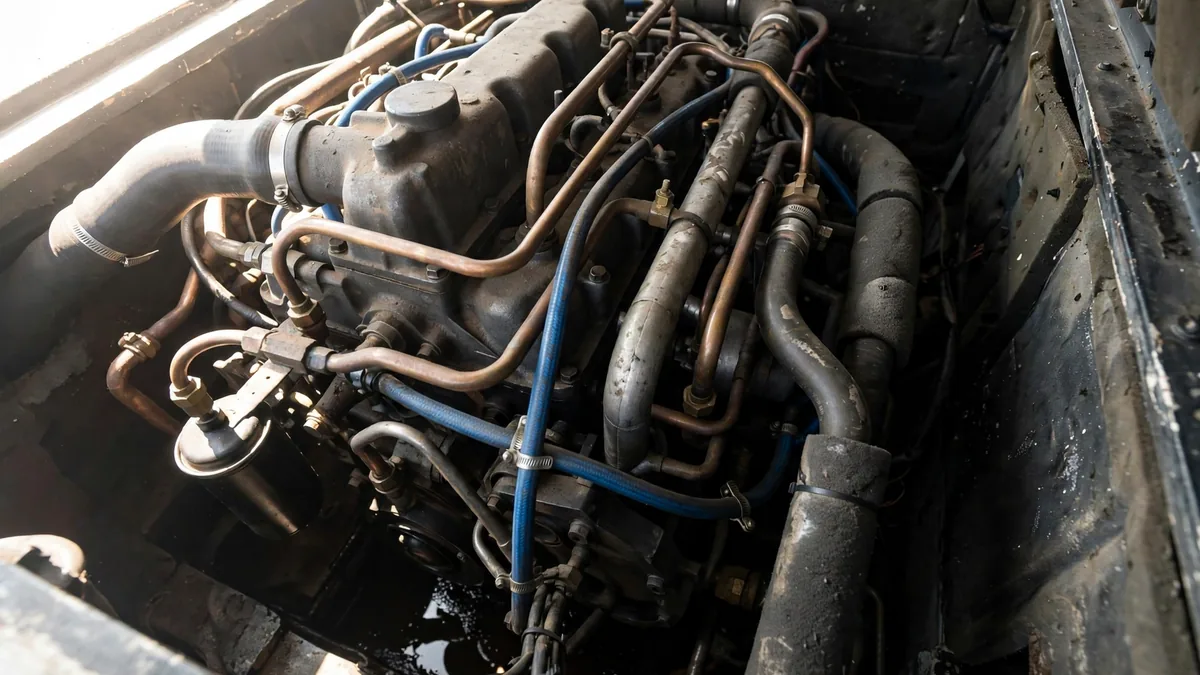
Range: diesel wins by a wide margin
Range is the biggest gap between the two. Diesel fuel packs far more energy per litre than any battery, so a 30-foot diesel cruiser with an 80 to 120-gallon tank will travel 180 to 300 nautical miles, while a comparable electric day cruiser manages 20 to 45 nautical miles at cruising speed. Most fully electric yachts in the 30 to 50-foot class deliver 30 to 80 nautical miles on a charge. That is the main reason electric still suits day boats better than long passages.
Speed: diesel wins, but the gap is closing
A diesel cruiser of 30 feet will typically cruise at 22 to 30 knots and top out at 35 to 45 knots. An electric boat of the same size cruises at 8 to 15 knots and tops out at 20 to 30 knots, with the fastest electric boats reaching 40 knots and beyond. Electric motors deliver instant torque, so an electric boat accelerates hard from a standstill. For a day boat that cruises at 20 knots, electric is already fast enough. For a boat that must cover distance quickly, diesel still wins.
Running costs: electric wins clearly
Electric is much cheaper to run. A 30-foot electric cruiser costs roughly 8 to 15 dollars per hour in electricity, against 45 to 75 dollars per hour in fuel for a comparable petrol or diesel boat. Over five years, one comparison puts electric fuel and energy costs at around 5,500 dollars against 30,000 dollars for a conventional boat. The gap grows with use: for a boat that runs 200 or 300 hours a year, the advantage is hard to ignore.
Purchase price: diesel wins, for now
Electric yachts cost 20 to 40 percent more upfront than a comparable diesel boat. A representative 30-foot electric day cruiser costs 285,000 to 350,000 dollars, against 95,000 to 140,000 dollars for a conventional cruiser of the same size. The battery is the main reason, and a large lithium pack can add 15 to 25 percent to the price of a new build. Break-even typically takes five to eight years of regular use, and at low use it may never come. Today diesel is still the cheaper boat to buy.
Maintenance: electric wins easily
An electric motor has far fewer moving parts than a diesel engine: no fuel injectors, no oil filters, no exhaust system, no turbocharger. Annual maintenance on a 30-foot electric boat runs roughly 800 to 1,500 dollars, against 2,500 to 5,000 dollars for a conventional boat, and some analyses put the saving at up to 60 percent. Electric motors are rated for 10,000 hours or more of service life, against 1,500 to 3,000 hours for a typical petrol engine before a major rebuild. The one big risk is the battery: a pack replaced outside warranty can wipe out years of savings, so check the warranty before you buy.
Noise and comfort: electric wins outright
This is the factor that converts most sceptics. An electric yacht is near-silent under way, with no engine rumble, no exhaust smell, and no vibration through the hull. Dockside noise drops by roughly 30 decibels compared with a diesel, which changes the whole feel of a day on the water: you can talk normally, hear the water, and arrive without the smell of fuel on your clothes. At anchor, an electric boat with a solar roof can run its air conditioning, refrigeration, and entertainment without starting a generator.
Emissions: electric wins, with a caveat
Charged from a clean grid or from onboard solar, it is far cleaner than diesel. Charged from a diesel generator, much of the benefit disappears, which is why the hybrid middle ground matters: a diesel-electric hybrid can cut fuel consumption by up to 30 percent compared with a conventional diesel, and it can run silently on battery in harbour and at anchor.
Refuelling and charging: diesel wins on convenience
You can refuel a diesel yacht almost anywhere in the world in minutes, and every harbour has fuel. Charging is a different story. A 150 kWh battery takes hours to recharge from a standard marina supply, and fast chargers are still rare on the water. Some boats can recharge from 20 to 80 percent in 50 to 90 minutes on a fast charger, but that assumes the charger exists where you are. For a day boat that returns to the same berth every night, charging is easy: plug in and forget it. For a cruising boat moving between unfamiliar harbours, diesel’s fuel network is still unbeatable.
Resale: diesel wins for now
Diesel yachts have a deep, well-understood used market, and buyers know what they are getting. Electric yachts are newer, fewer, and harder to value, and buyers worry about battery age and replacement cost, which pushes resale values down. That said, the best electric boats hold their value well, and as batteries prove themselves over ten years of service, the gap should narrow. For now, if you plan to sell within a few years, diesel is the safer bet. If you plan to keep the boat for a decade, resale matters less than running costs.

Verdict: buy for how you actually sail
Choose electric if your boat is under 50 feet, you sail mostly in a day from a home berth, you can charge overnight, and you value silence and low running costs. The numbers work: lower fuel and maintenance bills, a quieter boat, and a purchase premium that pays back in five to eight years of regular use. Choose diesel if you need long range, cruise between unfamiliar harbours, run at high speed for hours, or plan to sell soon. Diesel’s range and refuelling network are still unmatched. For yachts over 60 feet, the hybrid is the practical answer today: silent electric running in harbour and at anchor, with diesel range when you need it. The systems behind the electric side are explained in our guide to how electric boat propulsion works, the hybrid middle ground is compared in our look at diesel versus hybrid ship propulsion, and our case for why superyachts should go hybrid first is worth reading before you decide.

The gap between diesel and electric is closing every year as batteries get cheaper and denser. For the day boat that most owners actually use, electric has already won on comfort and running costs. Buy for the sailing you do, not the sailing you imagine, and the choice becomes simple.


