A delivery van is usually the hardest-working, least glamorous vehicle on the road, a rattling box that spends its life stopping and starting through city traffic. A luxury electric van is a different animal. It carries the same load, but it does so in silence, with a smooth ride, a comfortable cabin and a dashboard that looks like it belongs in a premium car. For the driver who spends eight hours a day behind the wheel, that difference is not a luxury at all; it is the whole job, made bearable.
Under the floor sits a large battery, at the back sits a motor that never needs a gear change, and between them sits a control system that recovers energy every time the van slows down. There is no exhaust, no clutch, no gearbox and almost nothing to service. Here is how a luxury electric van works, from the battery under the floor to the parcels in the back.
How It Works
Step 1: The battery powers everything from under the floor
The battery is a flat pack of lithium cells that fills the space between the axles, under the cargo floor. It holds 70 to 110 kilowatt-hours, enough for 250 to 350 kilometres of city driving, and its flat shape keeps the centre of gravity low, which makes the van stable even when it is fully loaded. A cooling system circulates liquid through the pack to keep the cells at their best temperature, and a management board watches every cell, balancing the charge and protecting the pack from overcharging. Because the battery lives under the floor, the cargo area stays completely flat and unobstructed, with no engine hump and no fuel tank eating into the load space.
Step 2: The motor drives the wheels without gears
A single electric motor, mounted on the front or rear axle, drives the wheels through a simple reduction gear, with no gearbox and no clutch at all. The motor makes its full torque from a standstill, which is exactly what a loaded van needs when it pulls away from a kerb or climbs a steep ramp into a car park. Acceleration is smooth and silent, with none of the lurching that comes from a diesel van changing gear in traffic. The motor has only one moving part, the rotor, so there is almost nothing to wear out, and it is sealed against dust and water for a life of daily work in all weathers.
Step 3: The controller manages power and range
Between the battery and the motor sits the controller, a box of electronics that decides how much power the motor gets and how the van uses its energy. It reads the accelerator pedal, the speed and the battery level, and it smooths the power delivery so a full load does not lurch when the driver pulls away. It also runs the heating, the air conditioning and the cabin systems from the same battery, and it can be set to an eco mode that trims the climate control and softens the acceleration to stretch the range on a long day. The way a luxury electric car works uses the same kind of controller, managing a smaller battery and motor with the same careful attention to range and smoothness.
Step 4: Regenerative braking recovers energy at every stop
A delivery van stops more often than almost any other vehicle, and every stop is a chance to recover energy. When the driver lifts off the accelerator or touches the brake, the motor reverses its role and becomes a generator, turning the van’s motion back into electricity and feeding it into the battery. In stop-start city traffic this can recover a tenth or more of the energy used, which adds real kilometres to the day’s range. It also means the friction brakes do far less work, so the brake pads last far longer than they would on a diesel van. The way a luxury electric SUV works uses the same regenerative trick, though a van benefits even more, because it stops so often.
Step 5: The cabin and cargo area are built for a working day
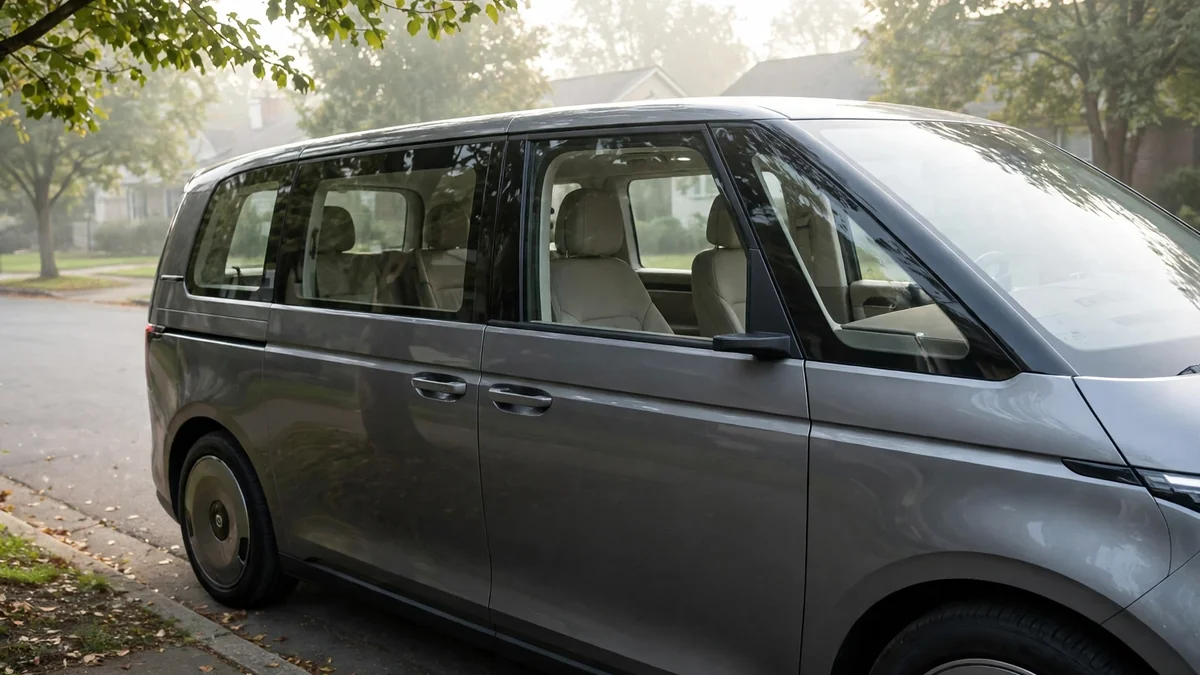
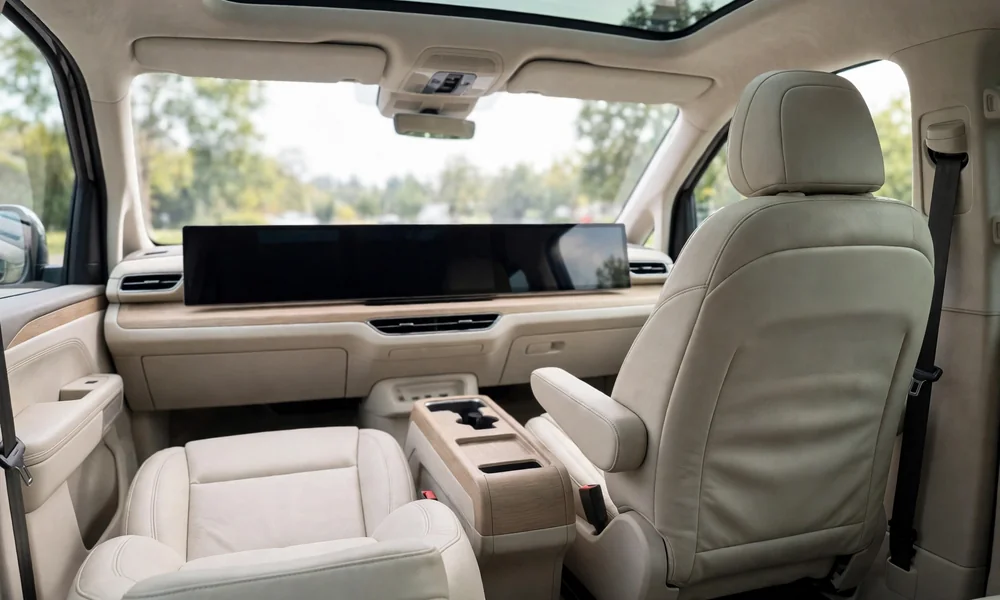
The cabin of a luxury electric van is designed for someone who lives in it. The seats are wide and supportive, with heating and lumbar adjustment, the dashboard is a large, clear display with navigation and delivery routing, and the cabin is insulated so well that the driver can hold a phone call at motorway speed. The cargo area is lined with tough, washable panels, fitted with tie-down rails and LED lighting, and the sliding side door and rear doors are wide enough for a pallet or a tall parcel. The way a luxury hybrid car works shows the same focus on the cabin, with quiet insulation and a clear display, though a van’s cabin has to survive muddy boots, wet parcels and a thermos of coffee as well.
Step 6: Charging fits around the working day
A luxury electric van charges overnight at the depot, where a wall charger refills the battery in six to eight hours, ready for the morning’s routes. On a longer day the driver can top up at a public fast charger, adding a useful amount of range in the time it takes to drink a coffee and eat lunch. The van’s software plans the charging around the cheapest electricity hours, pre-heats or pre-cools the cabin while it is still plugged in, and tells the fleet manager exactly how much range each van has left, so no driver is ever sent out on a route the battery cannot finish.

Electric Van Specifications
| Specification | Typical Luxury Electric Van |
|---|---|
| Motor | Single electric motor, 130 to 200 kilowatts |
| Battery | Lithium-ion, 70 to 110 kilowatt-hours |
| Range | 250 to 350 kilometres per charge |
| Payload | 900 to 1,300 kilograms |
| Cargo volume | 6 to 11 cubic metres |
| Charging time | 6 to 8 hours overnight, 30 to 45 minutes fast |
| Top speed | 130 to 160 kilometres per hour |
The Price
A luxury electric van costs an estimated $45,000 to $70,000, depending on its size, battery and interior. That is more than a diesel van to buy, but far less to run: electricity costs a fraction of diesel, servicing is mostly tyres and brakes, and the motor needs no oil, no exhaust and no gearbox work. For a van that drives 40,000 kilometres a year, the fuel saving alone can repay the premium within a few years.
A Rare Fact
Some luxury electric vans can power the tools at a work site. With a special outlet in the cargo area, the van’s big battery can run drills, lights and even a small fridge for hours, turning the van into a mobile power station for builders, caterers and film crews who work far from a plug socket.
For the driver, the best thing about an electric van is the end of the day. There is no diesel smell on the clothes, no ringing in the ears, and no vibration in the hands after hours at the wheel. The van is simply quiet, smooth and ready to do it all again tomorrow, which is more than most working vehicles can say.
A luxury electric van proves that a working vehicle can be a pleasant one. Its battery sits flat under the floor, its motor drives the wheels without a single gear change, its brakes recover energy at every stop, and its cabin is built for a person who spends the whole day inside it. It hauls the same load as any van, only quieter, cleaner and cheaper to run.