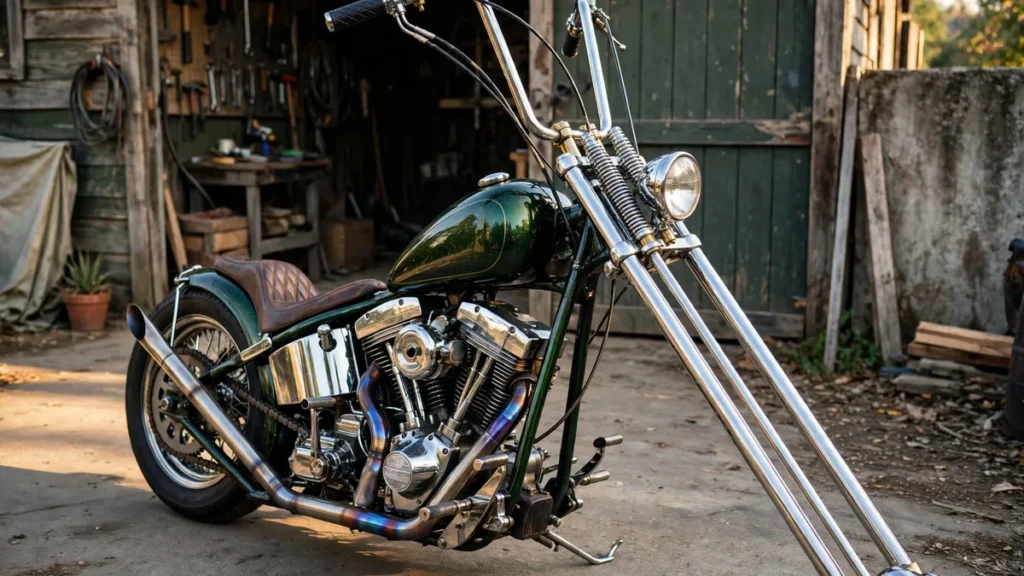
In a small workshop on the edge of an Italian town, a motorcycle frame hangs from a stand like a sculpture that has not yet learned to move. There is no production line noise here, no river of identical machines. One builder circles the frame slowly, checking a weld by hand, while another polishes a fuel tank until the paint shows his own reflection. The bike will take weeks to finish, and when it is done it will carry a price that buys a small car.
That is the world of the luxury motorcycle, where a machine is built more like a piece of furniture than a vehicle. Every part is chosen, fitted and finished by people who expect the owner to notice the details. This is how a luxury motorcycle is made, from raw metal to the first ride.
Step 1: The frame is built by hand
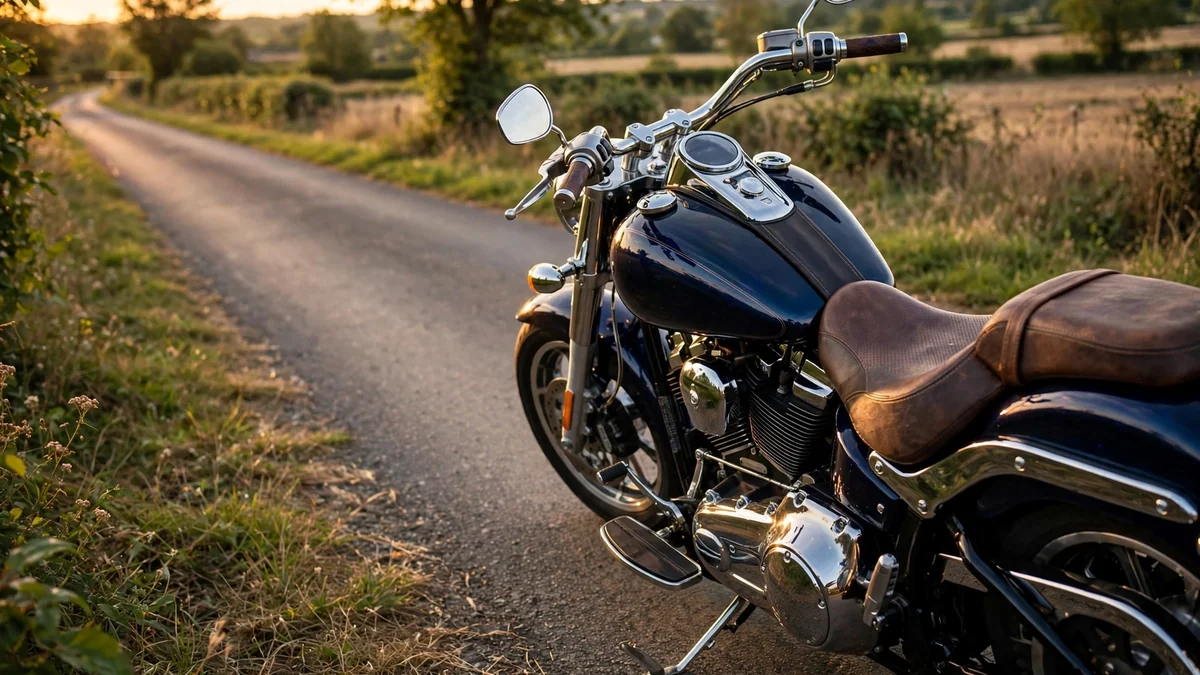
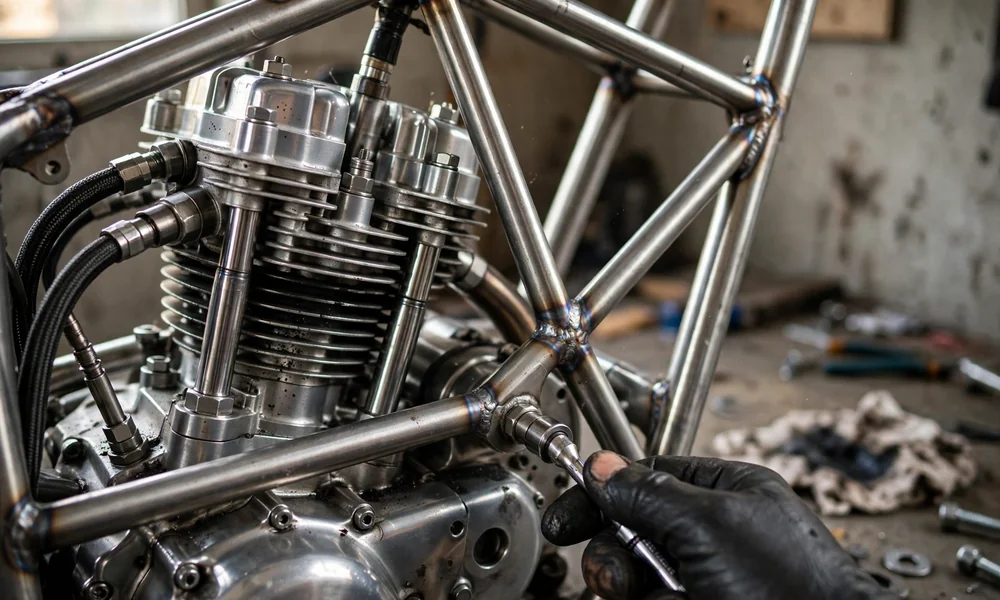
Everything begins with the frame, the skeleton that holds the engine, the wheels and the rider together. On a luxury motorcycle the frame is usually made from steel tubes or a single cast aluminium piece, cut and shaped in small batches rather than stamped out by the thousand. A steel trellis frame is welded tube by tube, each joint checked by eye and by hand, because a weld that looks right usually is right.
Once the tubes are joined, the frame is measured against a jig, a heavy steel table that holds every mounting point exactly where the design says it should be. If a bracket sits a millimetre out of place, the frame goes back for correction. A luxury frame is not simply strong; it is straight, balanced and true, so the bike steers the same way leaning left as it does leaning right.
Step 2: The engine is assembled like a watch
The engine is the heart of the machine, and on a luxury motorcycle it is assembled by a single technician who signs the finished unit. The crankshaft, the pistons and the cylinder head arrive as machined parts, and the builder fits them one by one, measuring the clearances between moving parts with feeler gauges thinner than a human hair.
A large V-twin or a four-cylinder engine can take a full day to assemble, and much of that time is spent checking rather than bolting. The valves are adjusted so precisely that the engine idles with a slow, even beat instead of a rough rattle, and the whole unit is run on a test bench before it ever meets the frame. It is the same obsession with a hand-built engine that defines a hypercar V12 engine, where the builder’s name matters as much as the badge on the tank.
Step 3: The bodywork is shaped and painted
While the engine is being built, the fuel tank, the fairing and the mudguards are taking shape in another corner of the workshop. On the most exclusive machines the tank is beaten from a single sheet of aluminium over a wooden form, a craft called panel beating that takes years to learn and cannot be rushed by any machine.
Painting is a ritual of its own. The bodywork is sanded, primed, painted and polished in layer after layer, sometimes taking a week for a single tank. A deep candy red or a hand-applied pinstripe is laid down by a painter who has done the same job for decades, and the clear coat is polished until the surface looks a centimetre deep. This is the finish the owner sees first, and the maker knows it.
Step 4: The suspension and brakes are fitted
A luxury motorcycle needs suspension that can read the road the way a good rider reads it. The front forks and the rear shock are usually fully adjustable units, built by specialist makers and set up for the weight of the bike and its rider. Each one is filled with oil, pressurised and tested before fitting, because a suspension unit that fades on a long ride ruins the whole machine.
The brakes are just as serious. Twin discs at the front, gripped by multi-piston calipers, give the stopping power of a small car on a machine a quarter of the weight. The brake lines are braided steel rather than rubber, so the lever feels exactly the same on the last stop of the day as it did on the first.
Step 5: The wiring, electronics and seat come together
With the mechanical parts in place, the bike is wired. A luxury motorcycle carries a surprising amount of electronics: ride modes, traction control, cornering brakes, a quick-shifter and a colour display, all connected by a wiring loom that is routed and tied by hand so that nothing chafes or rattles. The loom is wrapped, clipped and hidden, because a wire hanging loose is a failure of craft as much as of engineering.
Electric luxury motorcycles borrow the mid-drive motor layout, placing the motor low and central so the bike keeps its balance, and even petrol bikes now hide sensors and control units inside the frame where the owner never sees them. Then comes the seat, stitched by hand from leather that has been cut, shaped and sewn to fit one frame. The stitching is straight, the foam is firm, and the seat is the part of the bike the rider touches on every single ride.
Step 6: Testing, tuning and the first ride
Before any customer sees the bike, it is ridden. A test rider takes the finished machine through its gears on a rolling road and then on real roads, listening for vibrations, checking the brakes and feeling for anything that is not quite right. If the engine hesitates or the suspension feels harsh, the bike comes back to the bench and the fault is found.
The final step is a full inspection under bright light. Every bolt is checked, every surface is polished once more, and the bike is photographed for its build record.
The spec sheet at a glance
| Specification | Typical luxury figure |
|---|---|
| Engine | 1,200 to 1,300 cc V-twin or four-cylinder |
| Power | 150 to 210 horsepower |
| Torque | 120 to 150 Nm |
| Frame | Steel trellis or cast aluminium |
| Weight | 200 to 240 kilograms dry |
| Top speed | 240 to 300 kilometres an hour |
| Fuel tank | 16 to 18 litres, hand-shaped aluminium |
| Brakes | Twin front discs, multi-piston calipers |
| Suspension | Fully adjustable front and rear |
| Seat | Hand-stitched leather |
| Electronics | Ride modes, traction control, quick-shifter |
| Build time | Two to six weeks per machine |
What she costs, and a rare fact
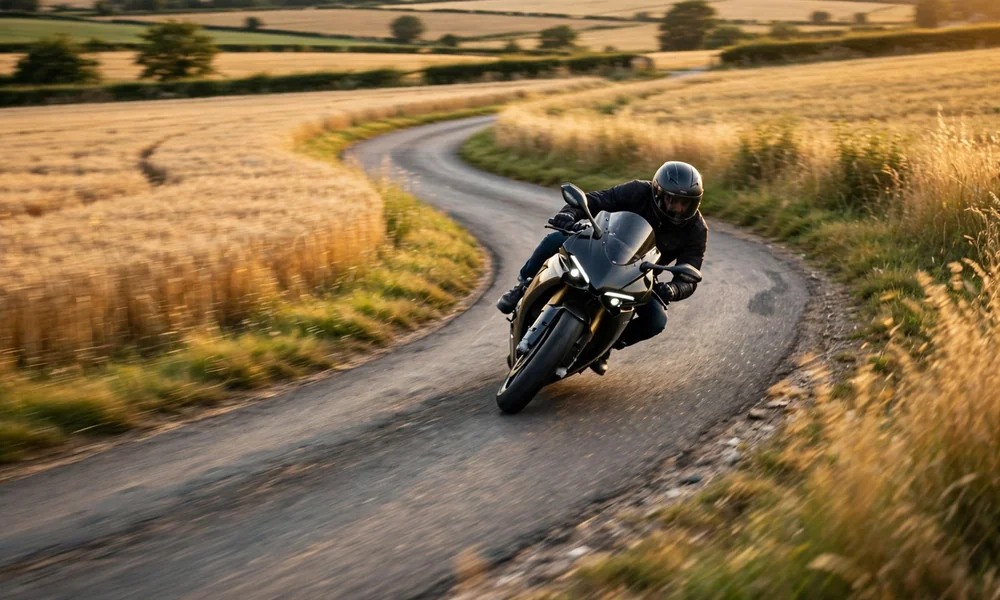
A luxury motorcycle costs an estimated $25,000 to $70,000, depending on the engine, the materials and the maker, with limited hand-built editions costing far more. For a sense of which makers earn that price at the electric end of the market, the best electric motorcycle brands ranking compares the names leading the luxury field.
Here is the rare fact the spec sheet never mentions. Some luxury motorcycle makers still beat their fuel tanks by hand over wooden forms, and a single tank can take a craftsman a full week to shape, which is why no two hand-built tanks are ever exactly alike. The machine may be modern, but the skill that shapes its most visible part is older than the motorcycle itself.