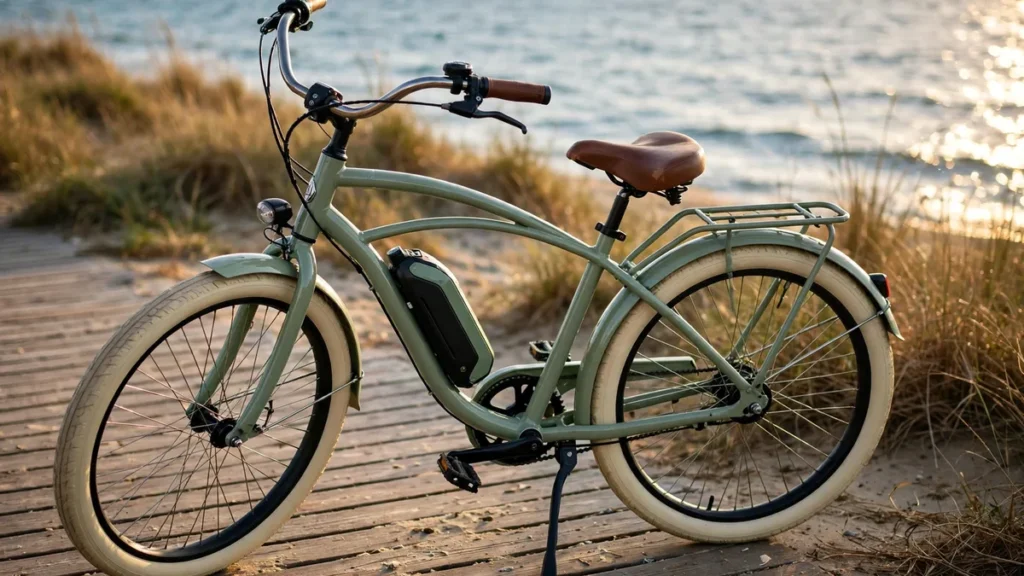
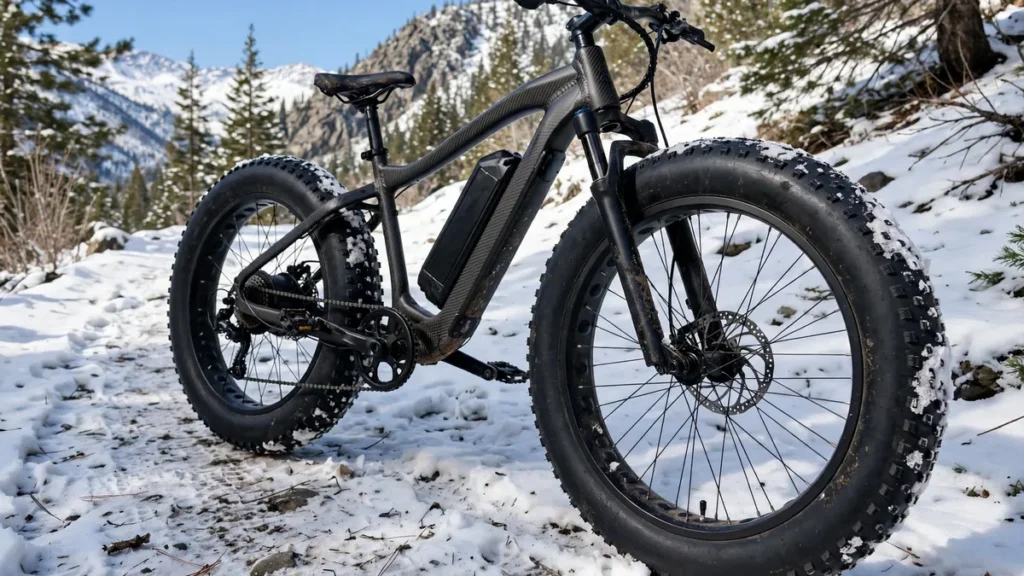
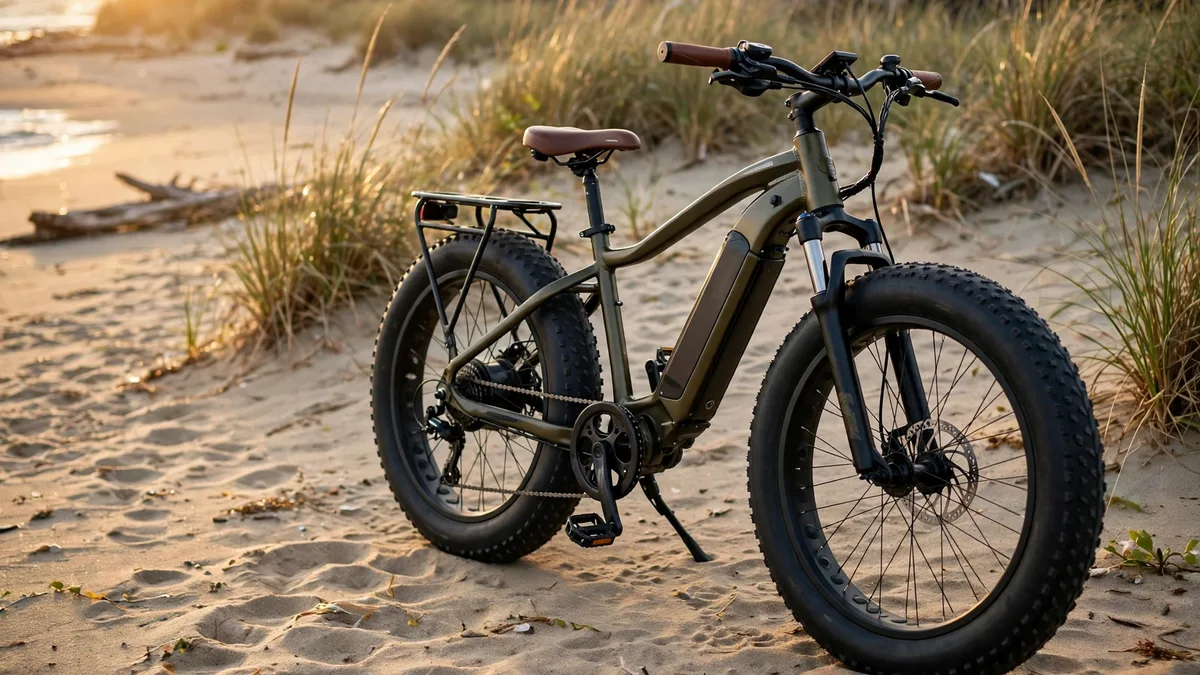
The first thing you notice about a luxury electric fat bike is not the motor or the battery. It is the tyres. They are enormous, four or five inches wide, soft-looking and slightly comical, like something borrowed from a beach buggy and bolted onto a bicycle frame. Then you watch the rider roll over wet sand, loose gravel and a muddy track without wobbling, without slipping and without ever putting a foot down, and the joke stops being funny. The tyres are the whole point. They spread the weight of bike and rider across a wide patch of ground, so the machine floats over surfaces where a normal bicycle would sink, skid or stop dead.
Add a powerful electric motor and a large battery to that floating platform and you get a machine that feels less like a bicycle and more like a small, silent all-terrain vehicle. Luxury versions take the idea further still, with hand-built frames, suspension that actually works, brakes borrowed from motorcycles and finishes that belong on a showroom floor. This article explains what the numbers on the specification sheet really mean, in plain language, so you can tell a genuinely capable fat bike from an expensive toy.
The Specification Sheet, Translated
A fat bike specification sheet is full of figures that sound impressive and mean very little until you know what they do on the ground. Motor power tells you how hard the bike can push. Battery capacity tells you how long it can keep pushing. Torque tells you how quickly it gets moving. Tyre width, frame material and weight decide where it can go and how it feels when it gets there. The table below gathers the figures you will see on a top-end luxury model, with a plain explanation of each one.
| Specification | Typical luxury figure | What it means in plain language |
|---|---|---|
| Motor power | 750 to 1,000 watts | How hard the motor can push. More watts means stronger help on hills and soft ground. |
| Torque | 120 to 160 newton-metres | Twisting force at the wheel. High torque means the bike pulls away smartly from a standstill, even in sand. |
| Battery capacity | 750 to 1,000 watt-hours | The size of the fuel tank. A bigger number means a longer ride before recharging. |
| Range | 60 to 110 kilometres | How far it goes on one charge. Soft sand and steep hills cut this figure sharply. |
| Tyre width | 4.0 to 5.0 inches | The width of the rubber. Wider tyres float better and grip more, but roll more slowly on tarmac. |
| Top assisted speed | 25 to 45 kilometres per hour | The fastest the motor will help you go. Local law decides the legal limit, not the bike. |
| Weight | 28 to 36 kilograms | How heavy the bike is to lift and carry. Fat tyres, big batteries and strong frames all add kilos. |
| Frame material | Aluminium or carbon fibre | What the frame is made from. Carbon fibre saves weight and soaks up vibration; aluminium costs less. |
Why Torque Matters More Than Watts
Shoppers fixate on watts because the number is big and easy to compare, but on a fat bike torque is the figure that decides whether the ride feels effortless or strained. Torque is the twisting force the motor applies to the rear wheel, and it is what drags a heavy bike out of deep sand or up a steep, loose slope from a standing start. A motor rated at 750 watts with 160 newton-metres of torque will feel stronger in the real world than a 1,000-watt motor with only 80 newton-metres, because the first one pushes harder at low speed, exactly where a fat bike needs help most. Watts describe the motor’s top output; torque describes its muscle at the moment you ask for it.

The Battery Is the Real Price Tag
The battery is the single most expensive part of any electric fat bike, and its size shapes everything else. A 750 to 1,000 watt-hour pack on a luxury model is roughly twice the size of the battery on a typical city e-bike, and for good reason: pushing wide tyres through sand and mud takes far more energy than rolling thin tyres along a cycle path. Manufacturers quote range figures measured on flat ground at a gentle pace, so treat the headline number with suspicion. In soft conditions, with the motor working hard and the rider asking for full assistance, the real range can fall to half the quoted figure or less.
What you are paying for with a bigger battery is not just distance but confidence. A rider exploring a remote beach or a forest trail does not want to calculate the last ten kilometres home with a dead battery and a 35-kilogram bike to pedal unassisted. Luxury builders also protect the battery better, sealing it against water and dust, mounting it low in the frame for balance, and using cells that hold their capacity after hundreds of charges. A cheap pack fades after two seasons; a good one still delivers most of its original range after years of use. If you ride far from help, the battery is where the money should go.
Tyres, Pressure and the Floating Trick
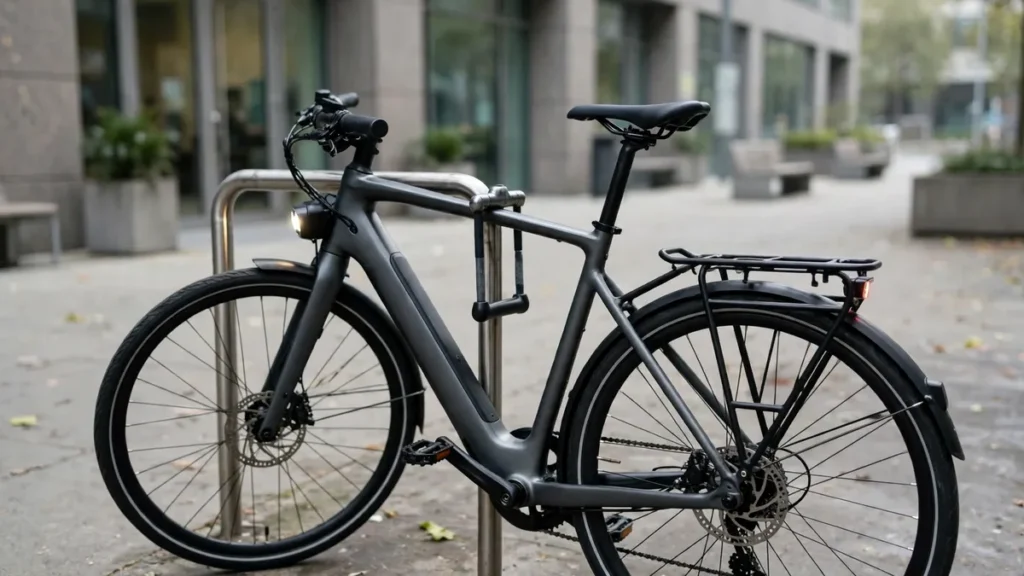
Luxury models add tubeless tyres, which seal themselves against small punctures and let riders run even lower pressures without pinching an inner tube, plus rims drilled to save weight and tread patterns tuned for different ground. A beach tyre has shallow, widely spaced knobs that shed sand; a snow tyre has deeper, sharper knobs that bite into ice. The carbon-fibre bicycle shows how much frame and material choice can change a ride, and the same lesson applies here: the tyre is part of the suspension, part of the grip and part of the comfort, all at once.
What a Luxury Fat Bike Costs
A top-end luxury electric fat bike typically costs an estimated $6,000 to $12,000, with the most exclusive hand-built models reaching further. That estimate covers the motor and battery, which together can account for half the price, a frame built from aluminium or carbon fibre, hydraulic disc brakes, a wide-range drivetrain and suspension forks that cost as much as a whole mid-range bicycle. The price also buys small-batch craftsmanship: frames welded or laid up by hand, components chosen individually rather than bought as a kit, and a finish that survives salt spray and mud without looking tired after one winter.
Whether that money is well spent depends on where you ride. For a commuter on tarmac, a fat bike is the wrong tool, heavy and slow for no benefit. For a rider who lives near beaches, snow, desert tracks or muddy woodland, it is the only bicycle that turns those places into a playground in every season. The electric cargo bike makes a similar trade, swapping speed for carrying ability, while the electric folding bike trades capability for convenience. The fat bike trades speed for grip, and for the right rider that is a fair exchange.
A Rare Fact Worth Knowing
Here is a fact that surprises even experienced cyclists: the first fat bikes were not built for luxury or for leisure at all. They were cobbled together in the 1980s and 1990s by riders in Alaska and New Mexico who welded two rims together to make a wide wheel, simply so they could keep riding through snow and desert sand in winter. The luxury fat bikes of today, with their silent motors and carbon frames, are the polished descendants of those garage experiments, and they still carry the same idea: when the ground gets difficult, make the tyre wider, not the engine bigger.