The pickup on the dealer lot did not look like a work truck. It sat low and wide, the paint deep and mirror-smooth, the grille a slab of polished metal, the interior smelling of leather and cut wood. The salesman opened the door and the step dropped down on its own, like a small courtesy. Then he pointed at the badge on the side, and at a towing figure that sounded like a misprint. The specification sheet explained both, but only if you knew which numbers were honest and which were theatre.
A luxury pickup is not a normal truck with a nicer cabin. It is a work machine dressed for a boardroom, and every part of it is pushed further: an engine that pulls like a freight train, a frame that carries a house worth of weight, a cabin as quiet as a saloon car, and a bed that still does a day’s work. The specification sheet is the honest record of those choices, and the numbers that matter are rarely the biggest ones. This guide walks through the engine, the towing, the chassis, the cabin and the build, and shows which figures deserve your attention.
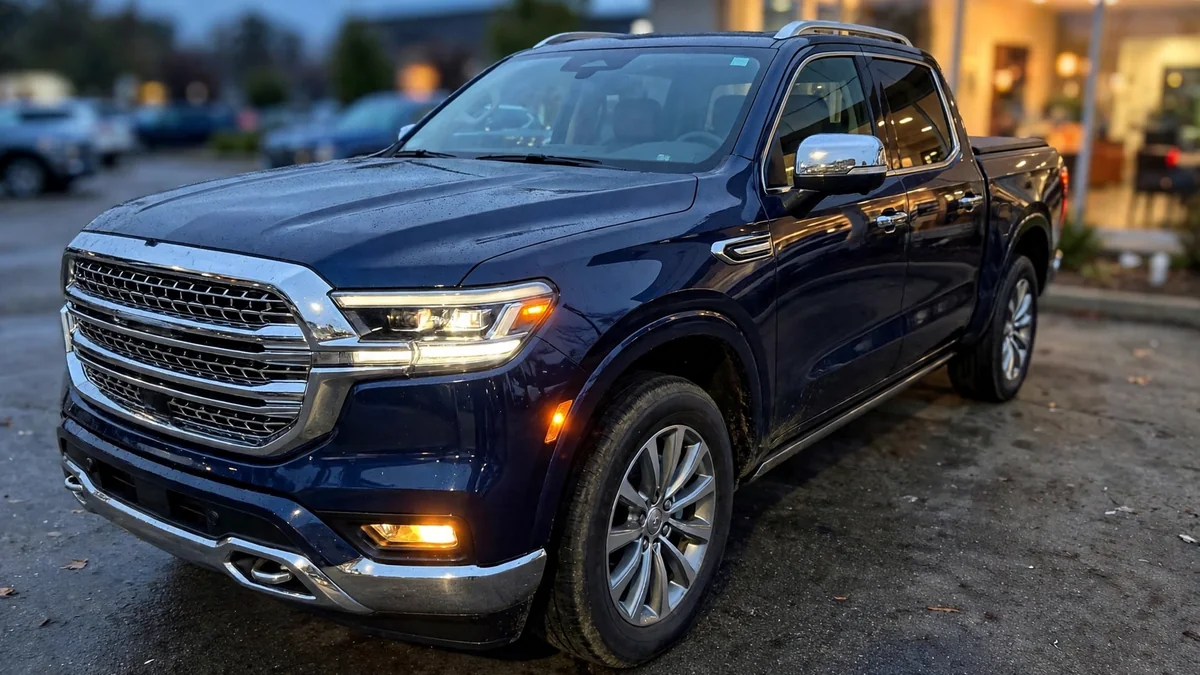
The Engine: Torque Is the Real Number
The headline number is usually horsepower, and it is the least useful one on the sheet. A luxury pickup makes 400 to 450 horsepower, but the number that decides how it feels is torque: 500 to 700 pound-feet, arriving low in the rev range, which is what shoves a loaded trailer up a hill without the engine screaming. Torque is the twist that moves weight, and a big diesel or a twin-turbo petrol engine makes it from barely above idle, so the truck feels effortless where a smaller engine would be working hard.
The engine choice changes the character of the truck. A twin-turbo petrol engine is quieter and quicker when the truck is empty, and it suits a pickup that spends more time on the motorway than on a building site. The newest luxury pickups also offer a hybrid, which fills in the gaps in the torque curve with an electric motor and makes the truck feel even stronger at low speed.
Towing and Payload: The Numbers With Rules
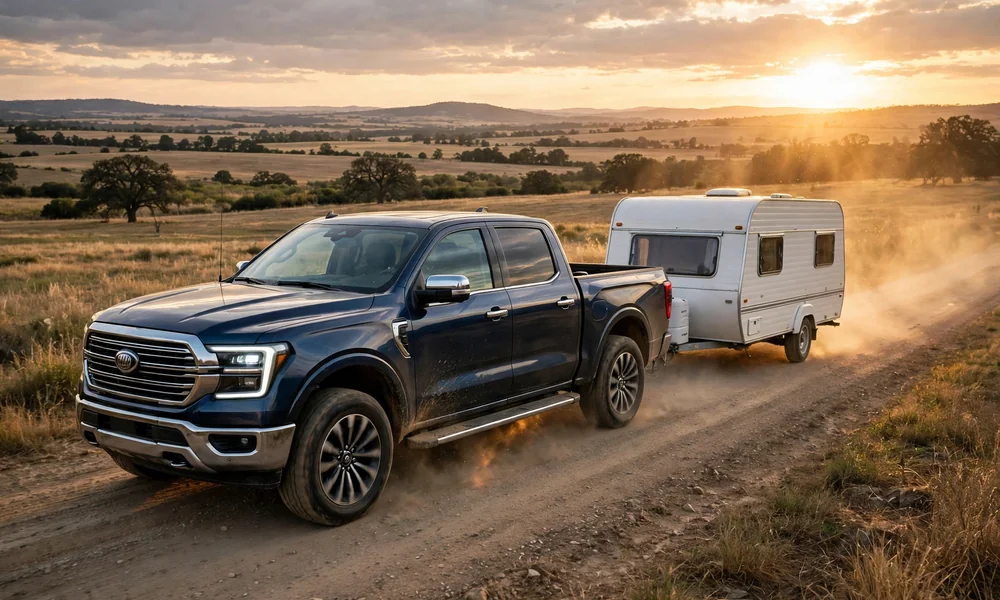
Towing capacity is the figure every buyer reads first, and it is also the most misunderstood. A luxury pickup is rated to tow 11,000 to 14,000 pounds, but that figure assumes a perfectly balanced trailer, a weight-distributing hitch, and a driver who knows what they are doing. The number that matters in real life is the payload, the weight the truck itself can carry, usually 1,500 to 2,000 pounds, because the trailer’s tongue weight, the passengers, and the luggage all come out of that same allowance.
A trailer brake controller, a reversing camera that shows the hitch, blind-spot monitoring that stretches to cover the trailer, and a system that steadies the trailer if it starts to sway are all standard at this level. The electric cousin of this truck makes the same numbers in a different way, and how a luxury electric pickup works shows how instant electric torque changes towing, charging and range.

Chassis and Suspension: The Quiet Engineering
Underneath, a luxury pickup rides on a fully boxed steel frame, which is stiffer and stronger than the open frame of a cheaper truck, and it is what lets the cabin stay quiet and the body stay straight when the bed is loaded. The suspension is the clever part: coil springs or air suspension at the rear, instead of the leaf springs of a work truck, so the ride is smooth when the truck is empty and firm when it is loaded. Some models lower themselves at motorway speed to save fuel, and raise themselves for rough ground.
The four-wheel-drive system is worth reading closely. A luxury pickup offers several modes, from rear-wheel drive for the motorway to low-range gearing for mud and rock, and the best systems switch between them without the driver thinking about it. The craft of building such a truck is shown in how a luxury electric pickup is made, which follows the frame, the battery and the cabin from the factory floor to the finished truck.
Cabin and Trim: A Saloon Car in a Work Shirt
The cabin is where the luxury money is most visible. The seats are thick leather, heated and ventilated, with massage functions in the front, and the rear seats are wide enough for three adults to sit comfortably for hours. The dashboard is a wall of screens, usually a 12 inch central display and a digital instrument cluster, with a sound system tuned by a famous audio brand and enough speakers to fill the cabin like a small concert hall.
The quiet is engineered, not accidental. Acoustic glass, extra insulation in the doors and floor, and active noise cancelling through the speakers keep the cabin hushed at motorway speed, so a conversation at the back is as easy as one at the front. The price of all that engineering is explained in why a luxury electric truck is so expensive, which breaks down the battery, the motors and the low-volume tooling behind the cost.
The Numbers That Matter
| Specification | Typical luxury pickup |
|---|---|
| Power | 400 to 450 horsepower |
| Torque | 500 to 700 lb-ft, low in the rev range |
| Towing capacity | 11,000 to 14,000 pounds |
| Payload | 1,500 to 2,000 pounds |
| Frame | Fully boxed high-strength steel |
| Suspension | Air suspension, adaptive damping |
| Ground clearance | Around 10 inches; 30 inch wading depth |
| Cabin screens | 12 inch central display, digital cluster |
| Bed | 5.5 to 6.5 feet, spray-in liner, powered tailgate |
Read the sheet the way an owner would: start with the torque and the payload, not the horsepower and the maximum tow figure. A truck that is honest about its everyday numbers is usually honest about the rest of the machine. The payload is the figure that catches people out, because every option, every passenger and every bag comes out of it, and a truck that looks strong on paper can be surprisingly easy to overload.
Price, and What You Are Really Paying For
A luxury pickup costs around 70,000 to 120,000 dollars, and that is an estimate, not a list price, because prices vary by engine, by trim, and by the options the buyer adds. The difference from a work truck is not one part but all of them at once: the stronger engine, the stiffer frame, the air suspension, the quiet cabin, and the technology that makes towing feel easy. The engine and the frame are the two most expensive parts, and the cabin, with its leather and screens, is not far behind.
A Rare Fact Worth Knowing
Here is the detail that surprises almost everyone who looks underneath one for the first time. The frame is not simply welded together from flat steel. It is hydroformed, which means high-pressure fluid forces the steel into its shape inside a mould, so the frame has no weak seams and can be made in complex curves that a welded frame cannot match. The bed, meanwhile, is often made from a military-grade aluminium alloy, which is why it does not rust the way an old steel bed did. The truck on the lot is, in effect, a piece of heavy engineering dressed in leather, and the specification sheet is the only place the maker tells you exactly how far they went.