A luxury ship at the dock looks as if it is simply parked, but the quiet work of holding her there is done by numbers. Every mooring line, winch, bollard and fairlead on the ship has a rating, and those ratings are written down on the mooring specification sheet. The sheet looks dull at first glance, a list of breaking loads, pull forces and safe working loads, yet each figure is a promise about what the ship can survive on a bad night in port.
Mooring is the one system that has to hold the whole ship against wind, tide and the wash of passing traffic. The specification sheet is where the designers prove it can, recording how strong the lines are, how hard the winches can pull, and how much load each bollard can take.
This guide walks through the figures on a luxury ship mooring specification sheet and explains what each one means in plain language, so the next time you see a mooring arrangement listed in a brochure you will know what you are actually looking at.
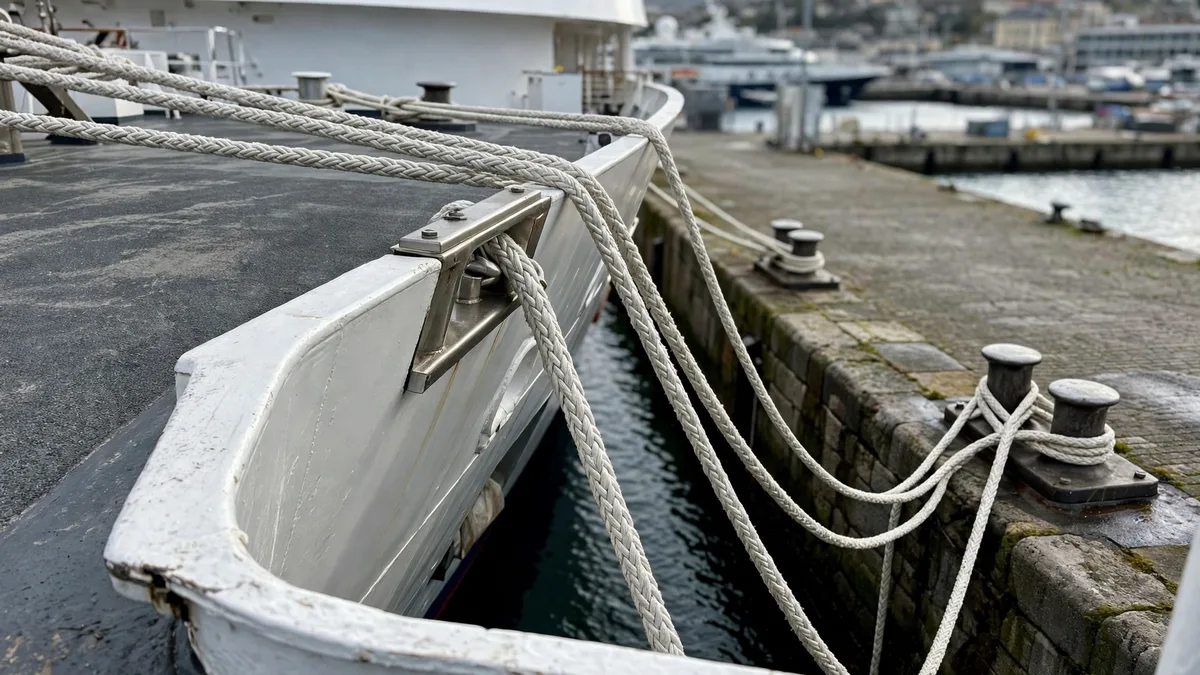
Luxury Ship Mooring Specs at a Glance
| Specification | Typical 50 m Ship | Typical 80 m Ship | Typical 120 m Ship |
|---|---|---|---|
| Mooring line diameter | 48–56 mm | 56–72 mm | 72–88 mm |
| Line breaking load | 45–60 tonnes | 60–90 tonnes | 90–130 tonnes |
| Winch pull, first layer | 12–18 tonnes | 18–28 tonnes | 28–40 tonnes |
| Winch brake holding load | 25–35 tonnes | 35–55 tonnes | 55–80 tonnes |
| Bollard safe working load | 30–50 tonnes | 50–80 tonnes | 80–120 tonnes |
| Number of mooring lines | 8–10 lines | 10–12 lines | 12–14 lines |
Breaking Load: How Strong the Lines Are
The first number most people look for is the breaking load of the mooring lines, the force at which a new line snaps in a test machine. On a 50 metre ship the lines usually break at 45 to 60 tonnes, and on a 120 metre ship they can reach 90 to 130 tonnes. Wind pressing on a tall superstructure can pull with tens of tonnes, and one line can take a large share of it when the others slacken for a moment.
Breaking load is not the load the crew are allowed to use. Ships work to a safety factor, usually keeping the working load below half the breaking load, and often below a third, to cover sun, chafe and the sudden snatch of a passing wave. The how luxury ship mooring works guide shows the lines in action, but the breaking load is what decides whether they survive the night.

Winch Pull and Brake Holding: The Muscle on Deck
The mooring winch does two different jobs, and the specification sheet lists a figure for each. Winch pull is the force the winch can exert while winding a line in, and it is quoted at the first layer of rope on the drum, where the leverage is greatest. A 50 metre ship typically manages 12 to 18 tonnes of pull, while a 120 metre ship reaches 28 to 40 tonnes.
Brake holding load is the second figure, and in some ways it matters more. Once the line is tight, the winch brake holds it, and the brake must hold far more than the winch can pull, typically 25 to 35 tonnes on a smaller ship and 55 to 80 tonnes on the largest. The brake is what stands between the ship and the dock in a storm, and it works with no power at all, which is exactly the point.
Bollards and Fairleads: The Quiet Limits
Every line ends at a bollard, the steel post on the quay or on the ship’s deck that the rope is turned around, and every bollard has a safe working load of its own. The figures run from 30 to 50 tonnes on a 50 metre ship to 80 to 120 tonnes on a 120 metre ship, and they are the quiet limit in the whole system. A line rated to 100 tonnes is no help if it is tied to a bollard rated to 40, and experienced crews check the bollard rating before they trust the line.
Fairleads matter just as much, though they carry no load rating of their own. A fairlead is the smooth steel guide that leads a rope from deck to dock without chafing it, and its size decides how much the rope bends. A tight bend weakens a rope, so the sheet lists the fairlead diameter and the angle of the lead. The luxury ship stern specifications cover the deck fittings at the back of the ship, and the mooring figures are the part of that picture the crew rely on most.
Windage and the Number of Lines
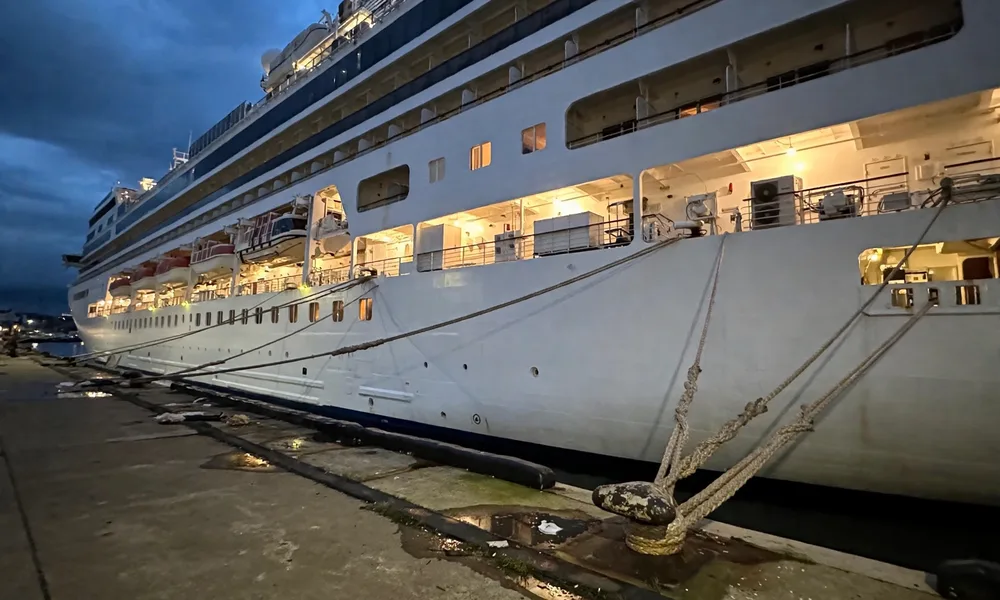
The sheet also records the number of mooring lines, usually 8 to 10 on a 50 metre ship and 12 to 14 on a 120 metre ship, and that number is tied to windage, the area of the ship the wind can push against. A luxury ship is a tall white wall above the waterline, and a strong wind on that wall pulls with surprising force. The designers calculate the worst wind the ship is expected to ride out in port, then divide that force across the lines so no single line carries more than its share.
The specification sheet lists the pattern alongside the numbers, because a strong line in the wrong place is almost as useless as a weak one. The luxury ship helm specifications describe how the ship is steered at sea, but at the dock it is the mooring pattern that does the steering.
A Rare Fact About Mooring Lines
Here is a detail that surprises people who have never handled a mooring line. Modern luxury ships increasingly use lines made from synthetic fibres that float, stretch far more than steel wire, and are lighter than the natural fibre ropes they replaced, yet a single one can hold the weight of several dozen cars. The stretch is the secret. A line that lengthens under load acts like a spring, smoothing out the snatch of a gust instead of passing it to the bollard. The trade-off is that a parted synthetic line recoils with frightening speed, which is why the crew stand well clear of a taut one.
What the Specs Mean for You
If you are buying, chartering or simply touring a luxury ship, the mooring specification sheet tells you how the ship will behave on a rough night in port. Lines with a generous breaking load, winches whose brakes hold far more than they can pull, and bollards rated to match the lines all point to a ship built by people who expect bad weather and planned for it. That is the ship you want to be aboard when the wind gets up.
If the numbers are vague, or the brake holding load is barely above the winch pull, ask questions. Mooring is not glamorous, but it keeps a thousand tonnes of ship where it belongs while everyone aboard sleeps. A good mooring specification is quiet, conservative and strong, and you can read all three in the figures before you ever step aboard.


