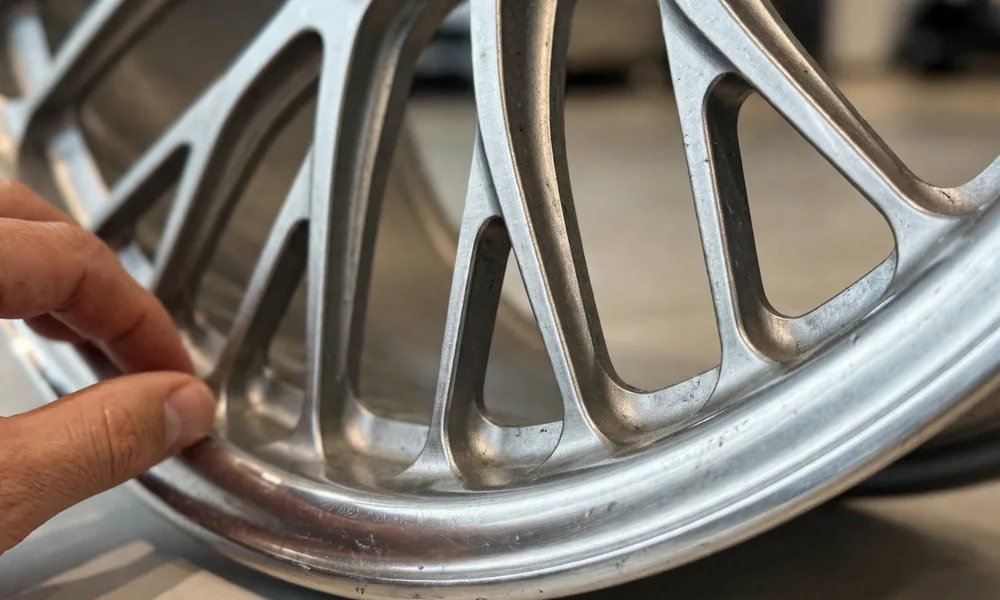
He lifted the wheel with one hand and laughed. It was a full-size wheel for a hypercar, and it weighed less than the suitcase he had carried into the workshop that morning. He turned it over, expecting to find it hollow or flimsy, and instead found a piece of engineering so finely made that the spokes looked carved rather than cast. Then he heard the price, per wheel, and stopped laughing. A set of four cost more than a good used car. He bought them anyway, and on the first drive he understood why.
Magnesium is the lightest structural metal in common use, about a third lighter than aluminium, and a wheel made from it can transform how a car drives. But making a magnesium wheel is one of the hardest jobs in the automotive world. The metal is difficult to work with, dangerous to handle, and unforgiving of mistakes, and only a handful of companies in the world can make these wheels at all.

Where the Money Goes
The metal itself is expensive and hard to obtain. Magnesium is not rare in the earth, but turning it into a wheel-grade alloy is a specialist business. The alloy must be mixed with aluminium, zinc and rare earth metals in exact proportions, and the raw material must be extraordinarily pure, because even a small impurity can weaken the finished wheel. Every kilogram of wheel-grade magnesium alloy costs far more than the aluminium it replaces.
Forging needs enormous machines and enormous skill. Most luxury magnesium wheels are forged, not cast. A billet of alloy is heated until soft, then squeezed in a press that applies thousands of tonnes of force, shaping the metal in a single violent blow. The press itself is one of the largest machines in the factory, the dies are machined to microscopic precision, and the timing of the heating and the pressing must be perfect.
Machining takes hours per wheel. After forging, the rough wheel goes to a computer-controlled milling machine, where cutting tools carve away metal to form the spokes, the rim and the hub, following a design tested thousands of times in simulation. The spokes are sculpted to be thick where the loads are highest and thin where they are not, so no gram is wasted. The machining takes hours, and the wheel is measured constantly as it is cut, because a wheel that is even slightly out of balance would shake the car at speed.
Corrosion protection is a science of its own. Magnesium has one great weakness: left bare, it corrodes quickly, especially in the presence of road salt. So the finished wheel is given a protective coating, usually several layers, including a chemical treatment that bonds to the metal, a primer and a durable top coat. The coating must be perfect, because a single chip can let corrosion start underneath it, and it must also be thin and light, because a thick coating would give back some of the weight the magnesium saved. Applying it is a slow, skilled job, and every wheel is inspected by hand before it leaves the factory.
Testing is brutal and expensive. Every magnesium wheel design must pass impact tests, fatigue tests and cornering tests far beyond what a normal wheel faces, and the testing destroys many wheels before a design is approved. The makers accept this because the alternative, a wheel that fails at speed, is unthinkable.
How It Works
Step 1: The alloy is mixed and cast into billets
The process begins with raw magnesium, melted and mixed with small amounts of aluminium, zinc and rare earth metals to make an alloy that is strong, light and resistant to corrosion. The molten alloy is cast into cylindrical billets, which are checked for purity and grain structure before they are allowed anywhere near a press. A billet that fails inspection is melted down and tried again.
Step 2: The billet is heated and forged
The billet is heated to a precise temperature, then placed in the forging press, which squeezes it into the rough shape of a wheel in a single blow of thousands of tonnes. The forging lines up the grain of the metal along the shape of the wheel, which is what gives the finished wheel its strength. The forged blank is then allowed to cool slowly, so the metal does not warp.

Step 3: Machines carve the spokes
A computer-controlled milling machine carves the forged blank into a finished wheel, cutting the spokes, the rim and the hub to a design that has been simulated thousands of times. The machine removes metal in fine passes, and the wheel is measured after each pass to make sure it stays perfectly round and balanced.
Step 4: The surface is sealed
The machined wheel is cleaned, chemically treated, primed and painted, layer by layer, until it is fully sealed against corrosion. The coating is thin and tough, and it is cured in an oven so it bonds firmly to the metal. The finished wheel is then checked by hand, under bright light, for any flaw in the coating, because a single missed spot could start corrosion that would ruin the wheel.
Step 5: The wheel is tested and balanced
Before it leaves the factory, the wheel is spin-balanced to extraordinary precision and checked for runout, the tiny wobble that would cause vibration at speed. Sample wheels from every batch are destroyed in impact and fatigue tests to prove the design is still sound. Only when a wheel passes every check is it stamped, packed and shipped to the car maker or the owner.
The engineering behind these wheels is covered in more detail in the luxury magnesium wheel specs, which lists the numbers that matter. For a different way of cutting weight, see the luxury carbon fibre wheel specs, and the suspension that works with a lighter wheel is explained in the luxury active suspension specs.
What It Costs
A single luxury magnesium wheel costs an estimated $3,000 to $5,000 or more, and a set of four can cost an estimated $12,000 to $20,000. The raw material, the forging, the hours of machining, the coating and the testing each add their share, and the tiny production volumes mean there is no cheap way to make them. The benefit is real, though: a set of magnesium wheels can save an estimated 15 to 20 kilograms of unsprung weight, which makes the suspension faster, the steering sharper and the ride calmer. For everyone else, it is a reminder that the lightest metal in the workshop is also one of the most expensive to turn into a wheel.
A Rare Fact
Here is the detail that explains why so few companies dare to make magnesium wheels: magnesium can burn, and once it catches fire it burns with a fierce white flame that is extremely hard to extinguish. That is why the factories that forge magnesium wheels work under strict controls, with special fire equipment and handling rules that would be unnecessary for aluminium. It is also why early magnesium wheels had a reputation for danger, and why modern makers are so obsessive about their coatings and inspections. The metal that makes the lightest wheel also demands the most respect, and the price of a magnesium wheel includes the cost of handling a material that must never be treated casually. Hold one in your hand, though, and you will understand why engineers keep coming back to it: nothing else feels quite so impossibly light.