Stand on the dock beside a luxury oil tanker and the first thing that strikes you is how ordinary it looks: a vast steel box with a flat deck and a white accommodation block, not a single curve wasted on appearance. Nothing about it says luxury or expensive. Then someone tells you the price, and the plain steel box becomes one of the most costly machines ever built.
The money is hidden inside the hull: in coatings you cannot see, pumps buried below deck, and safety systems that must work perfectly on the one day in twenty years when they are needed most. An oil tanker carries cargo that can poison a coastline, catch fire or explode, and every dollar of its price is a payment against one of those risks.
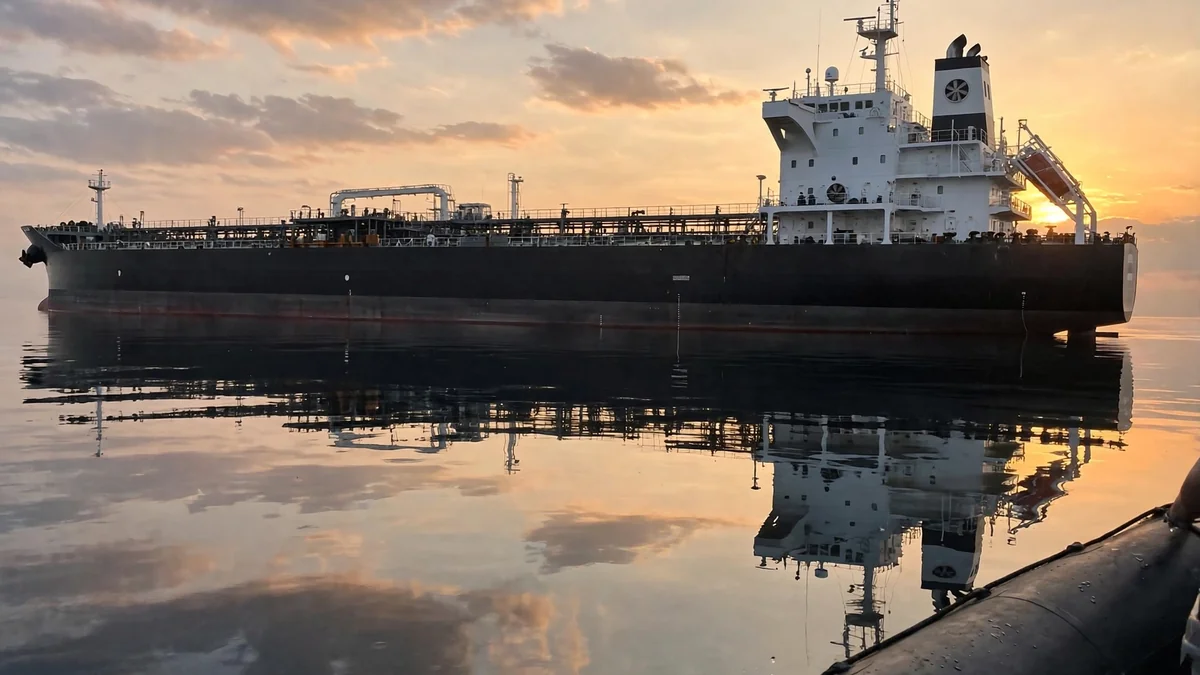
How a Luxury Oil Tanker Is Built
The build follows the same broad shape as any large ship, but at every stage the tanker adds layers of protection that a container ship or a bulk carrier never needs. Those layers are the cost.
1. A double hull, twice the steel
Every modern luxury tanker is built with a double hull: an inner skin holding the cargo and an outer skin meeting the sea, with a gap between them filled with ballast water. A grounding or collision that would tear open a single-hulled ship may only dent the outer skin of a double-hulled one, keeping the oil inside. The price is literal: far more steel, far more welding, and a smaller cargo capacity than the same hull could otherwise carry. It is the biggest structural cost on the ship, and it exists for accidents that may never happen.
2. Coatings that fight rust for decades
Crude oil is corrosive, seawater is corrosive, and the inside of a cargo tank is where the two meet. Before a single drop of oil is loaded, every tank is coated with specialised epoxy systems applied in controlled conditions, layer by layer, then inspected and repaired by hand wherever the coating is thin. The work is slow and expensive, and it repeats at every dry-docking. Cheap coatings would save millions now and cost far more in steel replacement later.
3. Pumps and pipelines built for a spill-free life
A tanker is really a floating pumping station. Enormous cargo pumps, some driven by steam turbines, move thousands of tonnes of oil per hour, and the pipeline system must handle many grades of cargo without mixing them. Every valve and joint is a potential leak, so the system has redundancy, remote operation from the cargo control room, and shutdowns that stop the flow in seconds. The cargo handling story continues in how a luxury oil tanker works once the ship is loading and discharging.
4. Inert gas: the invisible safety system
The most important safety system on a tanker is one the crew never sees. The empty space above the oil in each tank is filled with inert gas, usually exhaust gas scrubbed of oxygen, so the atmosphere inside the tank cannot support a fire or an explosion. Supplying that gas needs its own plant, piping and constant monitoring, working even when the main engines are shut down. Without it, a single spark could destroy the ship.
5. The bridge and the engine room go high-tech
Modern luxury tankers are run from integrated bridges where navigation, cargo monitoring, engine control and communications sit on shared screens, and from engine rooms designed to run unattended for hours at a time. The electronics cost a fraction of the hull, but the certification and redundancy behind them do not: every critical system has a backup. A tanker that loses steering with a full cargo is a disaster waiting for a coastline.
6. Trials, inspections and a paper trail
Before delivery, the tanker faces sea trials, class inspections, vetting by the oil majors, and documentation proving every weld, coating and valve. A tanker that fails vetting sits idle, earning nothing. The numbers behind that effort are laid out in the luxury oil tanker spec sheet, where each figure carries a cost of its own.

The Numbers Behind the Price
The table below gives the typical scale of a large modern luxury crude carrier, and a sense of what each figure costs the owner.
| Specification | Typical value | Why it costs money |
|---|---|---|
| Length overall | About 330 to 340 metres | More steel, more welding, bigger dry docks. |
| Deadweight | About 300,000 tonnes | The largest crude carriers afloat, built for scale. |
| Cargo tanks | About 15 tanks | Each one coated, piped and monitored separately. |
| Double hull | Full length, full depth | Twice the steel in the cargo area. |
| Cargo pumps | About 5,000 tonnes per hour each | High-capacity pumps with full redundancy. |
| Main engine | Slow-speed diesel, about 25 megawatts | One huge engine, built to run for weeks non-stop. |
| Service speed | About 15 to 16 knots | Slow by design, trading speed for fuel economy. |
| Crew | About 25 officers and crew | Specialist tanker certification for every officer. |
| Inert gas system | Full-time, all tanks | Its own plant, piping and monitoring, always running. |
| Build time | About two to three years | Years of yard time, labour and financing costs. |
The deadweight figure fools people: 300,000 tonnes sounds like value, until you remember most of it is cargo the owner does not keep. What the owner buys is the steel, coatings and systems carrying it safely. The same logic applies across the gas trades, as why a luxury LNG carrier is so expensive shows for a cargo that must be kept frozen as well as contained.
What It Costs
The price of a large luxury oil tanker is an estimate, because the final figure moves with steel prices, yard availability and the specification the owner chooses. A reasonable current estimate is roughly 110 to 140 million dollars for a very large crude carrier, with smaller product tankers costing far less. The steel itself is only part of the bill: coatings, pumps, the inert gas plant, navigation and cargo systems, and two to three years of yard labour and financing make up the rest. Then come running costs: specialist crew training, vetting inspections, and dry-dockings where tanks are recoated.
A Rare Fact
Here is the detail that surprises most people: the most expensive cargo a tanker carries is often not the oil at all, but the empty space above it. The inert gas system exists to make that space unbreathable, filling it with exhaust gas scrubbed of oxygen so that no spark, no static discharge and no hot surface can ever ignite the vapour above the cargo. The system runs constantly, voyage after voyage, protecting a fire that has never happened. It is the purest example of what makes a tanker expensive: millions of dollars spent, every single day, on an accident that the ship is designed never to have.
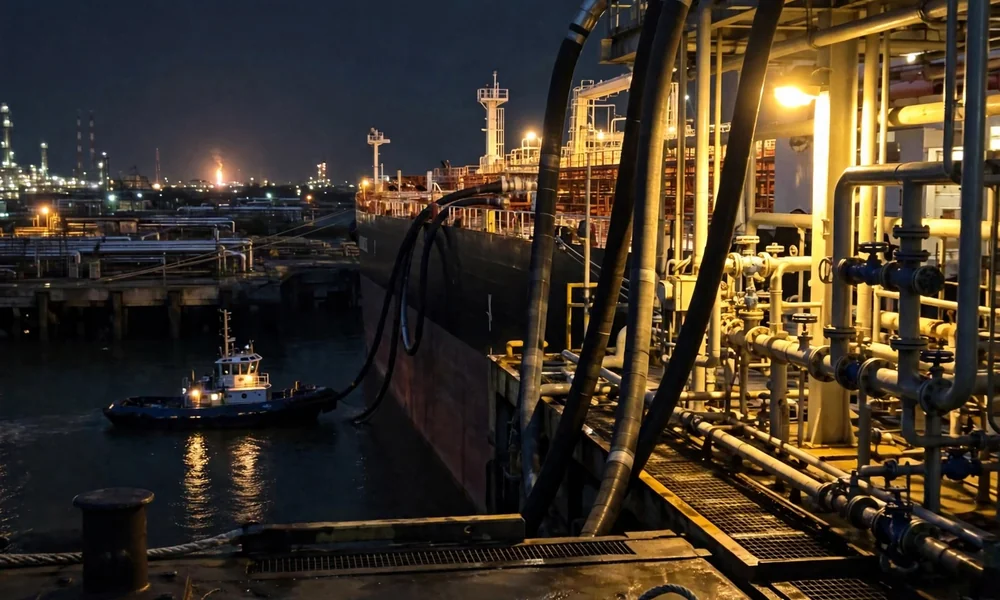
A luxury oil tanker looks like the simplest machine in the world, and that is the trick. The plain steel box is a shell around coatings, pumps, inert gas and inspections that exist to make sure the world never notices the cargo inside. The price is not for the ship you see from the dock. It is for the twenty years of uneventful voyages that follow, and for the coastline that never makes the news.


