A luxury smart doorbell is a small plastic box by the front door, and it can cost as much as a good smartphone. That feels wrong until you list what the box has to do: recognise a face in the dark, tell a delivery driver from a stranger, survive a winter storm, and answer the door when nobody is home. A doorbell that does all of that reliably is not a bell at all. It is a security camera, a computer and a weatherproof intercom squeezed into something the size of a deck of cards.
The price is not one expensive part. It is a dozen hard problems, each solved in a device that has no fan, no shelter and no second chance when it fails. This is where the money goes.
The Camera: Seeing Faces in the Dark
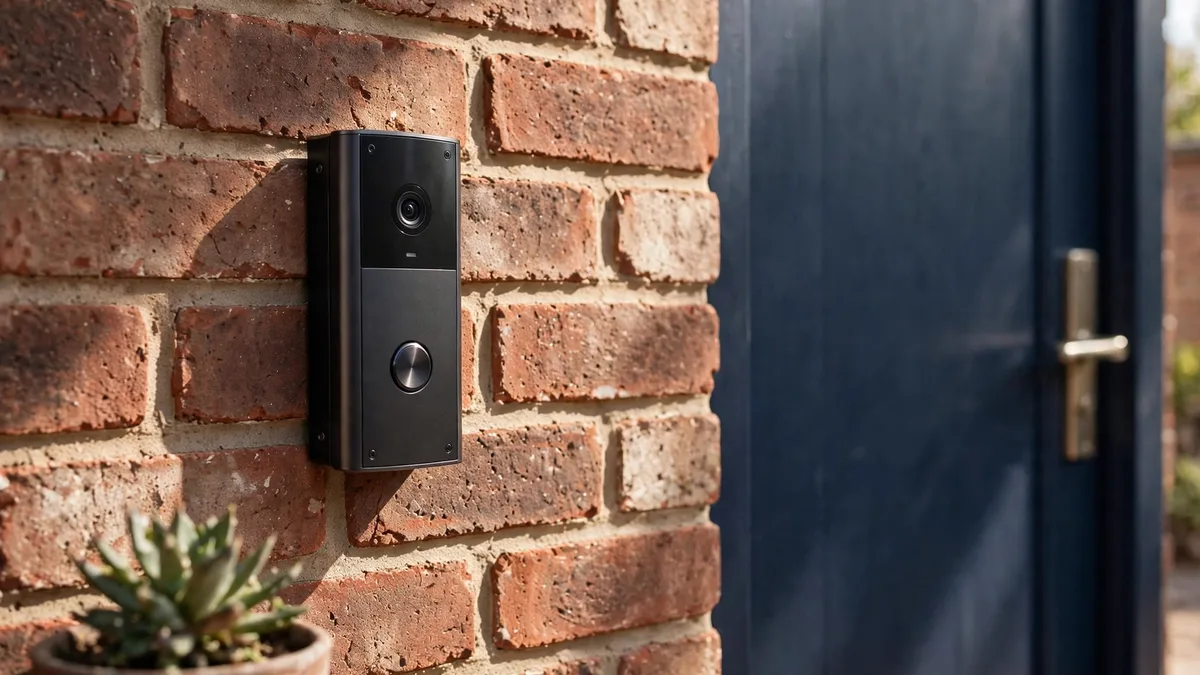
The camera is the heart of a luxury doorbell, and it has a harder job than almost any other camera in the house. It faces the street, so it deals with bright sun, deep shade, headlights and rain, often in the same hour. It has to recognise a face at the door while the sun is behind the visitor, a situation that turns most cameras into a silhouette. Luxury models use high dynamic range sensors and wide-angle lenses that capture a porch from floor to head height, so a parcel left on the step is visible as well as the person who left it.
Night vision is where the cost climbs. A premium doorbell sees clearly in total darkness using infrared light, and the better models add colour night vision, which uses a very sensitive sensor and a small spotlight to show the colour of a visitor’s coat at midnight. That sensor costs far more than an ordinary one, and it has to work in freezing cold and summer heat without fogging. The camera and its housing are the reason the doorbell is built the way it is, and how a luxury smart doorbell works explains the sensor, the lens and the processor that tie the system together.
The Brain: A Computer on the Doorstep
Behind the lens sits a processor that runs face recognition, package detection and motion analysis on the device itself, rather than sending every frame to the cloud. Doing that analysis locally is faster, more private, and harder to engineer, because the chip has to run all day on a small battery or a thin doorbell wire that was designed in the last century to power a simple chime.
The processor also decides what is worth recording. A cheap doorbell records every passing car and every swaying branch, and the owner soon stops looking at the alerts. A luxury model learns the difference between a person, an animal, a vehicle and a parcel, and it only interrupts the owner for the things that matter. That judgement comes from software trained on millions of images, and from a chip powerful enough to run it in real time. Power management is part of the same engineering: the doorbell must wake in a fraction of a second when the button is pressed, yet sip power for months on a battery.
Weatherproofing: Built to Live Outside
A doorbell lives outside in every weather, and that is a brutal environment for electronics. Rain drives into every seam, summer sun heats the case past sixty degrees, and winter frost shrinks every seal. A luxury doorbell is sealed to a high ingress protection rating, with gaskets, drainage channels and a coating on the circuit board that resists corrosion from salt air and pollution.
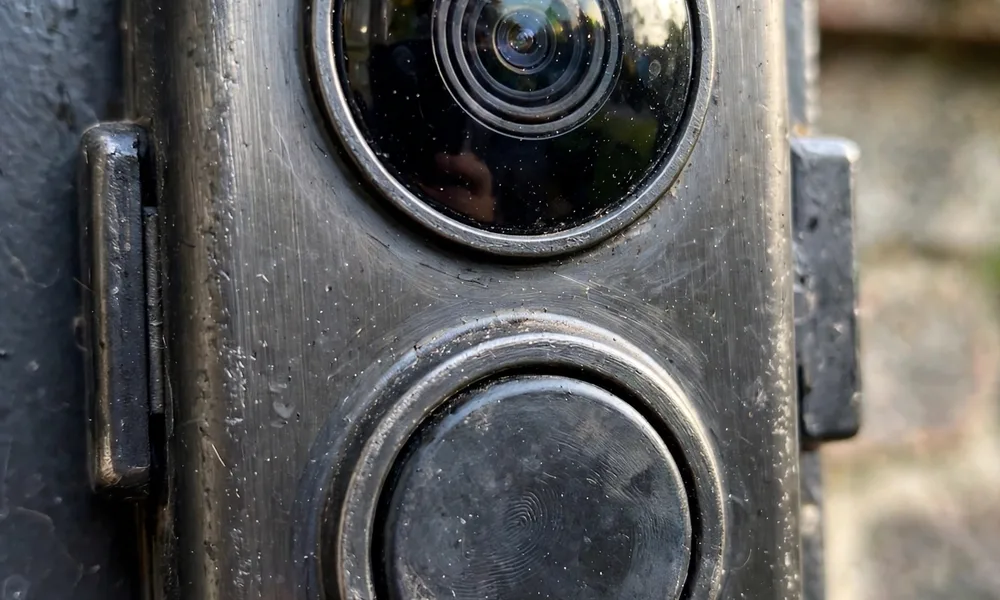
The lens needs its own protection. A hydrophobic coating sheds rain so a drop does not blur the camera, and a heater keeps the lens clear of frost and condensation on cold mornings. The button itself is rated for hundreds of thousands of presses, because it is the one part every visitor touches. All of this sealing and testing costs money, and it is tested in chambers that spray, freeze and bake the doorbell before it is ever sold. The same weatherproofing logic applies to the lock beside it, and how a luxury smart lock works shows how the two devices share the same hostile environment.
Materials, Mounting and the Subscription Question
The case of a luxury doorbell is usually machined aluminium or a high-grade polymer, finished to match the door furniture, and it is designed to resist both weather and tampering. A thief can pull a cheap plastic doorbell off the wall in seconds, so premium models use security screws, a reinforced backplate and a tamper alarm that warns the owner the moment the device is disturbed.
Then there is the subscription. Many luxury doorbells offer cloud recording, person alerts and package detection as a monthly service, and the price of the hardware often assumes that service revenue will follow. Buyers should read the subscription terms before they buy: some features work without a subscription, and some stop the moment the free trial ends. The hardware price and the service price are two different numbers, and the real cost of ownership is the sum of both. The lock that pairs with the doorbell carries the same trade-offs, and how a luxury smart lock is made describes the materials and the machining behind it.
What the Price Looks Like
A luxury smart doorbell is estimated to cost between $200 and $400 for the hardware alone, with the most advanced models at the top of that range, and a cloud subscription is estimated to add $3 to $10 a month. The camera and the processor together are estimated to account for about half of the hardware price, the weatherproofing and the case for roughly a quarter, and the software, warranty and installation for the rest. Those figures are estimated, because the makers do not publish their costs, but the direction is clear: the camera, the chip and the sealing are where the money goes.
A Rare Fact About Smart Doorbells
One detail few owners know is that the first electric doorbells, more than a century ago, were a luxury in their own right, installed only in grand houses where a servant answered the door. The modern luxury doorbell has come full circle: it answers the door itself, with a camera and a voice, so that nobody in the house needs to. A device that began as a rich household’s convenience is now a small computer that does the servant’s job, and the price reflects how much work that job turns out to be.
What the Price Means for You
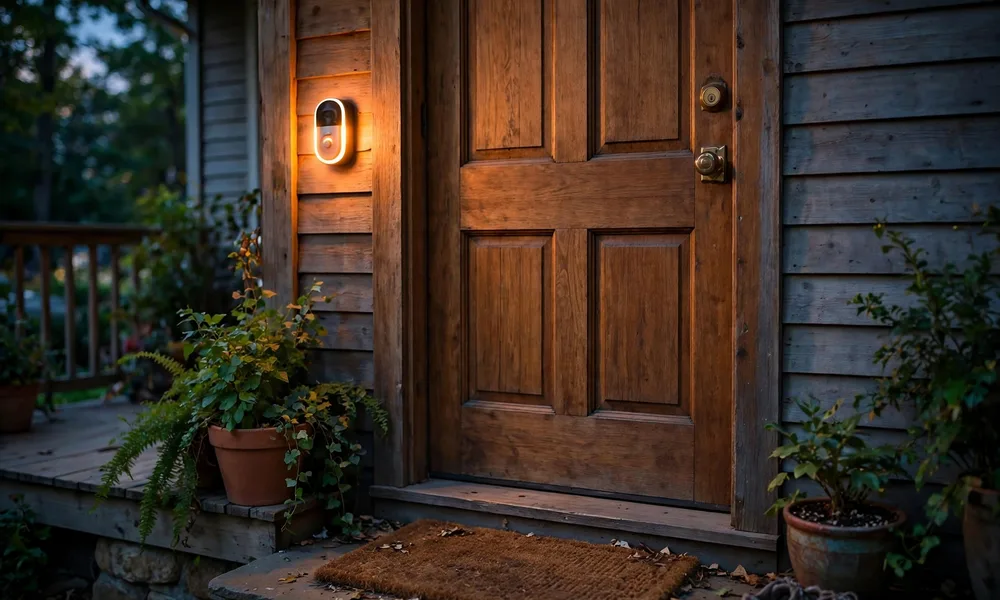
Judge a luxury doorbell by the picture and the alerts, because those are the two things you will live with. Look for a wide field of view, colour night vision, and alerts that tell a person from a parcel without crying wolf every time a car passes. Those are the features that make the doorbell useful rather than annoying.
Be careful about the subscription. A doorbell that needs a monthly fee for its best features costs far more over five years than the price on the box suggests, so add the subscription to the hardware price before you compare models. And check the weather rating and the warranty: a doorbell that survives three winters without fogging or failing is worth more than one with a longer feature list and a shorter life. Buy the picture, the judgement and the sealing, and the price starts to make sense.