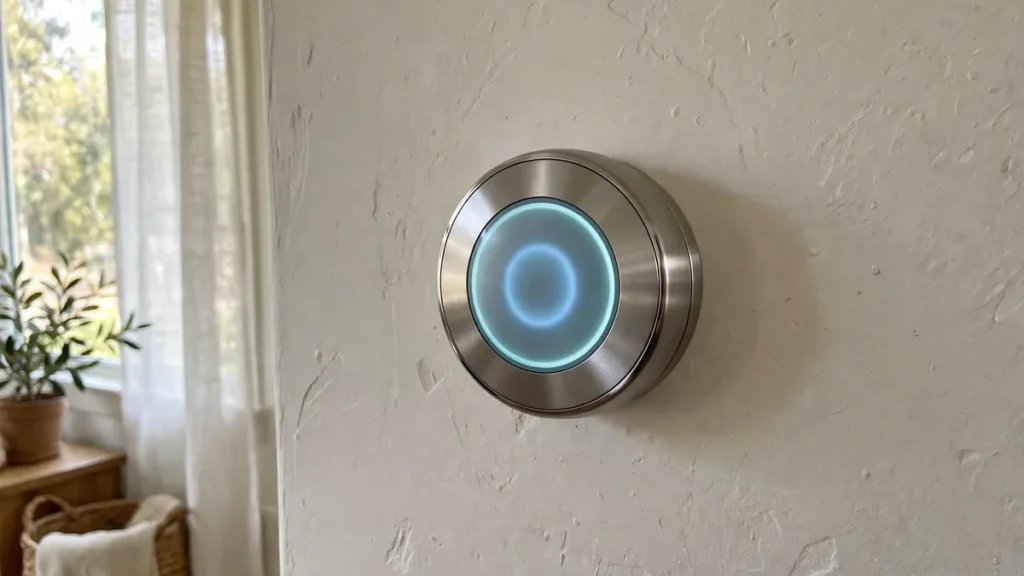
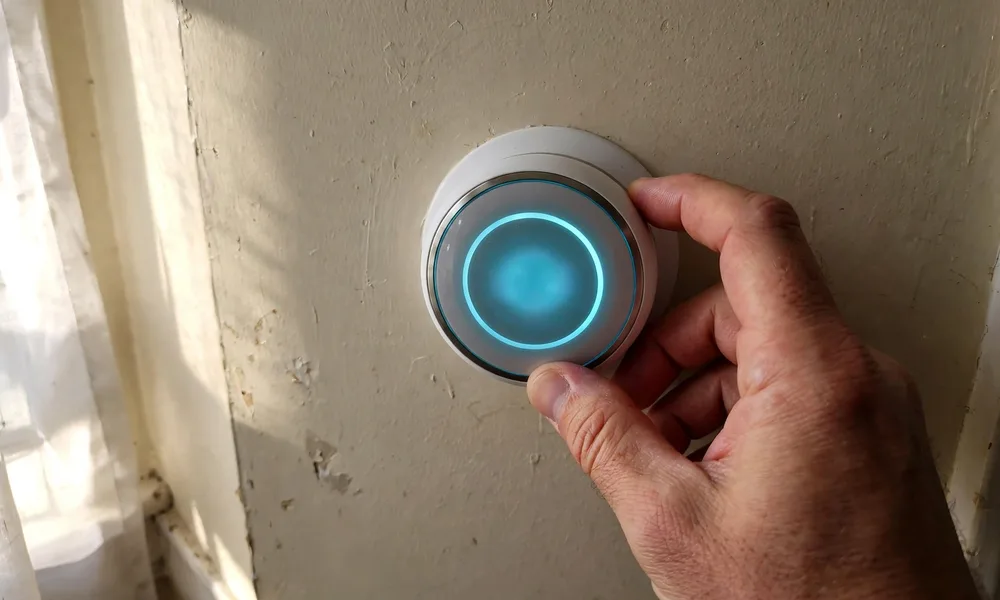
A luxury smart thermostat sits on a hallway wall and does almost nothing that can be seen. It has no fan, no flame and no moving parts anyone can watch, yet it decides when the house is warm, when it is cool, and when the heating should stay off altogether, and it learns the household’s habits while it does so.
It works by listening. Sensors in its body and around the house read the temperature, the humidity and whether anyone is home, and a small computer turns those readings into a decision about the boiler, the heat pump or the air conditioning. This is how a luxury smart thermostat works.
How It Works
Step 1: The sensors read the room
Everything starts with the sensors inside the thermostat’s round body. A temperature sensor reads the air a few times a minute, a humidity sensor watches how damp the house feels, and a light sensor knows whether it is day or night, so the display can dim itself after dark.
The thermostat also listens to sensors in other rooms, small discs on walls and shelves that report their own temperatures back to it. A bedroom that runs cold and a sunny living room that runs warm are no longer a mystery, because the thermostat can see both at once and heat the house to suit the room that needs it most.
Step 2: The thermostat learns the household
Over its first weeks, the thermostat watches when the house is occupied and when it is empty, when the heating is turned up and when it is turned down. It builds a picture of the household’s routine: the early risers, the late evenings, the weekends away, and it begins to follow that routine without being told.
Learning is not just about the clock. The thermostat also learns how the house itself behaves, how long it takes to warm up on a cold morning and how quickly it cools at night, so that it can start the heating early enough to be warm by breakfast, and stop it early enough that the house stays comfortable on stored heat.
Step 3: The computer decides what to heat
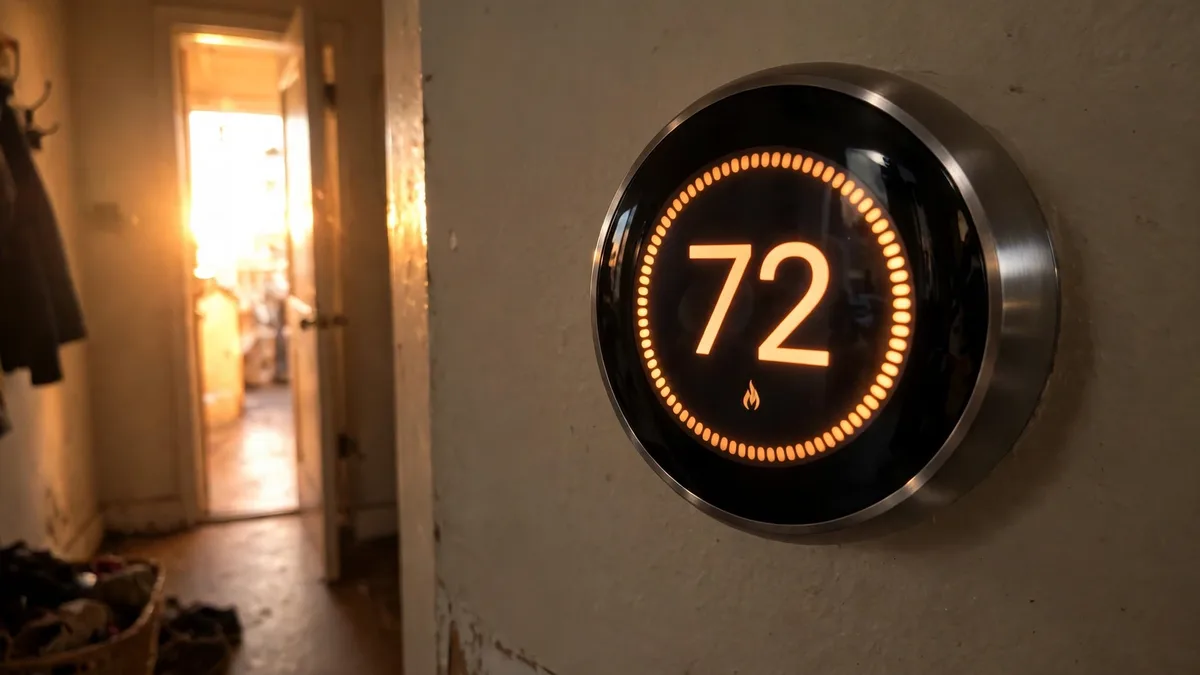
With the readings and the routine in hand, a small computer inside the thermostat makes the decision. It compares the temperature the house is at with the temperature the household wants, looks at the weather outside, and works out whether to run the heating, the cooling, or neither at all.
The decision is made in small steps, not in sudden bursts. The thermostat asks for a little heat, waits to see how the house responds, and then asks for a little more, because a house heated gently stays comfortable longer and uses less energy than one blasted hot and then left to cool.
Step 4: The signal reaches the boiler and the vents
Once the decision is made, the thermostat sends it to the heating system. A low-voltage signal runs through the wires in the wall to the boiler or the heat pump, telling it to start, and another signal opens the valves that let hot water flow to the radiators that need it.
In houses with zoned heating, the thermostat talks to small motors on the valves in each room, opening the bedroom radiator and closing the empty guest room, so that heat goes only where it is wanted. The whole conversation happens in seconds, and the owner hears nothing but the faint click of a relay.
Step 5: The thermostat talks to the rest of the house
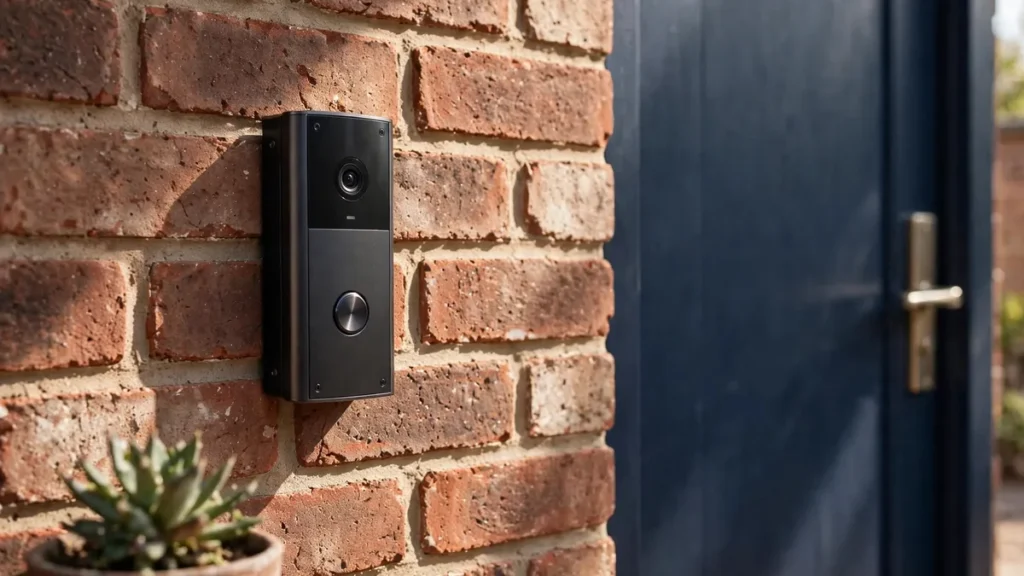
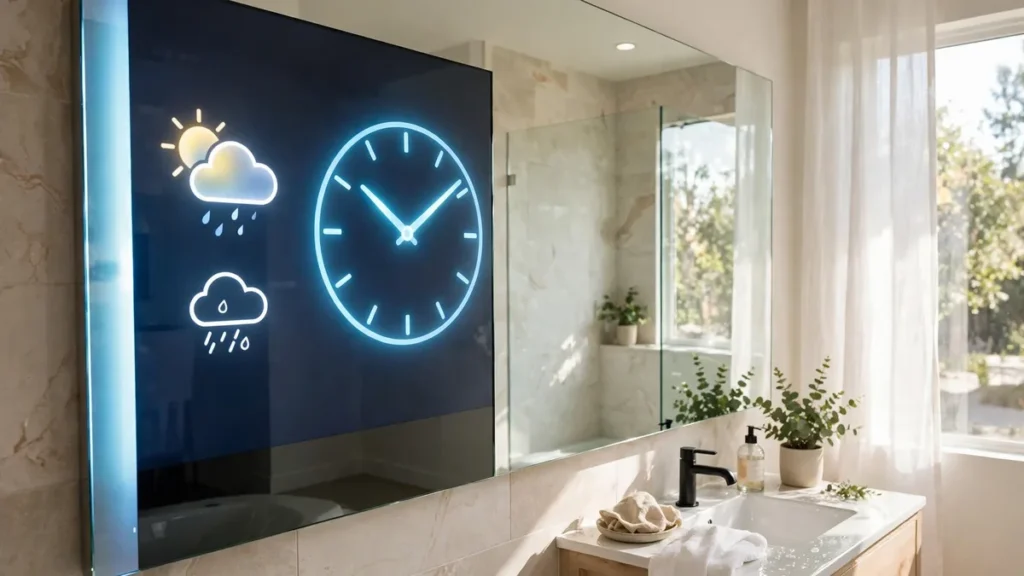
A smart thermostat is not a lonely device, because it talks to the rest of the house. It tells the mirror that someone is awake in the morning, it asks the doorbell whether anyone has come home, and it listens to the weather forecast so that it can warm the house before a cold snap arrives.
It also talks to the owner’s phone. From anywhere in the world, the owner can check the temperature, turn the heating up before a flight home, or set the house to away mode for a holiday, and the thermostat will answer with a short report of what it has done and how much energy it has saved.
Step 6: The thermostat saves energy and reports back
Every day, the thermostat keeps a record of how long the heating ran, how much energy it used, and how the house responded. It uses that record to tune itself, trimming a few minutes here and a degree there, until the house is comfortable on the least energy it can manage.
At the end of the month it reports back, in plain words on its screen and in the app, showing how much energy was saved and where it was saved. A house that once heated empty rooms all day now heats only the rooms that are used, and the saving shows up on the bill as surely as it shows up on the screen.
| Part | Detail |
|---|---|
| Sensors | Temperature, humidity and light sensors in the body, plus room sensors reporting back from around the house |
| Learning | Watches occupancy and the household routine, and learns how fast the house warms and cools |
| Decision | Small computer compares the present temperature with the wanted one, checks the weather, heats gently |
| Control | Low-voltage signals to the boiler or heat pump, valves opening radiators room by room |
| Links | Talks to the mirror, the doorbell and the weather forecast, and reports to the owner’s phone |
| Saving | Daily record of run time and energy, self-tuning, monthly report in plain words |
The hardest part of a thermostat’s work is the house itself. No two houses warm alike, because one has thick stone walls and another has thin plaster, one faces the sun and another faces the north, so the thermostat must learn each house on its own, and a setting that works perfectly in one home would leave another cold.
What One Costs
A luxury smart thermostat typically costs an estimated $250 to $500 installed, set mostly by how many rooms it senses, whether it controls heating alone or heating and cooling together, and how much of the house it talks to. A single-room thermostat sits near the bottom, while a whole-house system with room sensors and zoned valves costs far more. The numbers behind the device matter, and the luxury smart thermostat specifications explained sets out what each figure means, while how a luxury smart mirror works covers the device that tells the thermostat the morning has begun.
A Rare Fact
The first thermostats were not electric at all but metal strips that bent as they warmed, and the bending of the strip pulled a switch. The idea came from a device that kept a chicken incubator at a steady temperature, and the same bent strip later kept whole houses warm through the winter.
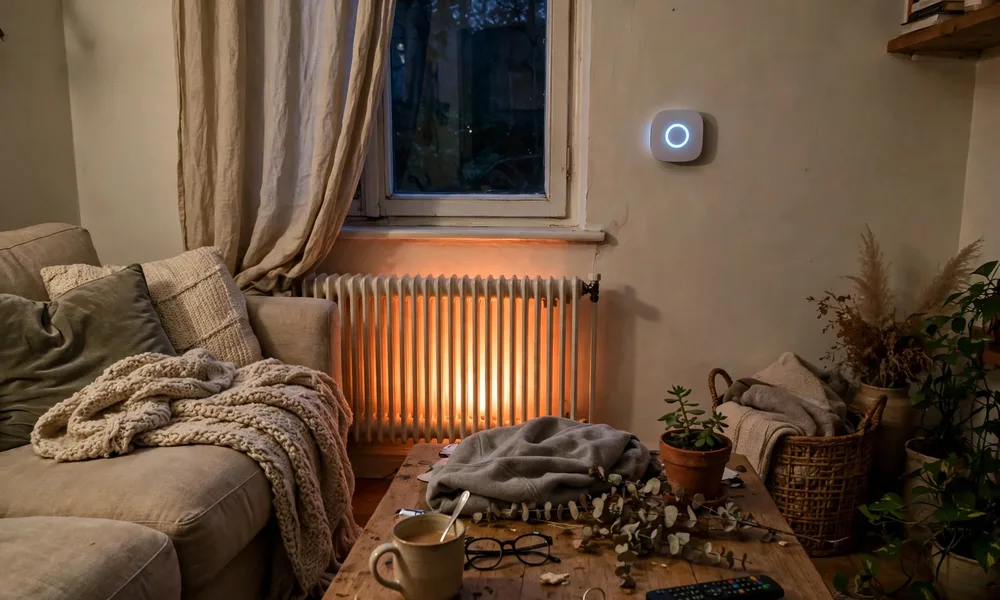
A luxury smart thermostat is sensors that read the room, a memory that learns the household, a computer that decides in small gentle steps, wires that tell the boiler and the valves what to do, a voice that talks to the rest of the house, and a record that trims the waste away. It sits quietly on the wall and does almost nothing that can be seen, and the house is warm when it should be and cool when it should not. The voice that answers it from the next room belongs to another device entirely, and how a luxury smart speaker works explains the speaker that talks back.