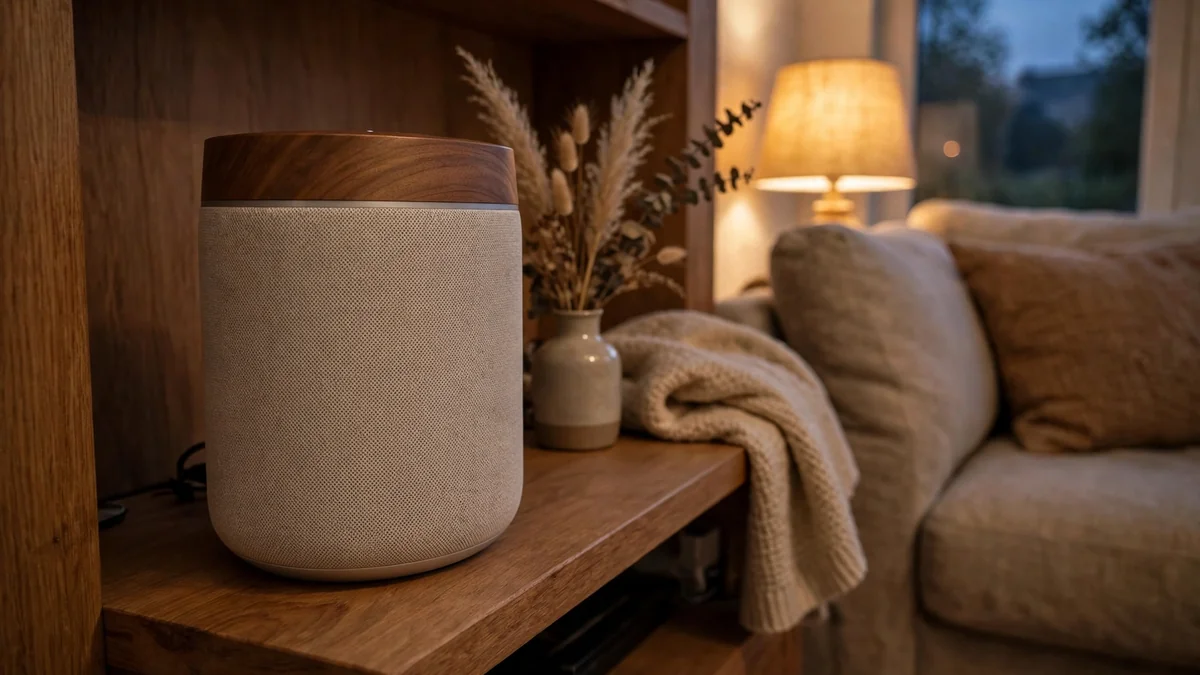
The living room was quiet in the evening, the lamps low, and the small speaker on the shelf filled the room with music that seemed far too big for its size. The bass was deep and clean, the vocals clear, and when the owner asked it to dim the lights it answered in a calm voice and did it, without a phone in sight. It looked like a piece of furniture, not a gadget, and it sounded like a speaker three times its size.
A luxury smart speaker costs a small fortune, and the price can puzzle people who compare it with a regular smart speaker that looks much the same from across the room. The answer is that the luxury version is engineered, tuned and finished to a completely different standard, and here is where the money goes.
1. Drivers and acoustics tuned like a real speaker
A luxury smart speaker carries drivers, the small cones that make the sound, that are designed and tuned the way a proper hi-fi speaker is, not the way a cheap gadget is. The woofer is larger and better controlled, the tweeter is positioned to spread the sound evenly around the room, and the cabinet is shaped and braced so it does not colour the sound with its own vibrations. Engineers spend months with microphones in a listening room, adjusting the sound until it is balanced at low volume and at high volume, because a speaker that only sounds good when it is loud is no good in a living room. That tuning time, and the better parts it demands, cost far more than the off-the-shelf drivers in a mass-market speaker.
2. Materials that belong in a home, not a warehouse
The body of a luxury smart speaker is made from materials chosen for a living room: real wood, woven fabric, brushed metal or even leather, fitted by hand and finished to furniture standards. The fabric is acoustically transparent, which means sound passes through it without muffling, yet it is tightly woven enough to look and feel like upholstery. The metal parts are machined and anodised rather than moulded plastic, and the whole thing is built to sit on a shelf for years without looking dated. Mass-market speakers use plastic because it is cheap and easy to mould, but the real materials in a luxury model cost many times more, and the hand finishing adds more still. The way clever gadgets are put together is described in the guide to how a luxury smart speaker works, from the microphones to the drivers that make the sound.
3. Microphones that hear across a noisy room
A smart speaker has to hear a quiet voice over music, a television and a conversation, and the luxury version does it with an array of several far-field microphones and a processor that separates the voice from everything else. The microphones are positioned around the body so the speaker hears in every direction, and the software cancels out its own music so it can hear a command even while it is playing loudly. Developing that beamforming and echo-cancelling software takes years of work, and it has to keep working as the room changes, with curtains drawn or a window open. A cheap speaker uses fewer microphones and simpler software, which is why it so often misses the first word of a request. The same care with sensing and processing appears in the guide to how luxury smart glasses work, which shows how another kind of smart device listens and sees the world around it.
4. Sound that adapts to the room
A luxury smart speaker listens to its own sound bouncing off the walls and adjusts itself to the room it is in. Put it in a corner and it trims the bass; move it to an open shelf and it opens the sound up again. That room calibration uses the microphones to measure the space, then applies correction in real time, and it keeps adapting as furniture moves or a door opens. It is the difference between a speaker that sounds good in a showroom and one that sounds good in your actual living room, and it is invisible until you move the speaker and hear it change.
5. Privacy, software and long support
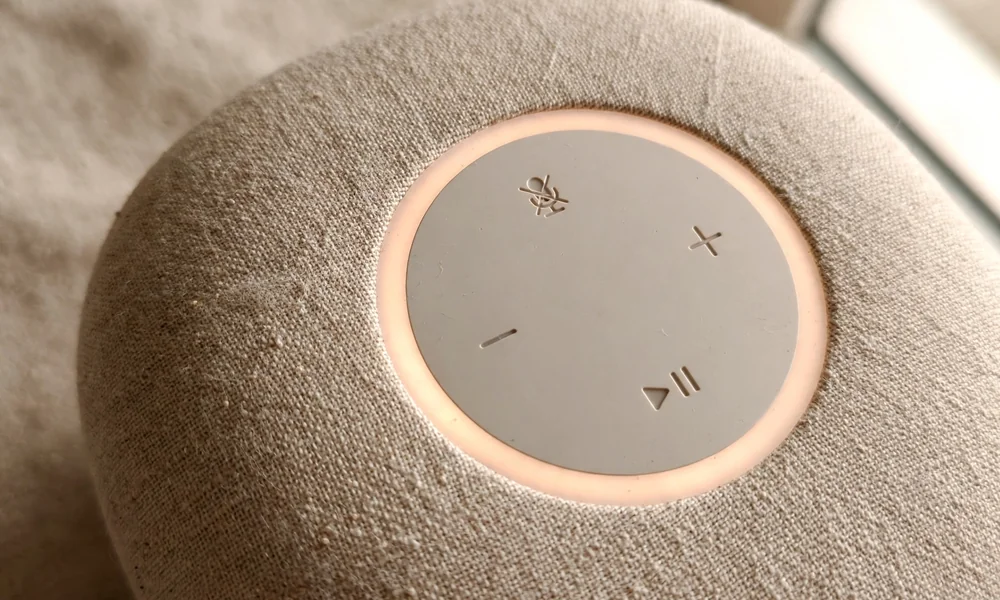
A luxury smart speaker is also a computer that is always listening, and the expensive version takes that seriously. It carries a physical mute switch that cuts power to the microphones, a clear light that shows when it is listening, and software that processes as much as possible on the device rather than sending it away. The maker also supports the speaker with software updates for many years, adding features and fixing problems long after a cheap speaker would have been abandoned, and that long support is paid for in the price. The same attention to clever, compact engineering appears in the guide to how a luxury action camera works, which shows how another small device packs serious technology into a tiny body.
6. Small numbers and high standards
A luxury smart speaker is made in far smaller numbers than a mass-market one, and that changes the economics completely. A factory making millions of units can spread the cost of a new driver or a new chip across every one of them, but a luxury maker cannot, so each speaker carries a much bigger share of the design and tooling cost. Rarity is part of the appeal, and it is also part of the price, because exclusivity and mass production do not mix.
Price and specs in context
A luxury smart speaker typically costs roughly $300 to $900 as an estimate, with limited editions and multi-room sets going higher, and it usually carries several drivers, a multi-microphone array and a processor far more powerful than a basic speaker. Those numbers look modest next to a hi-fi system, but they miss the point: the speaker packs that sound and that intelligence into a single small object that also has to look good on a shelf and listen all day without getting in the way.
Running costs are low, since the speaker sips power, but the real cost is in the years of software support and the quality of the sound, which is why owners tend to keep a luxury speaker far longer than a cheap one. It is a speaker bought for the sound and the silence around it, and priced that way.
A rare fact worth knowing
Some luxury smart speakers are fitted with a small sensor that detects when a person is near and lights up the controls softly, then fades them away again when the room is empty. It is not there for show. It means the speaker never glows in a dark room at night, yet its controls are always there the moment a hand reaches for them, and the sensor uses so little power that it can run all day. Owners who have lived with one tend to call it the most thoughtful detail on the whole device, and it is the kind of detail that never makes the headline numbers.