Open the roof of a luxury car on a clear evening and the cabin changes completely. Light pours in from above, the headliner disappears, and a car that felt like a sealed room suddenly feels like an open terrace. A modern luxury sunroof is a moving structure, a drainage system, a piece of safety glass engineering, and a small electric motor, all fitted into a space barely thicker than a paperback book. The roof is the largest single piece of glass on the car, and it has to do the work of a window, a hatch, and a structural panel at the same time.
The numbers on the sheet describe that system in detail. They cover how much of the roof actually opens, how thick the glass is, how fast the panel moves, and how much weight the whole assembly adds to the top of the car, which is the worst place to add weight. Read them properly and you can tell whether a sunroof will be a quiet pleasure on a motorway or a source of wind noise, drips, and rattles for the life of the car.
This guide walks through the main figures on a luxury car sunroof specification sheet, one by one, and explains what each of them means in plain language.
Luxury Car Sunroof Specs at a Glance
| Specification | Typical range | What it decides |
|---|---|---|
| Glass area | 0.5 to 1.2 square metres | How much light and sky reach the cabin |
| Opening length | 400 to 800 millimetres | How much fresh air actually flows in |
| Glass thickness | 4 to 6 millimetres, laminated | Strength, safety and sound insulation |
| Panel travel time | 6 to 12 seconds, fully open | How the mechanism feels in daily use |
| Assembly weight | 25 to 45 kilograms | Centre of gravity and handling balance |
| UV and heat rejection | 95 to 99 percent UV blocked | How hot the cabin gets in summer sun |
Glass Area: How Big the Sky Gets
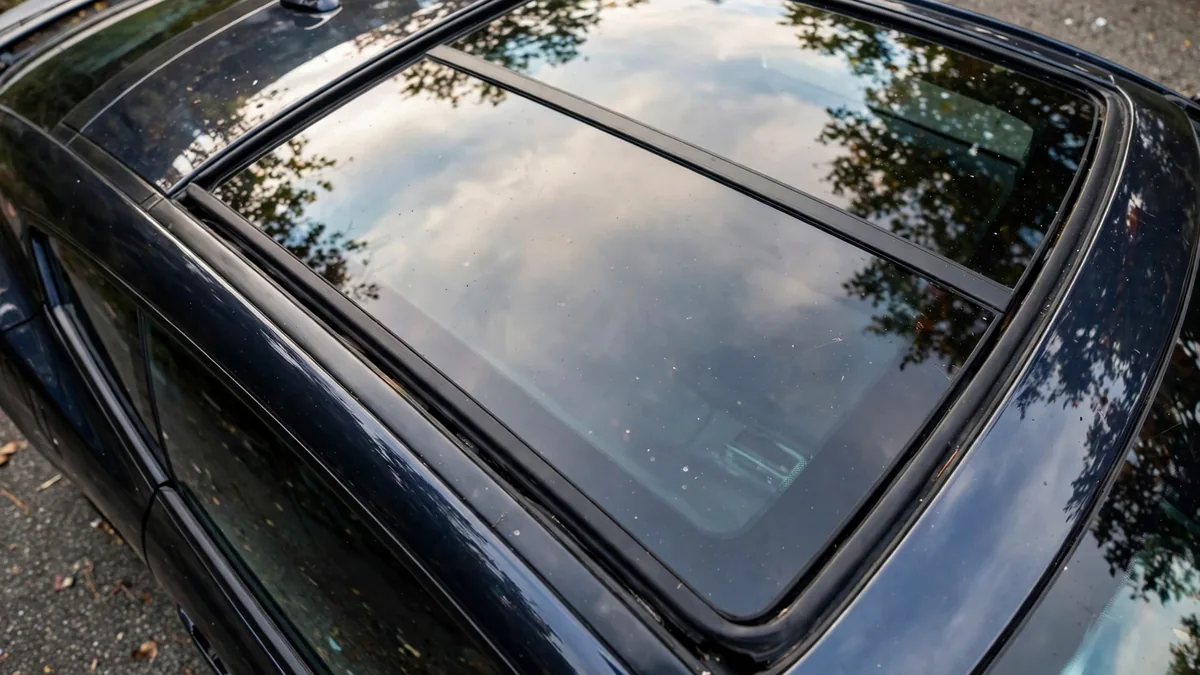
The first number most buyers notice is the glass area, and it is the one that changes the cabin most. A traditional sunroof covers about half a square metre, roughly the size of a large tray, and sits above the front seats only. A panoramic roof, the kind fitted to most luxury cars today, stretches from the windscreen to the rear seats and can cover more than a square metre of glass. A panoramic roof also changes the way the car feels from the back seat, where passengers get sky above them instead of a dark headliner. From the driver’s seat the difference is obvious: a small roof is a window, a panoramic roof is a ceiling.
Every square centimetre of glass is a square centimetre that is not steel, and the roof is a structural part of the car, the piece that stops the body twisting and protects the occupants if the car rolls. The glass panel is therefore set into a reinforced frame, and the frame, the motor, and the glass together add weight exactly where the car least wants it, high up. That weight raises the centre of gravity, which is why sports cars often keep their roofs small. The balance between light and handling runs through the whole car, and the full specification of a luxury hypercar shows how the roof figures sit alongside the weight and power numbers that decide how the car drives.
Opening Length and the Wind Problem
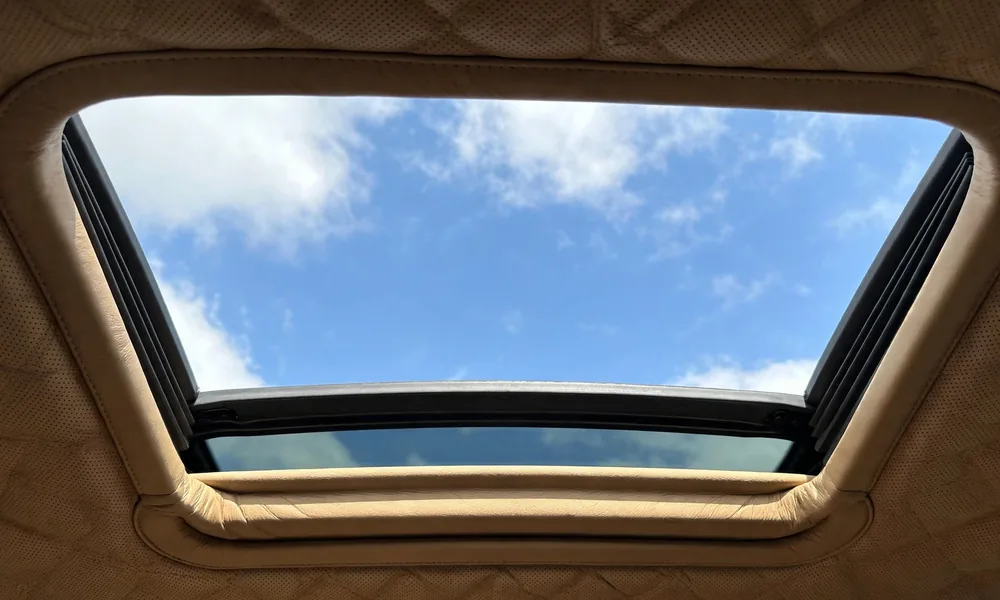
Glass area and opening length are not the same thing, and the difference matters. On most luxury cars only the front panel slides open, usually by four hundred to eight hundred millimetres, while the rear glass stays fixed. A longer opening also helps the cabin cool down faster when the car has been sitting in the sun. The opening is the part that lets air in, and its size decides whether the cabin gets a gentle flow or a proper breeze. A short opening at motorway speed is often enough, because the air moving over the roof draws air out of the cabin, but a short opening on a hot day in traffic can feel like a tease.
The reason the opening is limited is wind. An open roof is a hole in the smooth shape of the car, and air rushing over it makes noise, a low drumming sound that engineers call buffeting. To control it, luxury sunroofs use a small wind deflector, a mesh or plastic flap that pops up at the front edge of the opening and breaks the airflow into smaller, quieter streams.
Glass Thickness, Safety and Silence
The glass in a luxury sunroof is usually four to six millimetres thick, and it is laminated, which means two layers of glass bonded to a plastic sheet in the middle. If it breaks, it stays in one piece, held by the plastic layer, instead of showering the cabin with fragments. And it blocks sound far better, which is why a luxury car with a panoramic roof can still be quiet inside.
Weight, Motors and the Drainage Nobody Sees
Underneath the glass, out of sight, sits the part that causes the most trouble in old cars: the drainage system. A sunroof is not waterproof, and it is not meant to be. Water that gets past the seals is caught in a shallow tray and carried away through four thin tubes that run down the pillars of the car and out underneath. The same care with weight and structure shows up wherever the body is made from light materials, and how a carbon fibre chassis is made explains why saving kilograms high up in the body matters so much.
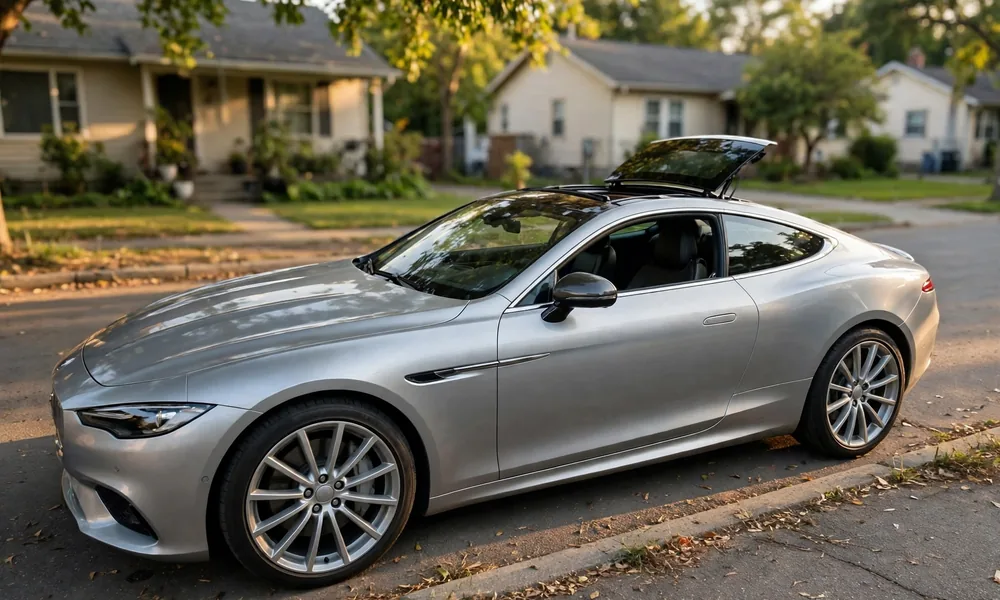
A Rare Fact About the Sunroof
Here is a detail that surprises even people who sell these cars. The glass in a panoramic roof is so large and so heavy that some luxury makers fit it as a structural part of the body, glued and bolted in place so firmly that the roof contributes to the stiffness of the whole car. The window above your head is, in those cars, part of what holds the car together.
What the Specs Mean for You
If you are choosing a luxury car, the sunroof specification tells you how the cabin will feel on the days you actually use it. A large glass area with strong heat rejection means a bright cabin that does not roast in summer. A long opening with a well tuned deflector means fresh air without the drumming. A laminated panel means a quieter cabin and a safer one, and a light assembly means the car still handles like it should.
The next time you sit in a luxury car, open the roof, look up, and listen. If the panel glides, the wind stays quiet, and the sun feels warm without being harsh, the numbers on the sheet were chosen well. The same thinking, weighing every gram against the experience it buys, runs through the newest electric cars too, and the specification of a luxury electric hypercar shows what happens when the roof, the battery, and the body are designed as one system.