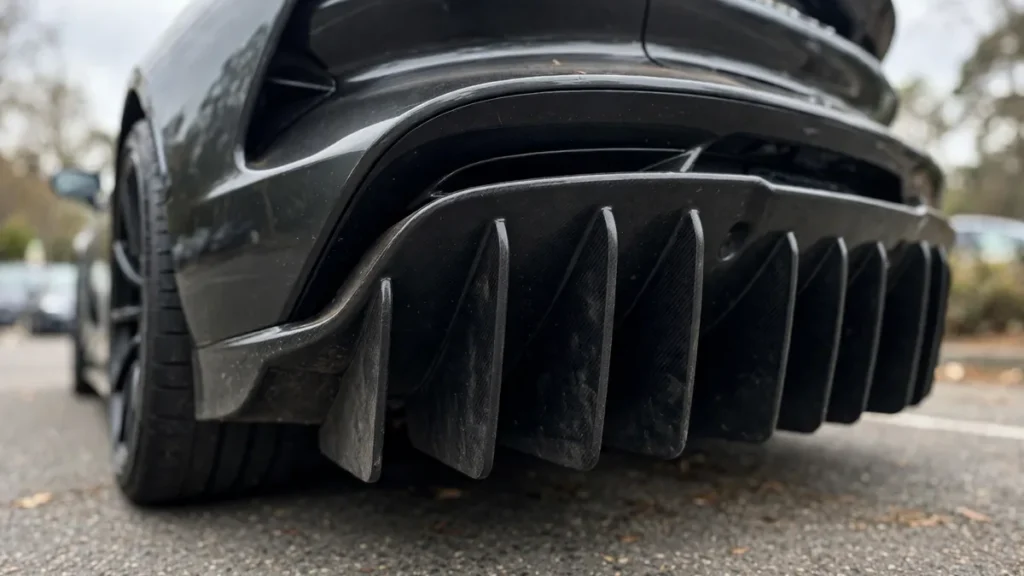
Walk around a luxury sports car and the bumper is the part you are most likely to touch without noticing. A replacement front bumper for a large luxury sports car is estimated to cost between six thousand and thirty thousand dollars, and once the painting, the sensors, and the fitting are added, the bill can climb higher still.
That price is strange, because a bumper looks like a single piece of plastic. It is not. A modern luxury bumper is a system: a painted outer skin, a crash structure behind it, foam absorbers, radar and camera mounts, parking sensors, air ducts, and a splitter underneath, all of which must work together in a crash and look flawless on the showroom floor. The reasons for the cost are hidden in the crash engineering, the paint, and the electronics packed into a part that is designed to be hit.
Crash Structure and the Metal Behind the Skin
The first cost driver is what sits behind the painted skin. A luxury car bumper is built around a crash beam, usually aluminium or high-strength steel, designed to absorb a low-speed impact without damaging the rest of the car, and to spread the force of a harder impact into the chassis rails. In front of the beam sits a layer of energy-absorbing foam, shaped to the bumper, and behind it are the mounts for the radiators, the headlights, and the pedestrian protection system, which lifts the bonnet in a fraction of a second if the car strikes a person.
Every part of that structure is crash tested, many times, at different speeds and angles, and the testing is expensive. A single full crash test destroys a car, and a bumper programme can consume dozens of them, plus hundreds of computer simulations before the first real car is ever crashed. The balance between strength, weight, and repairability is struck in the design, and it is struck again every time the model is updated. The same thinking shapes the whole car, and the specification of a luxury sports car shows how the bumper figures sit beside the weight and safety numbers that decide how the car drives.
Paint, the Colour That Costs Thousands
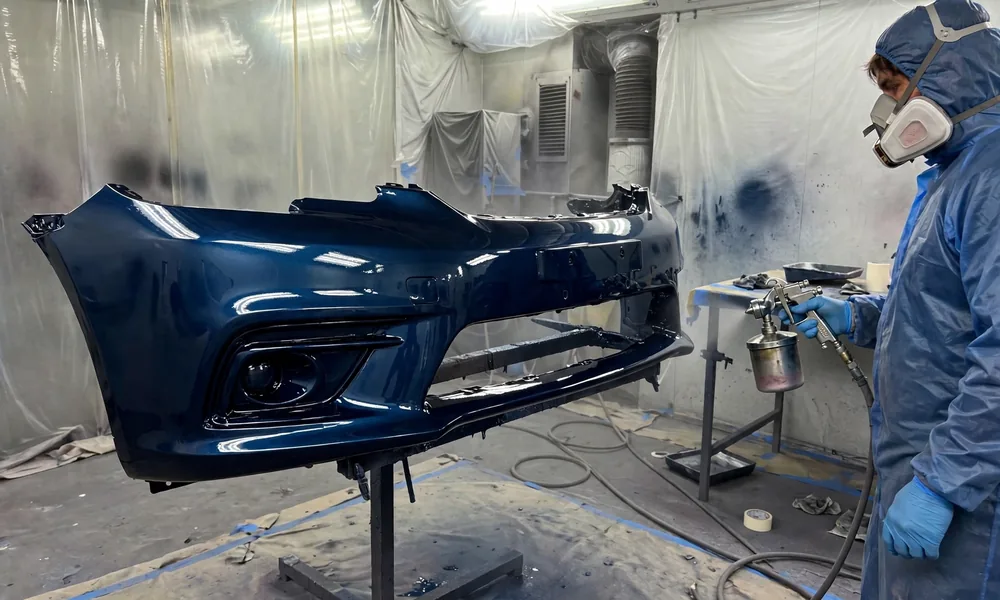
The second cost driver is the paint. A luxury bumper is painted in the same multi-layer system as the rest of the car: primer, colour coats, and clear coat, applied in a dust-free booth and baked, then polished by hand. Painters adjust the mix for the bumper alone, and the finished car is inspected under bright lights from every angle before it leaves the factory.
Multi-layer pearls, matt finishes, and colours with hand-applied flakes are sprayed in extra coats, and a matt bumper cannot be polished in the usual way, so any flaw means repainting the whole part. The paint must also flex, because a plastic bumper bends, and it must survive stone chips, car washes, and sunlight without cracking or fading. A repaint after a car park knock is not a quick job either: the bumper must come off, the sensors must be removed and recalibrated, and the part must be painted, baked, and refitted, which is why a small scrape can turn into a four-figure repair bill.
Sensors, Ducts and the Aerodynamics of the Nose
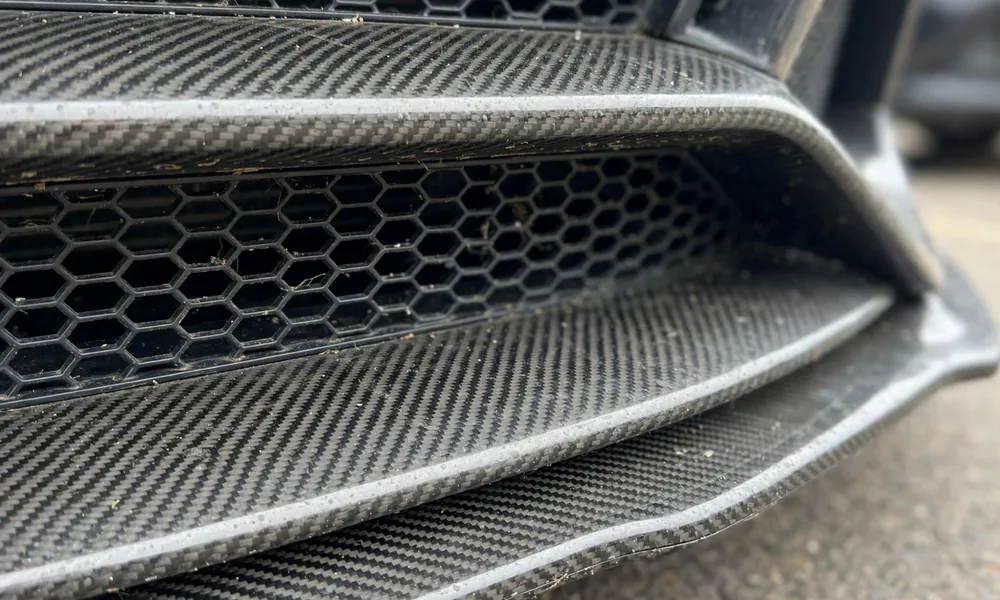
The third cost driver is what the bumper carries. A modern luxury bumper holds parking sensors, a radar unit for the cruise control, cameras for the surround view, washers for the headlights, and air ducts that feed the brakes and the radiators. Each sensor must sit in exactly the right place, at exactly the right angle, and after any repair the radar and cameras must be recalibrated with specialist equipment, which adds hours of labour to even a small job.
The shape of the bumper is also aerodynamic. Every curve is tested in a wind tunnel, and the bumper must do all of this while looking like a single sculpted piece. The heat-resistant composites used in the nose have their own story, and why a Kevlar panel costs so much explains what happens when a light, tough material has to survive heat and impact.
The Price, in Plain Terms
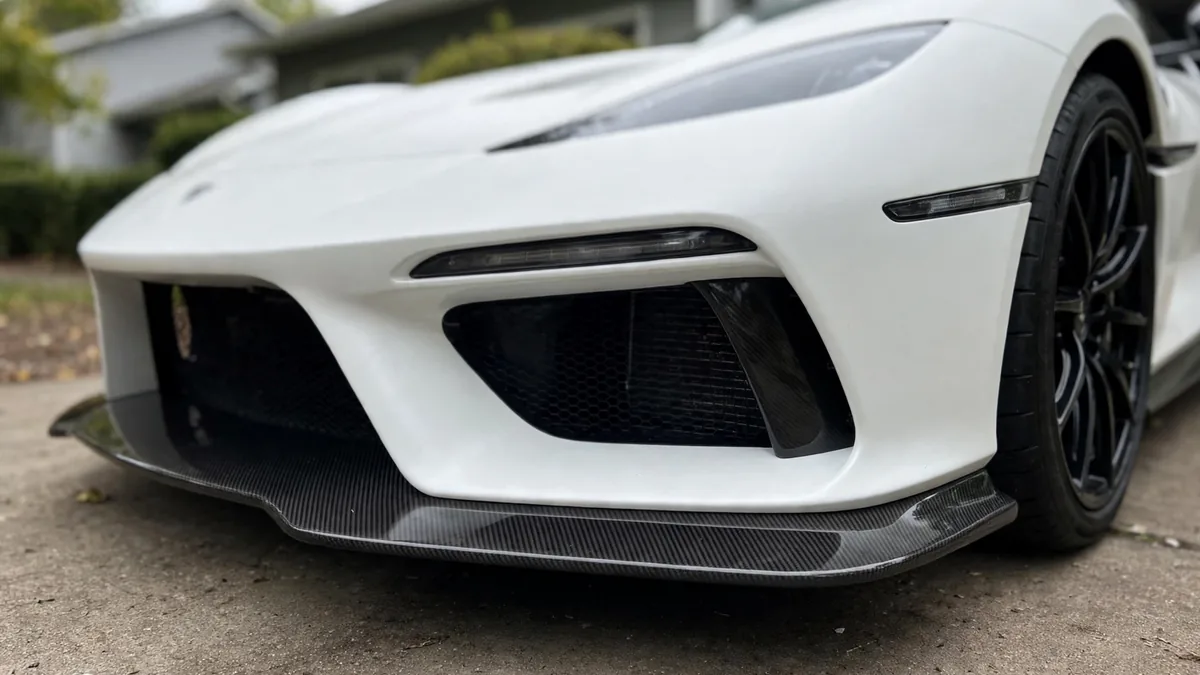
Put the pieces together and the numbers look like this. The crash beam, foam absorbers, and mounting structure are estimated at two thousand to eight thousand dollars. The multi-layer paint, colour matching, and hand polishing are estimated at one thousand to six thousand dollars. The sensors, cameras, radar, and their calibration are estimated at two thousand to ten thousand dollars. The aerodynamics, carbon fibre splitter, and hand fitting are estimated at one thousand to six thousand dollars. The total for a large luxury sports car front bumper lands, by most estimates, between six thousand and thirty thousand dollars, fitted and painted, and on the rarest models it can go higher still.
Those are estimated figures, and they move with the car, the colour, and the sensors fitted, but the shape of the bill is stable. Roughly a third goes into the crash structure, roughly a third into the sensors and their calibration, and the rest into the paint and the aerodynamics. It is a lot of money for a piece of plastic, but it is not a piece of plastic. It is a crash structure, a sensor platform, and a wing, built into a single sculpture that is designed to be hit. The cars these bumpers belong to are built the same careful way throughout, and how a luxury hypercar is made shows how many of its parts are hand fitted just like the bumper.
A Rare Fact About the Bumper
Here is a detail that surprises even people who own these cars. On some luxury sports cars, the bumper is not painted in the factory at all, or not entirely. The bumper is painted separately from the body, in a different booth, by a different team, because the plastic needs a different paint process from the metal, and the two are matched by eye under special lights before the car is assembled. On a few models, the bumper is even fitted, removed, painted, and refitted, so the gaps can be checked twice. The part you see is the result of two paint shops and two fittings, and the second fitting is part of the price.
What the Price Means for You
For an owner, the price of the bumper is paid back in safety and in looks. A bumper that is built well means a car that protects its occupants and its radiators in a crash, sensors that work in the rain, and paint that still matches the wings after years on the road. A bumper that is built cheaply means sensors that drift, paint that fades, and a car that looks tired at the corners.
The next time you park a luxury car, look at the bumper before you walk away. It is the car’s first line of defence, its sensor platform, and its aerodynamic nose, all at once. It costs thousands, and now you know why.