Press the pedal of a luxury electric coupe and something strange happens. There is no roar, no gear change, no vibration through the floor. There is just silence, and then a rush of speed so smooth and so instant that it feels like the road itself is pulling you forward. It is the quietest kind of thunder, and it is changing what a fast car feels like.
Under the sleek body of an electric coupe there is no engine, no gearbox and no exhaust, just a battery, a set of motors and a computer that thinks thousands of times a second. Here is how a luxury electric coupe works, from the battery under the floor to the motors that turn electricity into speed.

How It Works
Step 1: The battery and the floor
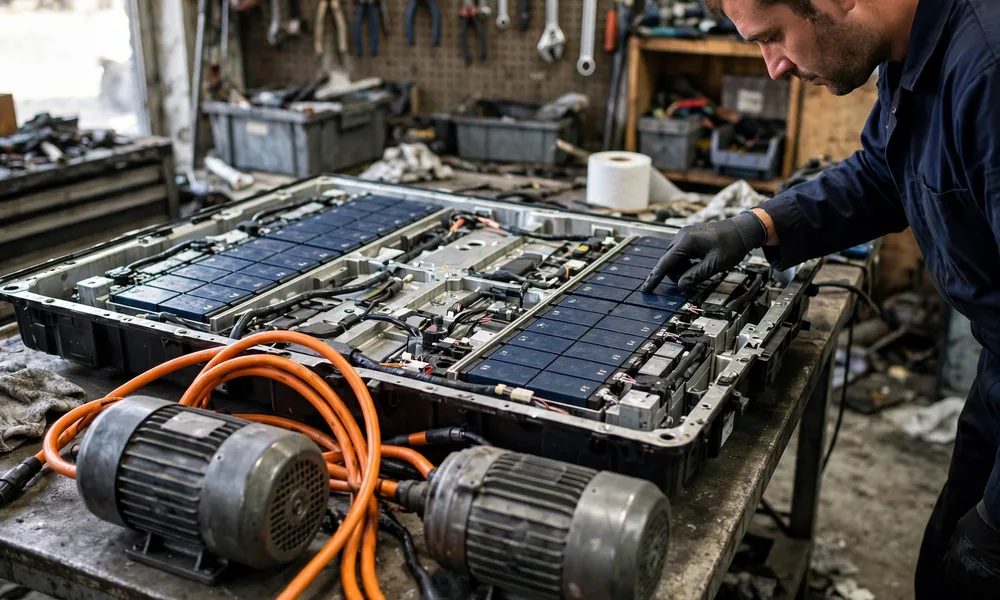
The heart of an electric coupe is its battery, a flat pack of hundreds of lithium-ion cells that sits low in the floor of the car. Keeping the weight low gives the coupe a low centre of gravity, which helps it corner flat and feel planted on the road. The battery holds around 80 to 100 kilowatt-hours of energy, enough for 400 to 600 kilometres of driving, and it is protected by a strong steel case and a cooling system that keeps every cell at the right temperature. Charging it at a fast charger can add hundreds of kilometres of range in the time it takes to drink a coffee.
Step 2: The motors and the power
Most luxury electric coupes have two motors, one on each axle, giving the car all-wheel drive without a driveshaft or a gearbox. An electric motor makes its full torque instantly, from zero revs, which is why an electric coupe launches so hard from a standstill. The motors are small, quiet and efficient, and they can make 400 to 600 horsepower between them. There is no gear change to wait for, just a single smooth push that keeps building until the car reaches its top speed. The story of how a luxury hypercar works shows the same idea taken further, with motors so powerful they can outrun almost anything on the road.
Step 3: The inverter and the control
The battery stores direct current, but the motors run on alternating current, so an inverter sits between them, switching the power back and forth thousands of times a second. A central computer watches the driver, the road and the battery, and decides exactly how much power each motor should get. In a corner it can send more power to the outside wheels, in the rain it can soften the delivery, and in sport mode it can unleash everything at once. The driver never sees any of this happening, they just feel a car that always seems to know what they want.
Step 4: Regenerative braking
When the driver lifts off the pedal, the motors turn into generators and slow the car down, turning speed back into electricity and feeding it into the battery. This is called regenerative braking, and in city driving it can recover a large share of the energy that would otherwise be lost as heat in the brakes. Many electric coupes offer one-pedal driving, where lifting off slows the car so strongly that the brake pedal is rarely needed at all. The story of how a luxury electric car is made explains how the battery, motors and brakes are built as one system, because in an electric car the brakes and the motors are really the same machine working in two directions.
Step 5: The software and the updates
A luxury electric coupe is as much software as it is hardware. Its computer controls the motors, the battery, the suspension, the lights and even the sound the car makes, because engineers add a gentle hum so pedestrians can hear it coming. New features arrive over the air, like updates on a phone, improving the range, the performance and the entertainment system without a visit to a dealer. The car can learn the driver’s habits, pre-heat the cabin before a journey, and plan a route that includes charging stops. The guide to how a luxury electric SUV works shows how the same software runs a much bigger car, with the same quiet power and the same clever thinking.
Step 6: The cabin and the silence
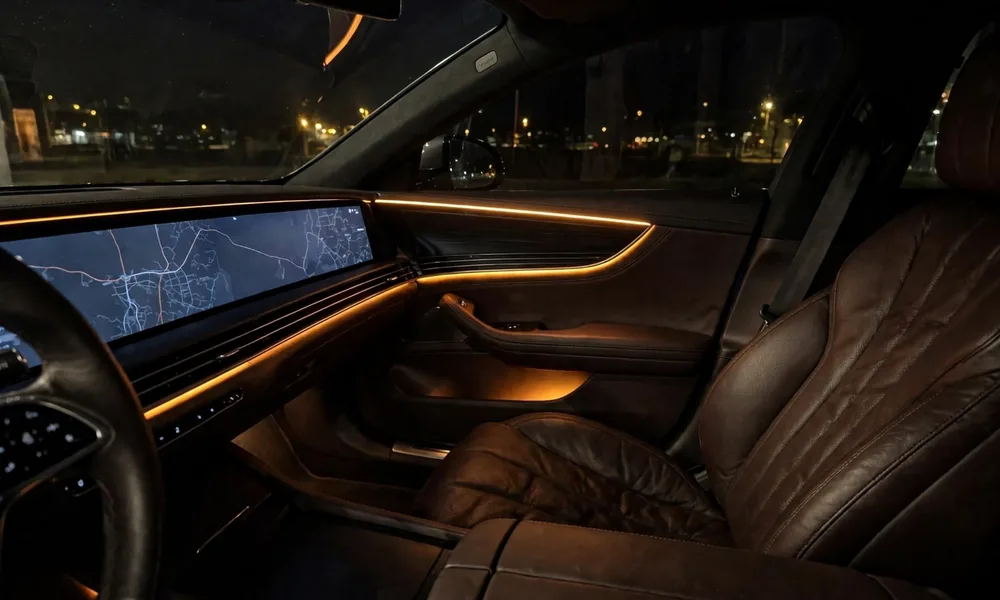
With no engine noise to cover up, the cabin of an electric coupe has to be exceptionally quiet, so engineers fill it with sound-deadening material, use acoustic glass and tune the tyres to keep road noise down. Inside, the design is clean and modern: a wide screen, a small set of controls, seats trimmed in leather or in sustainable materials, and a panoramic roof that lets light flood in. The silence changes the whole feeling of the car. At motorway speed, the loudest sound is often the wind, and a long journey feels calmer than in any petrol car.
Electric Coupe Specifications
| Specification | Typical Luxury Electric Coupe |
|---|---|
| Battery | 80 to 100 kWh lithium-ion |
| Motors | Dual motor, all-wheel drive, 400 to 600 horsepower |
| 0 to 100 km/h | 3.0 to 4.0 seconds |
| Range | 400 to 600 kilometres |
| Fast charging | 10 to 80 percent in around 20 to 30 minutes |
| Top speed | 200 to 250 km/h |
| Weight | 2,000 to 2,300 kilograms |
The Price
A luxury electric coupe costs an estimated $90,000 to $160,000, depending on the battery size, the motors and the interior. Running costs are lower than a petrol coupe, with home charging, fewer moving parts and less servicing coming to an estimated $1,500 to $3,000 a year, though tyres wear faster because of the instant torque and the weight. Many owners charge at home overnight, so the car is full every morning, and they rarely visit a petrol station again.
A Rare Fact
An electric coupe can be faster in reverse than some small cars are going forward, because an electric motor makes the same torque in either direction. The car is limited by software, of course, but the motor itself does not care which way it spins. It is a reminder of how different an electric car really is: there is no engine to warm up, no gears to choose, just a motor that turns when it is told to, in any direction, instantly.
For many owners, the biggest change is not the speed but the routine. The car charges while they sleep, it warms itself before they leave, and it never needs an oil change or a visit to a petrol station. A long journey takes a little planning, with charging stops built into the route, but most owners say they soon stop thinking about it at all. The electric coupe simply becomes part of daily life, quiet, clean and always ready to go.
A luxury electric coupe works by removing almost everything a petrol car needs and replacing it with something simpler and smarter. A battery, two motors and a computer do the work of an engine, a gearbox, a driveshaft and an exhaust, and they do it more quietly and more smoothly. The result is a car that feels like the future every time the pedal is pressed: silent, instant and effortless, with a rush of speed that never needs to shout about itself.