The electric ferry has gone from a Norwegian experiment to the fastest-growing corner of shipping in barely a decade. The first battery ferries were small and cautious. Today the largest carries more than two thousand passengers on a battery bigger than anything on the road, and charging arms at the dock deliver megawatts in minutes. But a ferry is only as good as the yard that built it, and the builders are not all equal.
This ranking judges the brands and builders behind the electric ferry revolution: the yards that design the hulls, integrate the batteries, and deliver ships that actually work in daily service. It is about builders, not individual ferries. A great ferry brand delivers on time, supports the ship for decades, and keeps improving its designs with every hull. The eight below are the ones operators trust with their busiest routes.
How the ranking works
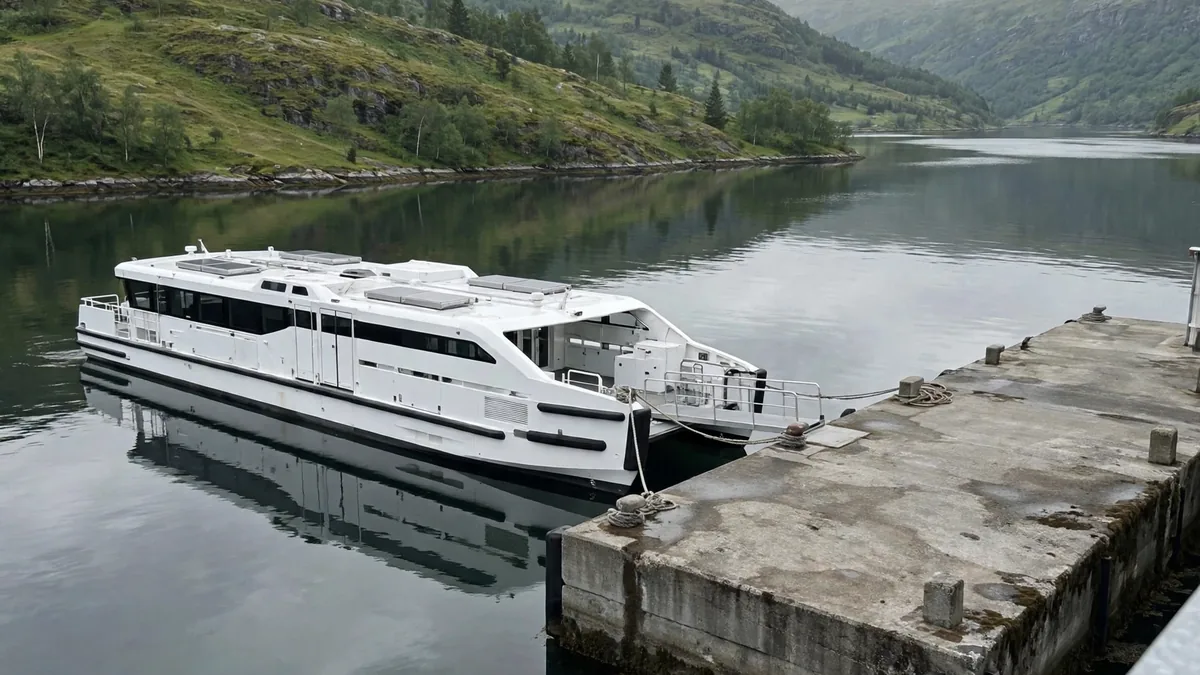
Proven service matters most. A builder that has delivered dozens of battery ferries running every day in all weathers beats one with a single showpiece. Range and charging speed come next, because a ferry that cannot complete its route or recharge between crossings is useless however pretty it looks. Support matters too: ferries work for thirty years, and the builder has to be there for all of them. Finally, innovation: the best builders are still pushing the technology forward, not resting on one successful design.
The 8 Best Electric Ferry Brands, Ranked
1. Incat, Tasmania
Incat is the biggest name in fast ferries, and its electric work is the most ambitious in the world. The Tasmanian yard built the China Zorrilla, the largest battery-electric ship in service, a 130-metre catamaran carrying up to 2,100 passengers and 225 vehicles on a battery of more than 41 megawatt-hours. Incat’s aluminium hulls are light, which matters enormously for a battery ship, and the yard has spent decades refining catamaran designs for rough water. No other builder has delivered an electric ferry at this scale, and no other builder is trusted with so many large orders.
2. Candela, Sweden
Candela builds the smallest ferries on this list and the most radical ones. Its P-12 hydrofoil ferry carries 30 passengers on computer-controlled foils that lift the hull out of the water, cutting drag by around 80 percent and letting a 180-kilowatt-hour battery deliver about 50 nautical miles of range. In Stockholm the P-12 runs as a public ferry, and its cabin measures just 63 to 64 decibels at cruise, quieter than a train carriage. Candela ranks second because it points at the future: small, fast, silent electric ferries that use a fraction of the energy of a conventional boat.
3. Damen Shipyards, Netherlands
Damen is one of the largest shipbuilders in the world, and its electric ferries are the workhorses of the industry. The Dutch yard builds battery ferries for operators across Europe, from small harbour ferries to large double-ended vessels, and its standardised designs let operators order a proven ship rather than a one-off experiment. Damen’s strength is scale and support: with yards and service centres around the world, it can build, deliver, and maintain electric ferries almost anywhere.
4. Fjellstrand, Norway
Fjellstrand built the ferry that started everything. The Norwegian yard delivered Ampere, the world’s first battery-electric car ferry, in 2015, and has been building electric ferries ever since, including the fast passenger ferry Medstraum, which carries 150 passengers at 23 knots. Fjellstrand’s aluminium hulls are light and efficient, and the yard works closely with Norwegian operators who run the most demanding electric ferry routes in the world. It ranks fourth because it pioneered the technology, even if larger yards have since overtaken it on volume.
5. Brødrene Aa, Norway
Brødrene Aa is a small Norwegian yard with an outsized reputation for carbon fibre fast ferries. Its lightweight hulls are ideal for battery power, because every kilogram saved in the hull is a kilogram that can go into batteries or passengers. The yard’s electric ferries serve Norwegian fjord routes where speed and efficiency matter, and its carbon fibre construction gives its ships a range advantage over heavier steel or aluminium rivals. Brødrene Aa is proof that a small specialist yard can out-engineer giants when it focuses on one thing and does it brilliantly.
6. Austal, Australia
Austal is best known for fast aluminium ferries and naval vessels, and it is now applying that expertise to electric propulsion. The Australian yard’s large catamarans are among the fastest ferries in service, and its electric designs promise the same speed with batteries instead of diesel. Austal’s strength is its experience with big, fast aluminium ships and its yards in Australia, the United States, and Asia, which let it build close to its customers. It ranks sixth because its electric fleet is still smaller than the leaders’, but its order book suggests that will change fast.
7. Holland Shipyards Group, Netherlands
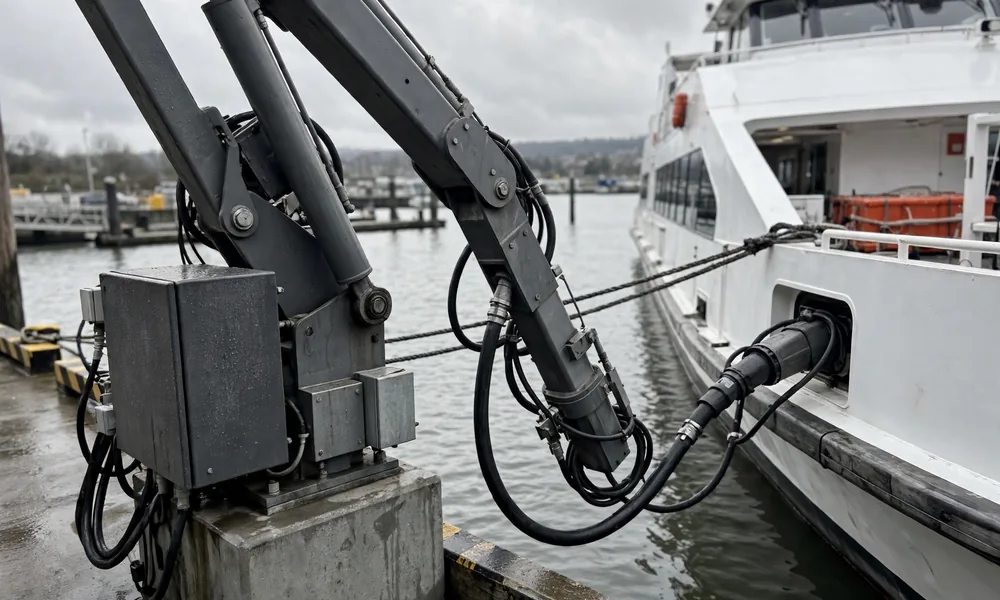
Holland Shipyards Group builds electric and hybrid ferries for Dutch and German operators, including the ferries that cross the rivers and canals of the Netherlands every day. The yard’s designs are practical and proven, with battery systems sized for short crossings and charging at both ends, and it has a strong record of delivering on time and on budget. Holland Shipyards is not the most famous name on this list, but operators who have bought from it tend to come back, which is the best recommendation a builder can get.
8. Wight Shipyard, England
Wight Shipyard, on the Isle of Wight, builds fast ferries for operators around Britain and beyond, and its electric designs are aimed at the short, busy routes where batteries make the most sense. The yard’s hybrid and battery ferries serve island communities that need reliable service in all weathers, and its location on a busy ferry route means its engineers see their ships working every day. Wight ranks last because its electric fleet is the smallest here, but its focus on practical, hard-working ferries for real routes earns it a place.
What operators should ask before ordering
The first question is range on the operator’s actual route, not on a brochure. A ferry that manages 20 nautical miles in calm water on a warm day may manage far less in winter, in rough seas, or fully loaded, so the builder should prove the range with real operating data from a similar ship. The second question is charging: how fast, at what power, and what happens when the charger is down for maintenance. A ferry that needs an hour to charge is useless on a route with twenty-minute turnarounds.
The third question is weight. Batteries are heavy, and a builder that cannot keep the hull light will deliver a ferry that carries fewer passengers or needs a bigger battery to do the same job. Aluminium and carbon fibre hulls cost more than steel, but they pay for themselves in range and payload. Our ranking of the best electric ferries shows what the best individual ships achieve, and the best electric boat brands covers the wider market beyond ferries. For the build itself, our guide to how an electric ferry is made explains the hull, the batteries, and the charging in detail.
The verdict
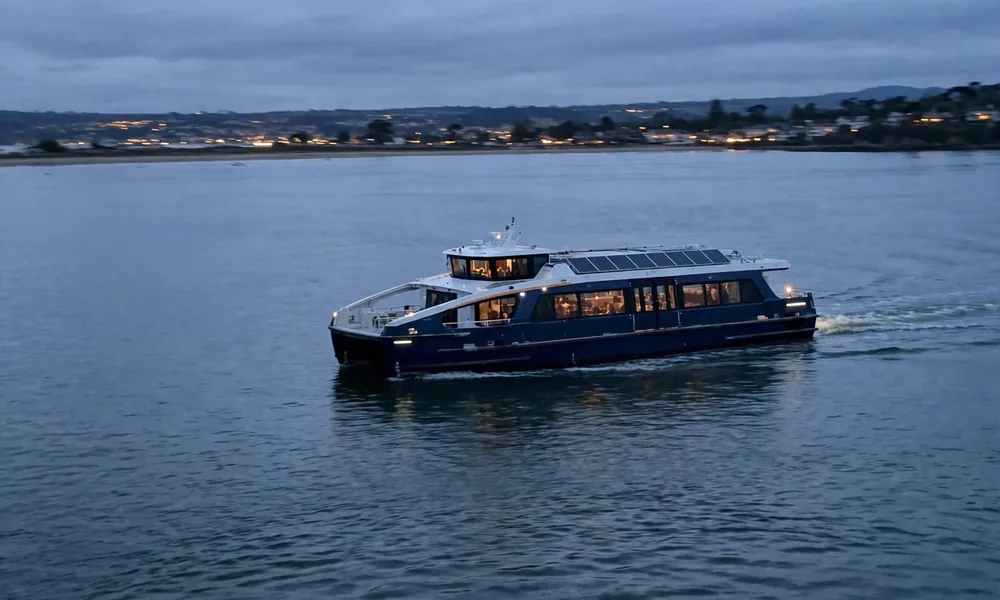
Incat wins because it builds the biggest and most ambitious electric ferries in the world, and it delivers them. Candela wins the future, with hydrofoils that use a fraction of the energy of a conventional ferry. Damen wins the present, with proven designs and global support. But the real winner is the operator: ten years ago there was one electric ferry builder worth calling. Today there are eight, and every one of them can deliver a ship that works.


