On an electric ferry, the seat is the whole journey. The crossing may last twenty minutes or two hours, but the passenger remembers the seat: whether their back ached, whether they could see the water, whether the seat held them steady when the ferry turned into a swell.
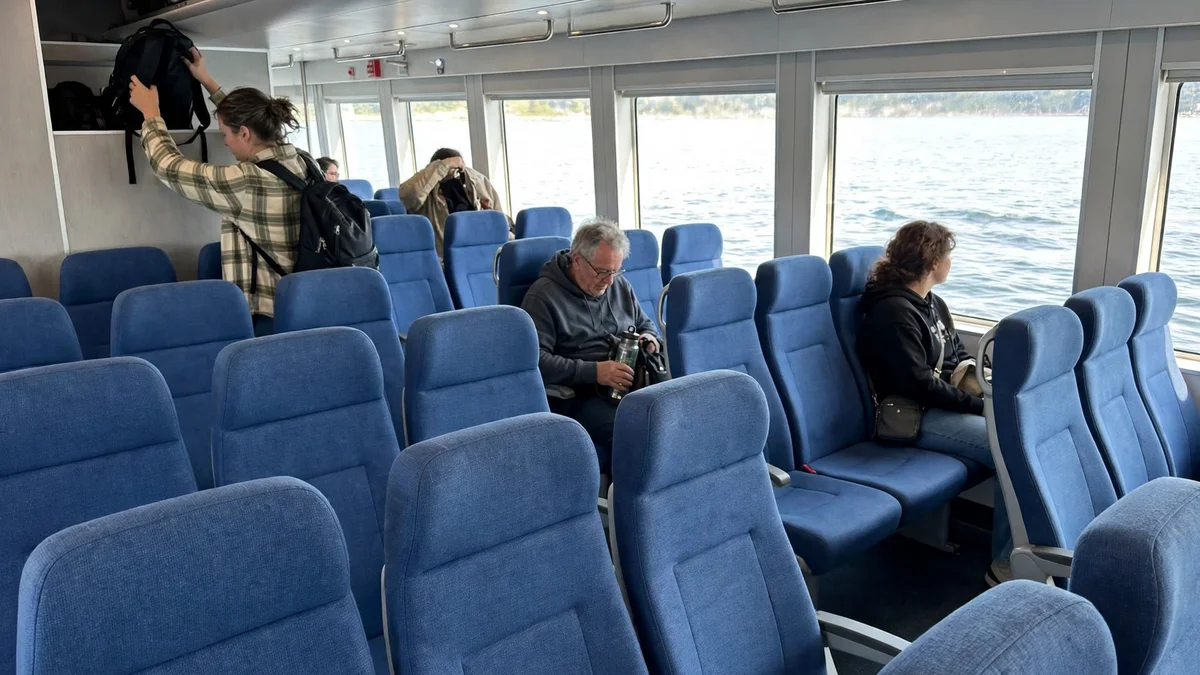
This ranking rates the seats you will actually find on electric ferries, from the simplest benches to the finest lounge chairs. We judged each one on comfort over a full crossing, support when the boat rolls, legroom, durability in salt air and heavy daily use, ease of cleaning between sailings, and how well it suits the route it serves.
How we ranked them
Comfort comes first, because a ferry seat exists to be sat in for the whole crossing. Support comes next: a seat must hold a passenger in place when the ferry heels, without armrests digging in or a slippery surface sliding them sideways. Then legroom, since a seat with no room for knees is miserable on a long route, and durability, since ferry seats take thousands of passengers a week. The best electric ferry interiors, ranked covers the cabin as a whole, and this ranking is about the seat within it.
10. The moulded plastic shell
The moulded plastic shell is the simplest ferry seat there is: a single piece of shaped plastic bolted to the deck, with no padding and no adjustment of any kind. It is also unforgiving. After twenty minutes the hard shell presses into the passenger’s back, and there is no give anywhere.
9. The fixed bench seat
Fixed benches line the sides of many smaller ferries, offering a long padded strip with a low backrest and no dividers between passengers. The problem is that they suit nobody in particular: tall passengers get no head support, short passengers cannot reach the floor comfortably, and strangers sit shoulder to shoulder with no armrest to mark the boundary.
8. The flip-up seat
Flip-up seats fold against the wall when not in use, which frees deck space for wheelchairs, luggage, and bicycles on mixed-use ferries. They are common on routes where the passenger load swings wildly between sailings. The trouble is that they are built to fold, not to sit in: thin padding, a narrow seat pan, and a backrest that flexes under weight. After half an hour the thin padding compresses to nothing, and the passenger is effectively sitting on a board.
7. The standard fixed individual seat
The standard fixed individual seat is the workhorse of the modern electric ferry: a single seat with a shaped back, modest foam padding, and a fixed armrest, bolted in rows facing forward. It gives every passenger their own defined space, which is a real improvement over a bench, and the shaped back offers genuine lumbar support. The weakness is the fixed geometry: the seat suits the average passenger and nobody else, and the padding is usually thin enough to keep weight and cost down.
6. The high-back commuter seat
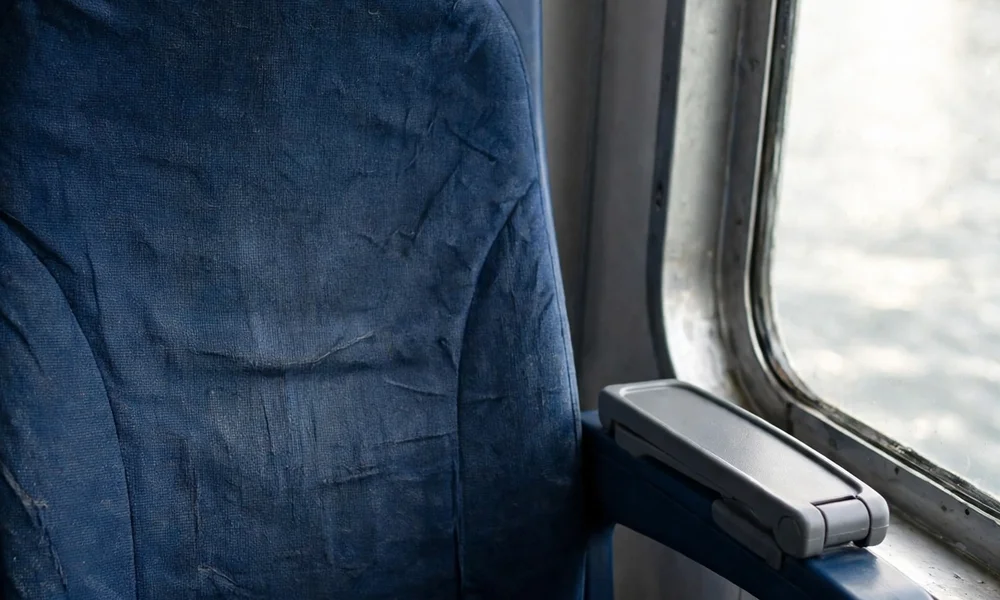
Add a taller backrest, thicker foam, and a headrest to the standard seat and it becomes a much better thing for longer routes. The high back supports the shoulders as well as the lower back, the headrest lets passengers rest without sliding sideways, and the thicker foam survives years of daily use without collapsing. The trade-off is weight and space: high-back seats take more room per passenger, so the ferry carries fewer people.
5. The reclining seat
A reclining seat lets the passenger tilt the backrest a few degrees, which changes everything on a long crossing. A small recline takes the load off the lower back and lets the passenger relax, read, or doze without sliding forward. The best recliners on electric ferries offer a smooth, damped mechanism that does not jam with salt and grit, and a seat pan that tilts with the back so the passenger does not slide.
4. The forward-facing lounge seat
Lounge seats bring a touch of the train and the aeroplane to the ferry: wider cushions, deeper foam, a proper armrest on each side, and a small tray table for a laptop or a coffee. They are usually found in a quieter section of the cabin, away from the doors and the boarding rush. The extra width matters more than it sounds — it lets passengers settle properly instead of perching — and the deeper foam stays comfortable for two hours and more.
3. The panoramic window seat
The panoramic window seat is less a seat design than a seating position done properly: a high-quality reclining seat placed against the ferry’s largest windows, with a raised floor or a tilted angle so the passenger sees the water rather than the window frame. On a scenic route, the view is half the journey, and these seats are the ones passengers choose first and remember longest. The seat itself is a good recliner with deep foam and a headrest; what lifts it to third place is the way the whole position — seat, height, and glass — works together.

2. The premium lounge chair
The premium lounge chair is the ferry seat as a piece of furniture rather than a fixture: a wide, deeply padded chair with a high back, a proper headrest, adjustable lumbar support, and a footrest that folds out for a long crossing. The upholstery is marine-grade fabric that resists stains and salt, the frame is light aluminium rather than heavy steel, and the whole chair is designed to be removed and serviced without dismantling the cabin. Passengers arrive at the other side rested rather than stiff.
1. The custom-fitted ergonomic seat
The best electric ferry seat is one designed for the route and the passenger: custom-fitted, with the seat height, back angle, and cushion density set for the crossing it serves and the people who ride it every day. It combines the support of a high-back seat with the recline of a lounge chair, the grip of quality marine upholstery, and materials that survive sun, salt, and thousands of passengers a week. The best electric ferries, ranked shows how the finest boats are put together, and the best electric ferry batteries, ranked covers the power that makes the quiet crossing possible.
Ferry seat materials: what lasts at sea
The frame of a ferry seat matters as much as its shape. Aluminium frames are light and resist corrosion well, which matters on a boat where every kilogram costs range. Stainless steel is stronger but heavier, and painted mild steel rusts from the inside out and fails without warning. The upholstery matters even more: marine-grade vinyl is the workhorse, because it shrugs off sun, salt, and spray and can be wiped down between sailings. Fabric feels warmer and looks better, but it stains and holds damp unless it is a proper marine weave with a waterproof backing.
The verdict
A ferry seat is not furniture — it is a working position, and the best ones are designed like the rest of the boat: with the sea, the weather, and the human body in mind. If you are choosing a ferry for a long crossing, sit in the seat for five minutes before you look at anything else. The seat will tell you more about the ferry than the brochure ever will.