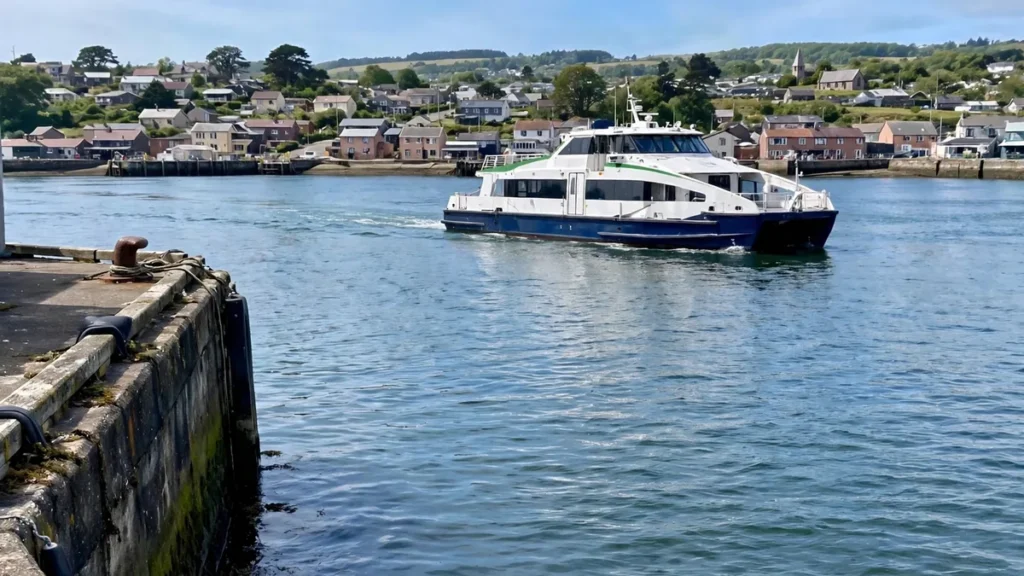
The ferry is the workhorse of the coast: short crossings, hard use, tight timetables, and a crew that cannot afford a breakdown. For a century the diesel engine was the only answer, and it was a good one. Now the battery-electric ferry has arrived, and on the right route it is cheaper, quieter and cleaner than diesel ever was. On the wrong route, it is a very expensive mistake.
This comparison judges diesel and electric ferry propulsion head to head on the things that decide an operator’s choice: cost, range, charging, noise, emissions, maintenance and reliability. There is no single winner. There is a winner for each kind of route, and the art is knowing which route you are running.

Diesel vs Electric: The Head-to-Head
Upfront cost: diesel wins
A diesel ferry is cheaper to buy. The engines are mature, the shipyards know how to build them, and the supply chain is global. An electric ferry costs more up front, because the battery pack is expensive and the charging infrastructure on shore has to be built as well.
Running cost: electric wins
Once the ferry is in service, electric wins decisively. Electricity is cheaper than marine diesel per unit of energy, and the electric drivetrain is far more efficient: the E-ferry project measured around 85 percent energy efficiency for electric propulsion, more than twice that of a traditional diesel engine, where most of the fuel’s energy is lost as heat. An all-electric catamaran in European service has been measured running about 21 percent more cheaply in energy cost than a diesel ferry on the same route. Over a ferry’s working life, the fuel saving alone can repay the higher purchase price.
Range: diesel wins
Diesel wins on range without argument. A diesel ferry can run all day, refuel in minutes and run again, with no thought to distance. An electric ferry is limited by its battery: the Danish E-ferry Ellen sails about 22 nautical miles between charges, which its operators say covers 65 to 80 percent of Nordic ferry routes and at least 900 European routes, but that still leaves the long routes to diesel. For short crossings, electric range is plenty. For long ones, diesel is still the only answer.
Charging and turnaround: diesel wins, for now
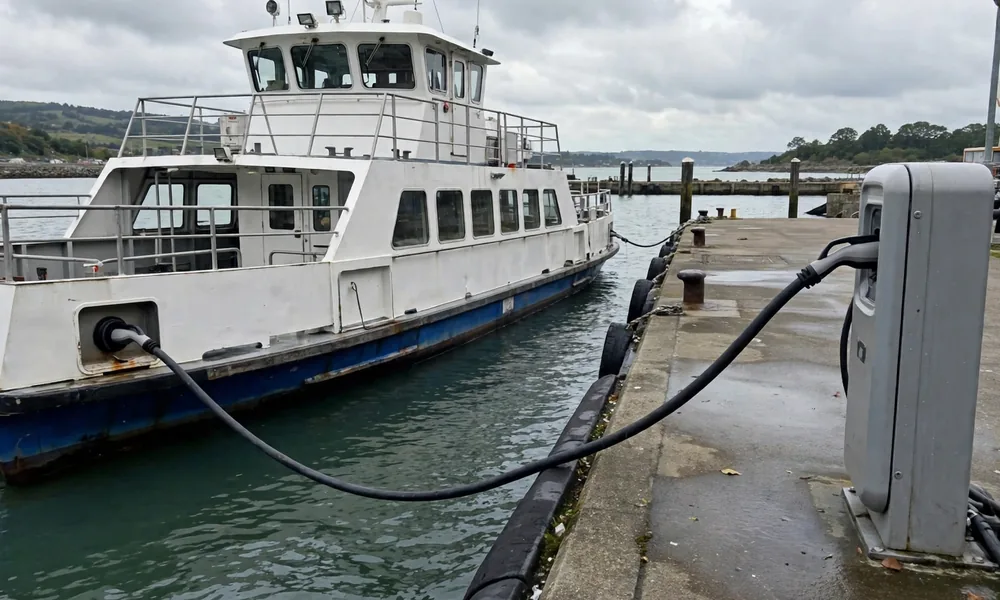
A diesel ferry refuels in minutes and never changes its timetable. An electric ferry must charge at the quay, and charging takes time. The Candela P-12 needs about 45 minutes for a 20 to 80 percent charge at 150 kilowatts, and larger car ferries need megawatt-scale shore power to turn around in the few minutes they spend at the quay. The ABB case study for a 300-passenger, 110-car ferry showed that with 2,400 kilowatts of shore charging and a 1,000 kilowatt-hour battery, an electric ferry could hold a 15-minute crossing timetable with only a few minutes at the quay.
Emissions: electric wins
Electric wins on emissions by the widest margin in this comparison. A battery-electric ferry produces no exhaust at all where it sails, which matters enormously in harbours and fjords where diesel fumes hang in the air. The E-ferry Ellen saves an estimated 2,520 tonnes of carbon dioxide a year compared with the diesel ferry it replaced, and removes more than half a tonne of harmful particles from the air. In Puget Sound, an electric ferry was measured producing only about a quarter of the exhaust of its diesel counterpart. For cities and island communities that breathe their harbour air, that difference is the whole argument.
Noise and vibration: electric wins
An electric ferry glides. There is no engine roar, no vibration through the deck, no diesel throb in the passenger cabin. Passengers notice it immediately, and so do the fish: electric ferries are far quieter underwater, which matters in sensitive marine environments. A diesel ferry is a working machine and it sounds like one, with engine noise that carries across the water and into the towns it serves. For operators running early-morning or late-night crossings past homes, the silence of electric propulsion is worth real money, and for passengers it is simply a better journey.
Maintenance: electric wins
An electric motor has one moving part. A diesel engine has hundreds, and every one of them needs servicing, oil, filters and eventual replacement. Electric ferries have lower maintenance costs because there is less to wear out, less to break and less to keep in stock. The motors need little more than bearing checks, and the battery management system watches itself. Diesel engines, by contrast, need regular overhauls, and a failure at sea is a serious event. Over a ferry’s life, the maintenance saving is one of the largest parts of the electric case.
Reliability and flexibility: diesel wins
Diesel is the most flexible fuel in the world. A diesel ferry can be diverted, can run extra crossings, can keep going when the grid fails, and can refuel anywhere there is a fuel barge. An electric ferry depends on the shore grid, and if the charging station fails or the power goes out, the ferry does not sail. For an operator running a lifeline service to an island, where a missed sailing strands people, that dependence is a real risk, and it is the strongest argument diesel still has.
The hybrid middle ground
Many operators are choosing neither pure diesel nor pure electric, but a hybrid. A hybrid ferry runs on batteries in harbour and on diesel at sea, or uses diesel generators to charge batteries that drive electric motors. Hybrids cut fuel use and emissions without giving up range, and they let an operator electrify gradually, route by route.
The verdict
On short, frequent crossings with charging at both ends, electric wins, and it is not close: cheaper to run, cleaner, quieter and simpler to maintain. On long routes, remote islands and lifeline services, diesel still wins, because range and flexibility matter more than anything else. The sensible operator does not pick a side. They pick the right propulsion for each route, and let the timetable decide.

What Operators Should Do Next
The first step is to measure the route, not the brochure. A crossing under 30 minutes with a few minutes at each end is an electric route, and the best electric ferries ranked show what the current generation can do on exactly those crossings. A longer route with no charging infrastructure is a diesel route for now, and the way ferry propulsion works explains why hull speed and route length decide the answer before any battery is sized.
The second step is to build the shore power first. The ferry is the easy part; the charging station, the grid connection and the automatic connection system are the hard part, and the way electric ferry charging works shows why a charger that connects in seconds is the difference between holding a timetable and losing it. Diesel will keep running the long routes for years yet, but the short crossings are already electric, and the map of electric routes grows every year.