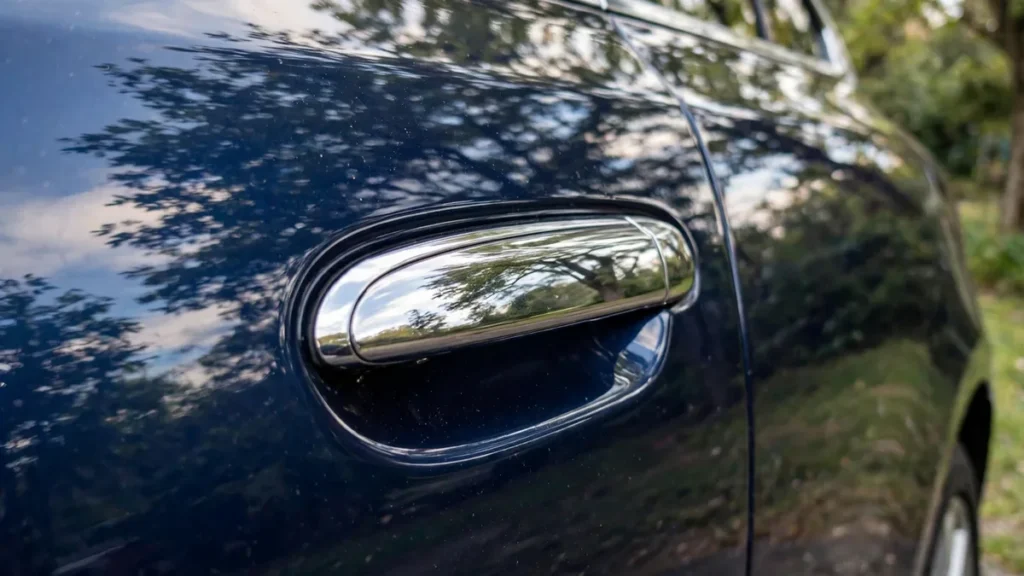
Open the door of a luxury car and the first thing you notice is not the dashboard or the screens. It is the smell, warm and rich, and the way the seat gives softly under your hand, the leather cool at first and then warming to your skin.
That leather began its life as a raw hide, rough and stiff, and it passed through the hands of tanners, dyers, cutters and stitchers before it ever touched a car. This is how luxury car leather is made, from the farm to the cabin.

How It’s Made
Step 1: The hides are chosen and graded
It starts with the hide, and the choosing is ruthless. Tanners buy hides from cattle raised in cool climates, where the animals suffer fewer insect bites and barbed wire scratches, because every mark on the skin will show in the finished leather. A hide with too many scars is rejected outright, however good the rest of it looks.
Each hide is then graded by hand. An inspector spreads it on a table under bright light and runs a palm across it, feeling for thin spots, brands and healed cuts. Only the cleanest part of the hide, the centre, is used for the seats you sit on; the edges and marked areas are cut away for hidden panels or rejected entirely.
Step 2: The hides are tanned and dyed
Tanning turns a perishable skin into leather that will last for decades. The hides are soaked, cleaned and treated with tanning agents that lock the fibres together so the skin will not rot or stiffen. Luxury car leather is usually chrome tanned for softness, then re-tanned with vegetable extracts for body and scent.
Then comes the dye. The hides are tumbled in large drums with dyes that soak right through the skin, rather than sitting on the surface like paint, so a scratch will not show a pale line underneath. The colour is matched to a sample the car maker approved months earlier, and each batch is checked against it in daylight before it is allowed to move on.

Step 3: The leather is cut by hand and machine
Cutting is where the leather meets the seat. Patterns for every panel of every seat are laid out on the hide, and the cutter works around the natural flaws, placing the best pieces where they will be seen and touched most. A computer nests the patterns to save leather, but the final placement is still human.
The cutting itself is done with a sharp knife or a die press, and the grain direction matters: leather stretches slightly more one way than the other, so each panel is cut so it will stretch the right way when it is pulled over the seat foam. A panel cut the wrong way will wrinkle within a year, so the cutters mark the direction on every piece.
Step 4: The panels are stitched and perforated
With the panels cut, the stitching begins. On a luxury car the stitching is part of the design, not just a join: contrast thread in a neat diamond pattern across a seat back can take a single stitcher an hour or more. The seams are sewn with heavy thread that will not snap, and the stitch length is checked constantly, because uneven stitching is visible from the door.
Some panels are perforated, punched with thousands of tiny holes that let the seat breathe and let the heating and cooling systems work through the leather. The holes are cut by machine in a precise pattern, and each one is checked to be clean, with no torn edges that could catch and grow.
Step 5: The leather is fitted to the seat frame
The stitched covers are pulled over the seat foam and frame, and this is where the leather earns its fit. Workers stretch each cover by hand, smoothing it over the bolsters and easing out every wrinkle, then clip and hog ring it to the frame underneath. The foam is shaped to support the body, and the leather must follow its curves exactly, with no bagging and no tight spots.
Then the seat is checked from every angle. The stitcher looks at the lines where panels meet, checking that the diamonds line up across the seams, and presses the leather to make sure it is drum tight in the right places and soft where the body rests. A seat that fails the check is stripped and refitted, because a wrinkle now will only grow worse with use.
Step 6: The finish is conditioned and inspected
The last step is the finish. The leather is cleaned, conditioned with a light dressing that keeps it supple, and inspected under bright light for the final time. The inspector checks the colour against the sample, runs a hand over every panel, and looks at the stitching one last time before the seat is signed off.
The finished seats are wrapped in protective covers for the journey to the assembly line, so nothing can scuff them before the car is built. By the time the owner first opens the door, the leather has been touched by dozens of hands and checked almost as many times, and it still smells faintly of the tannery.
| Spec | Detail |
|---|---|
| Hide | Cool climate cattle hides, hand graded, only the clean centre used for seating |
| Tanning | Chrome tanning for softness, then vegetable re-tanning for body and scent |
| Dye | Drum dyed right through the skin, colour matched to the approved sample |
| Stitching | Heavy thread, even stitch length, diamond patterns sewn by hand |
| Perforation | Thousands of tiny machine punched holes for breathing, heating and cooling |
| Conditioning | Light dressing to keep the leather supple, final daylight colour and stitch check |
The hardest part of luxury leather is that no two hides are alike. A machine can cut and stitch, but only a person can look at a hide and decide which part deserves to be the centre of a seat and which part should be cut away. That judgement, repeated hundreds of times a day, is what the owner feels every time they sit down.
What One Costs
A full luxury leather interior typically adds an estimated $3,000 to $15,000 to the price of the car, set mostly by the grade of hide and the amount of hand stitching. A standard leather trim sits near the bottom, while a hand stitched semi-aniline interior in a flagship model costs far more. For what that leather is worth inside the cabin, why a luxury car interior is so expensive breaks down where the money goes, and the best hypercar interior materials, ranked shows how leather compares with the alternatives.
A Rare Fact
A single luxury car interior can use the leather of five or six whole cattle, yet only the clean centre of each hide is good enough for the seats. The rest is cut away or used for hidden panels, which is why a luxury interior needs so many hides for so little visible leather.
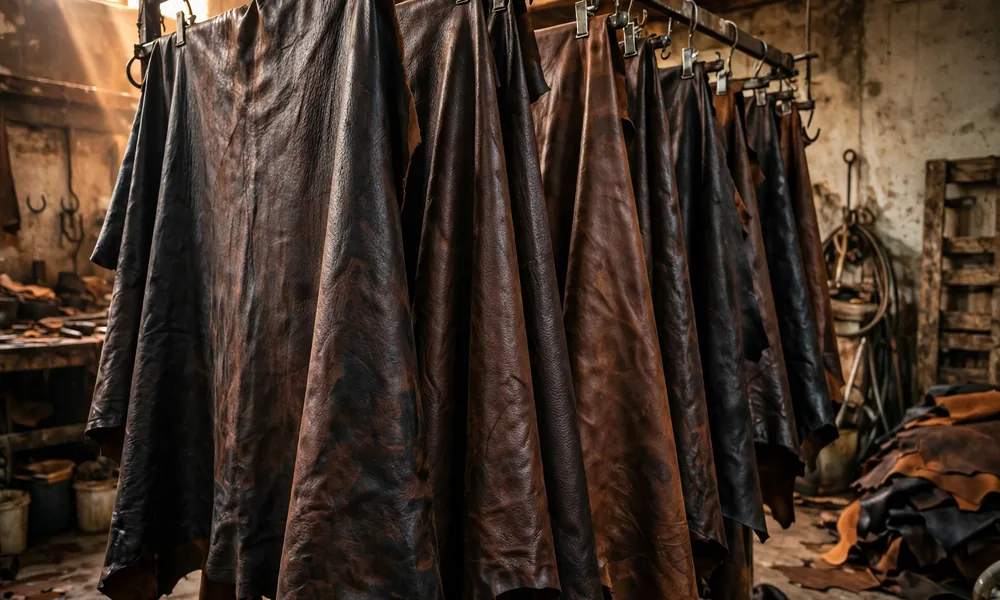
Luxury car leather is a farm product finished like a piece of tailoring: graded by hand, tanned and dyed through, cut around every flaw, stitched in careful patterns and fitted until it sits drum tight. It is the part of the car the owner touches most, and it is made to feel that way for decades. For the seat it covers, how a luxury car seat is made follows the frame, foam and stitching from the workshop to the cabin.