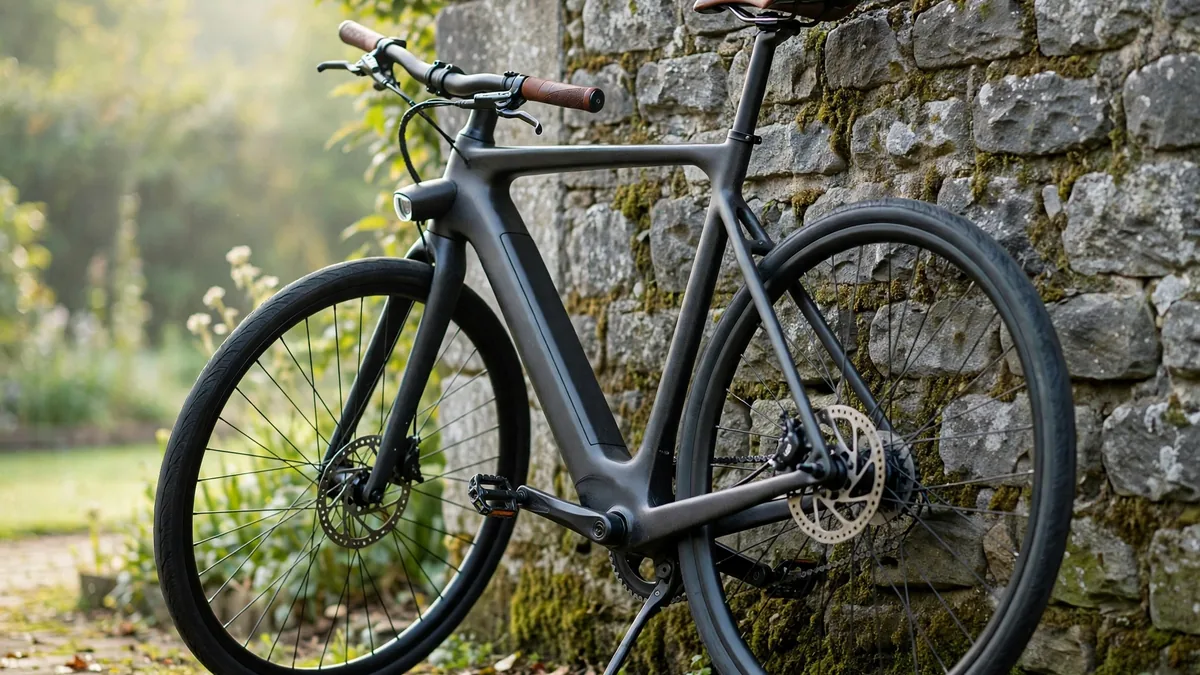
A luxury electric bike is a magic trick you can ride. It looks like an ordinary bicycle, slim and quiet, with no bulky battery box and no obvious motor. Then you press the pedal, and a silent push carries you up a hill you would normally walk, at a speed that feels unfair and effortless. The trick is not one invention but dozens of small ones, fitted into a frame that weighs less than a suitcase.
Building that trick takes a very different kind of factory from a car plant. There is no giant press shop and no paint oven the size of a house. Instead there are small benches, careful hands, torque wrenches, and test rigs that spin each wheel for hours before the bike ever meets a road. Here is how a luxury electric bike is made, from the first tube of metal to the first silent hill climb.
How It’s Made
Step 1: A frame that hides everything
The bike starts with the frame, and on a luxury electric bike the frame is the whole design. It is usually drawn from aluminium, titanium or carbon fibre, shaped so the battery slides inside the down tube and the motor sits invisibly in the rear hub or at the crank. The tubes are cut, mitred and welded or bonded with the precision of a watch case, because a millimetre out of alignment will show up as a wobble at speed. Carbon frames are laid up by hand, layer by layer, in a mould, then cured in an oven until the resin hardens into a structure lighter than aluminium and stronger than steel.
Step 2: The battery, built cell by cell
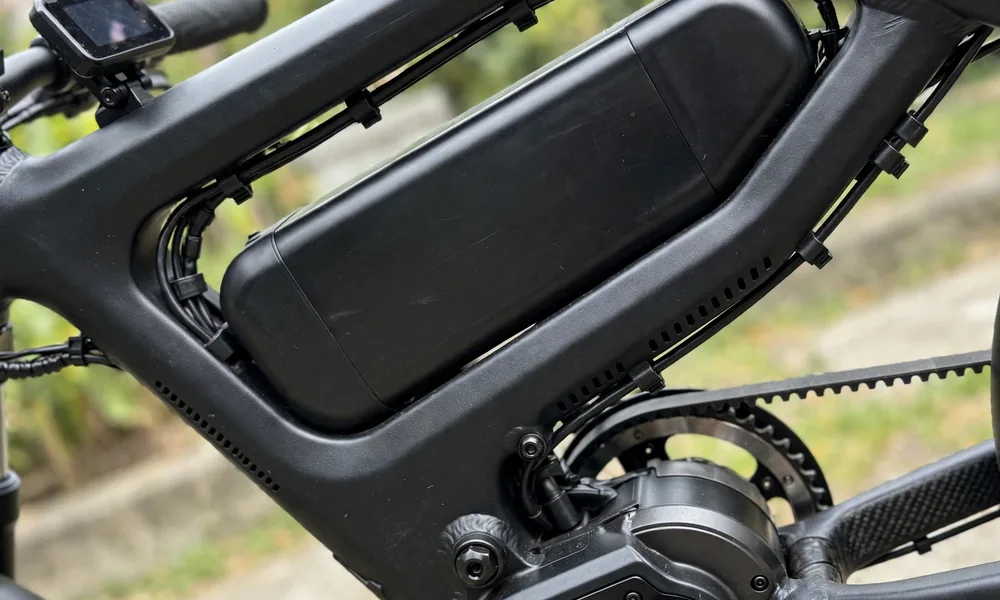
The battery is the most expensive part of the bike, and it is built like a small piece of engineering jewellery. Hundreds of cylindrical lithium cells are sorted by capacity, welded into a pack with nickel strips, and sealed inside a slim aluminium case that slides into the frame. A small computer, the battery management system, watches every cell, balancing the charge, cutting the power if the pack gets too hot, and reporting the remaining range to the handlebar display. The pack is tested for water resistance, because a bike lives in the rain, and it is charged and discharged several times before it is allowed into a frame, so that any weak cell shows up in the factory rather than on a ride.
Step 3: The motor and the silent push
The motor on a luxury electric bike is deliberately small and quiet. A hub motor hides inside the rear wheel, while a mid-drive motor sits at the crank and drives the chain directly, and both are chosen for smoothness rather than brute force. The motor is paired with a torque sensor in the crank, which measures how hard the rider is pedalling, hundreds of times a second, and adds exactly the right amount of help. That is what makes a good electric bike feel natural rather than jerky, the push arrives in proportion to the effort, and it fades away gently as the rider reaches the legal speed limit.
Step 4: Brakes, gears and the parts you touch
With the frame, battery and motor in place, the bike gets the parts the rider actually touches. Hydraulic disc brakes, with large rotors to stop a heavy bike safely, are bled by hand until the lever feels firm. The gears are either a quiet belt drive, which never needs oil, or a precise derailleur with a wide range for steep hills. The saddle, grips and handlebars are chosen for comfort on long rides, and the display is fitted to the bars, a small screen that shows speed, range and battery level without distracting the rider. Every bolt is tightened to a set torque with a calibrated wrench, and the torque values are recorded, because on a bike that assists at speed, a loose bolt is not a rattle, it is a risk.
Step 5: Wiring, software and the first power-on
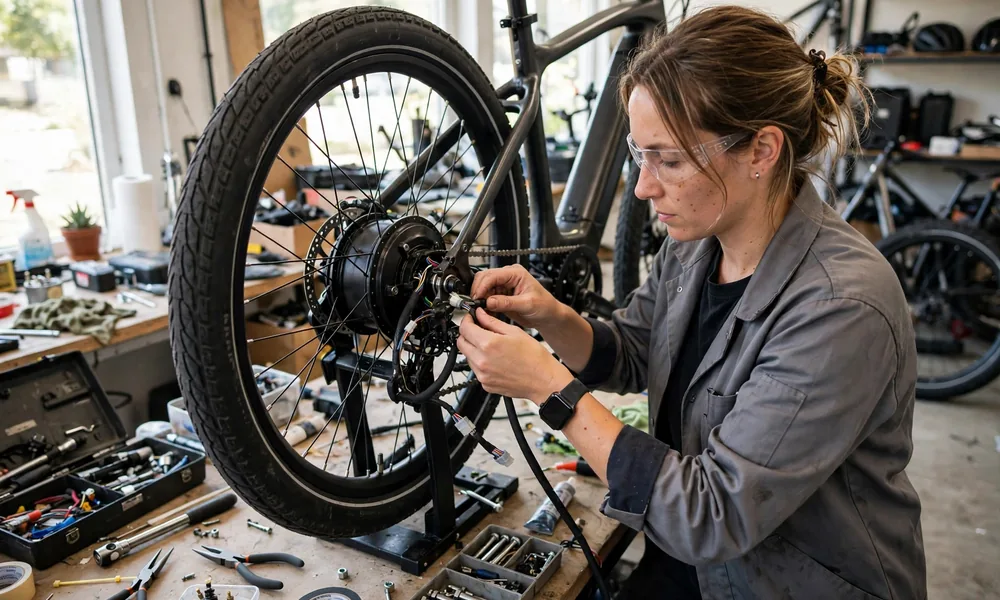
An electric bike is also a computer, and the wiring is the part nobody sees. Cables run inside the frame, through sealed ports, connecting the battery, motor, sensor, display and lights into one system. The software is loaded and tuned, setting the assist levels, the speed limit and the way the motor responds to the rider, and the bike is updated over the air like a phone. When the system is powered on for the first time, the technician checks every sensor, spins the wheel on a stand, and watches the motor respond to the pedals, a quiet hum that means the bike is alive.
Step 6: The test ride and the final polish
No luxury electric bike leaves the factory without a test ride. A tester rides it through the gears, brakes hard from speed, climbs a steep ramp, and listens for the smallest rattle or creak, because a noise the factory misses will be the first thing the owner hears. Only then is it cleaned, polished and packed, often in a box designed so the owner can assemble it with two tools in ten minutes. The first hill the owner climbs will feel effortless, and that is exactly the point.
Key Specifications
The figures below describe a typical current luxury electric bike; individual models vary.
| Specification | Typical figure |
|---|---|
| Frame material | Carbon fibre, titanium or aluminium |
| Weight | 16 to 22 kilograms |
| Motor | 250 watts, hub or mid-drive |
| Battery | 500 to 700 watt-hours |
| Range | 80 to 140 kilometres |
| Top assisted speed | 25 kilometres per hour |
| Drivetrain | Belt drive or 11-speed derailleur |
| Brakes | Hydraulic disc brakes, 180 mm rotors |
How Much Does It Cost?
A luxury electric bike typically costs from around $5,000 to $12,000, depending on the frame material, the battery size and the finish. That is an estimate based on current premium electric bikes from specialist builders, and the price can rise further with a titanium frame, a custom paint job or handmade wheels. Most of the cost sits in the frame, the battery and the motor system, which together make up most of the bike. To see the bike at work once it leaves the workshop, read how a luxury electric bike works on the road. For the numbers behind the design, the luxury electric bike specs explained breaks them down in plain language. And how a luxury electric scooter is made shows how a close cousin is built.
A Rare Fact
Here is something few riders ever learn: the battery in a luxury electric bike is tested more thoroughly than the battery in many small cars. Each cell is graded, matched and monitored for its entire life, and the pack is designed so that a single failing cell cannot take the whole battery down with it. Some premium packs can survive being ridden through deep puddles and left in a cold garage all winter, then still deliver nearly their full range in spring. It is the invisible care inside the frame that lets the bike feel so simple from the saddle.
A luxury electric bike is not a motorcycle with pedals. It is a bicycle made better, a frame, a battery and a motor tuned so finely that the machine disappears and only the ride is left. When the road tilts upwards and the push arrives, quiet and exactly right, the years of engineering in the workshop turn into something simple, a hill that feels flat, and a ride that feels like flying.


