The rain is drumming on the metal roof of the factory when the chassis rolls in, a long bare frame on six wheels with nothing on it but a cab and a steering wheel. It looks more like the skeleton of a truck than the start of a home, and in a way that is exactly what it is. Over the next few weeks, a team of joiners, electricians, plumbers, and upholsterers will turn this frame into a place where a family can sleep, cook, shower, and watch the sunset from a sofa, all while driving down a motorway at seventy miles an hour.
A luxury motorhome is one of the strangest machines a factory can build, because it has to be two things at once. It must survive potholes, crosswinds, and twenty years of vibration like a commercial vehicle, and it must feel like a small apartment, quiet, warm, and beautifully finished, like a boutique hotel room. Each motorhome is built around a single chassis, and each buyer has different ideas about what matters: a bigger bed, a proper kitchen, a garage for bicycles.
The factory floor tells the story at a glance. On one side, steel frames and wall panels wait in neat stacks, cut to the millimetre by computer-guided saws. On the other, rolls of leather, pale oak veneer, and soft carpet stand ready for the interior team.
How It’s Made
Every luxury motorhome follows the same broad sequence, from a bare chassis to a finished vehicle that can be driven away and lived in the same day. The order matters, because the shell must be sealed and watertight before the furniture goes in, and the wiring must be finished before the walls are closed up. Here is how a luxury motorhome is built, step by step.
1. Choosing and preparing the chassis. The build starts with a heavy-duty chassis from a truck maker, chosen for the weight it must carry and the length of the body that will sit on it. The factory checks the frame for straightness, fits a reinforced subframe to spread the load, and mounts the fuel tank, exhaust, and suspension parts that the body will hide.
2. Building the floor and walls. The floor is a sandwich of plywood, foam insulation, and a tough underside skin, bonded together under pressure so it stays flat and warm. The walls are built the same way, in large panels that are glued and screwed to an aluminium frame, then sealed at every joint. Insulation matters more than it looks: a well-insulated motorhome stays warm on a cold night without running the heater all night, and stays cool in summer sun. Windows and the habitation door are cut into the panels and fitted with rubber seals before the panels leave the bench. The panels are checked for flatness first, because a wall that is even slightly bowed will show in the finished interior.
3. Fitting the roof and sealing the shell. The roof is a single curved panel, lifted into place by a small crane and bonded to the walls with a flexible adhesive that allows for movement as the vehicle flexes on the road. Every seam is then sealed by hand, and the whole shell is tested with a fine water spray while a worker inside watches for the smallest drip. A leak found here costs minutes to fix; a leak found after the interior is fitted costs days. The craft that goes into a luxury cruise ship suite follows the same rule, that the shell must be perfect before the beautiful work begins.
4. Installing the wiring, plumbing, and heating. With the shell sealed, the electricians run the wiring for lights, sockets, the control panel, and the leisure batteries that power the living area when the engine is off. Plumbers fit the fresh-water tank, the waste tank, the water heater, and the pipes to the kitchen and bathroom, while the heating team installs a blown-air system with vents in every corner.
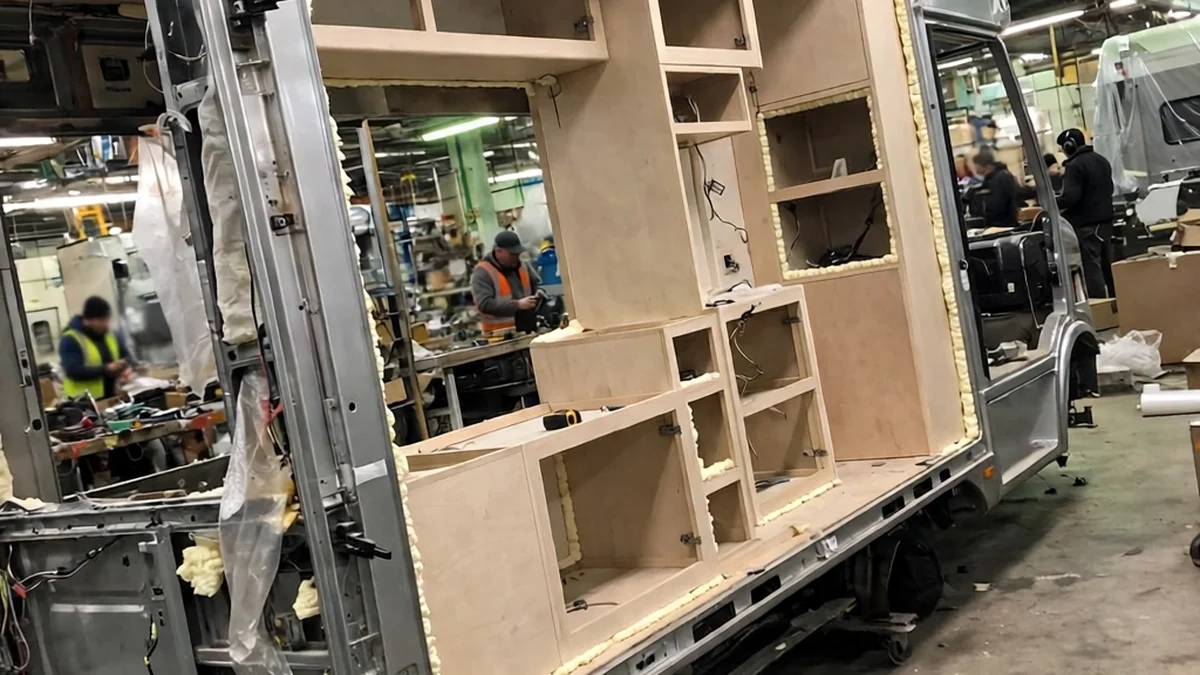
5. Building the furniture and kitchen. The interior is built from lightweight plywood faced with pale wood veneer, cut on computer-guided machines and assembled into cupboards, beds, and seating that lock together like a puzzle. The kitchen gets a hob, a sink, a compressor fridge, and worktops that resist heat and scratches, while the washroom gets a shower tray, a swivel toilet, and a mirror that hides a cabinet.
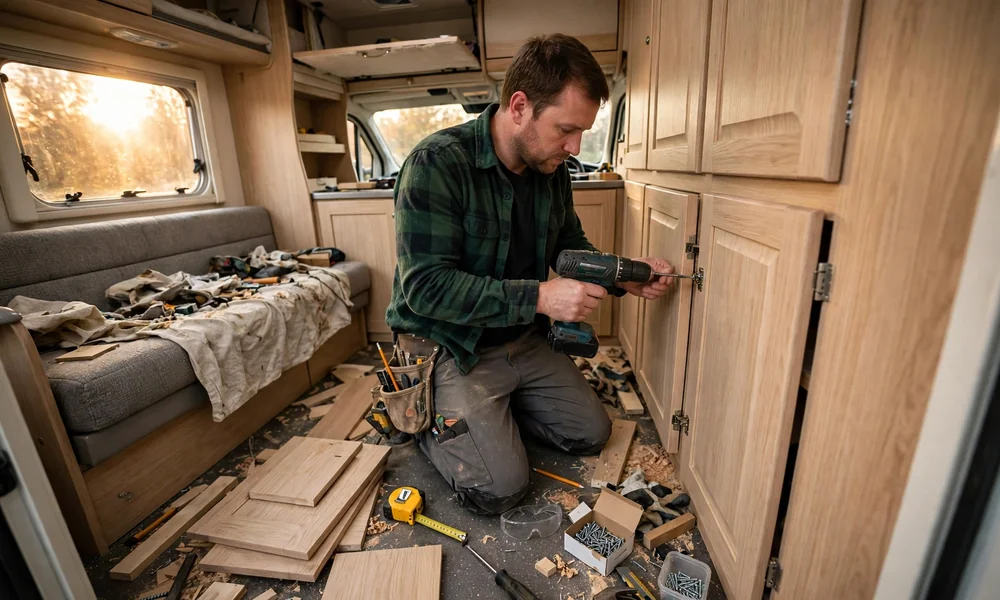
6. Fitting the upholstery, flooring, and details. Once the furniture is in, the soft work begins. Seats and beds are covered in leather or hard-wearing fabric, the floor is laid in wood-effect vinyl, and curtains, blinds, and reading lights are fitted at every window. The way a large expedition yacht is specified for life far from shore shares this logic: storage in every spare corner, lighting that can be dimmed, and materials chosen to survive daily use.
7. Testing, road trials, and the final check. A finished motorhome is tested like a house and a truck at the same time. The water system is filled and pressurised, the gas and electrics are checked by certified inspectors, and every appliance is run through a full cycle. Then the motorhome goes out on the road, over speed bumps and rough lanes, while a tester listens for rattles and watches the dashboard for warnings. The hybrid systems used in modern boats show the same thinking about backup power, and a motorhome gets the same treatment: if something can fail on a trip, it is tested until it does not.
Specifications
| Detail | Typical figure |
|---|---|
| Length overall | 7 to 9 metres |
| Berths | 2 to 4 people |
| Body construction | Aluminium frame, insulated sandwich panels |
| Fresh-water tank | 100 to 150 litres |
| Leisure battery | 200 to 400 amp-hours, lithium |
| Engine | 2.0 to 3.0 litre diesel, 160 to 210 hp |
| Maximum weight | 3,500 to 5,500 kg |
| Build time | 6 to 10 weeks |
Price
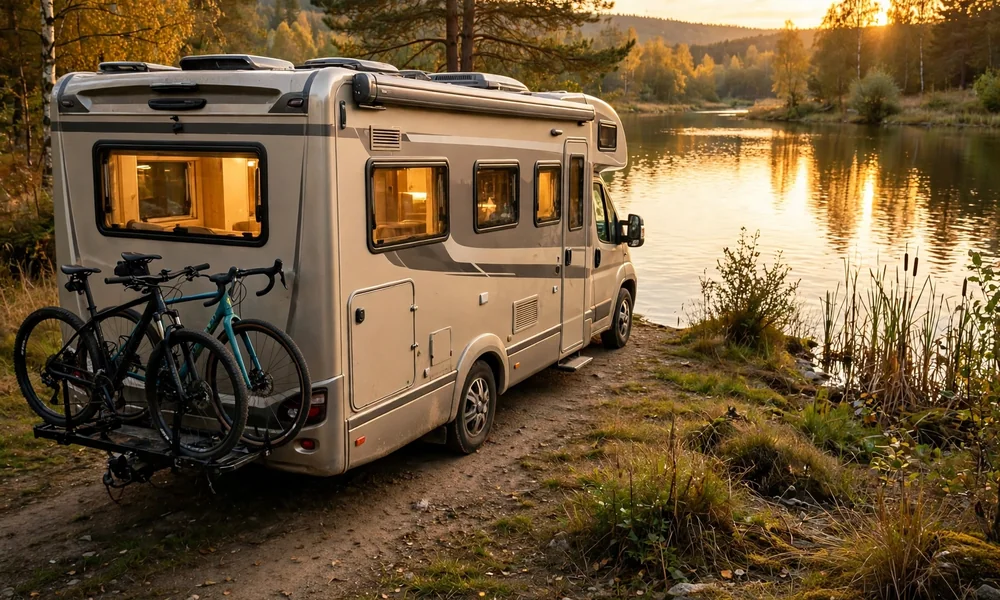
A new luxury motorhome is estimated at roughly $150,000 to $350,000, depending on its size, the chassis it is built on, and the level of the interior finish. A compact two-berth model on a standard chassis sits near the lower end, while a large four-berth model with a slide-out living area, a full-size kitchen, and leather throughout can pass the upper end. These are estimates, not quotes, and the price does not include the extras buyers often add: an awning, a bike rack, solar panels, or an upgraded battery system. Buyers who order early often wait months for a build slot, because the best factories only finish a handful of motorhomes each week.
Running costs are estimated at roughly $5,000 to $10,000 a year, covering insurance, servicing for the engine and the living area, and replacement of tyres and batteries on schedule. Fuel is the largest day-to-day cost, and a heavy motorhome uses far more of it than a car, so owners who tour widely budget carefully.
A Rare Fact
The first motorhomes were built by hand in the 1910s, when wealthy travellers bolted a wooden caravan body onto a car chassis and set off with a stove, a bed, and a great deal of patience. Modern motorhomes are far more comfortable, but the idea has not changed: a motorhome exists so that a handful of people can take their home with them wherever the road goes, and wake up somewhere new without ever packing a bag.