At 45,000 feet, the air outside is thin enough to kill, and cold enough to freeze fuel solid. Inside a private jet, passengers sip coffee in shirtsleeves, watching the curve of the earth through a window the size of a television. The gap between those two worlds is a thin aluminium skin and a set of systems that never stop working.
A private jet is not simply a small airliner. It is built to climb higher, fly faster and land at smaller airports than the big jets, and to do it with a handful of people on board in complete comfort. This is how a luxury private jet works, from the engines that push it to the cabin systems that keep everyone breathing easily.
How It Works
Step 1: The engines make the thrust
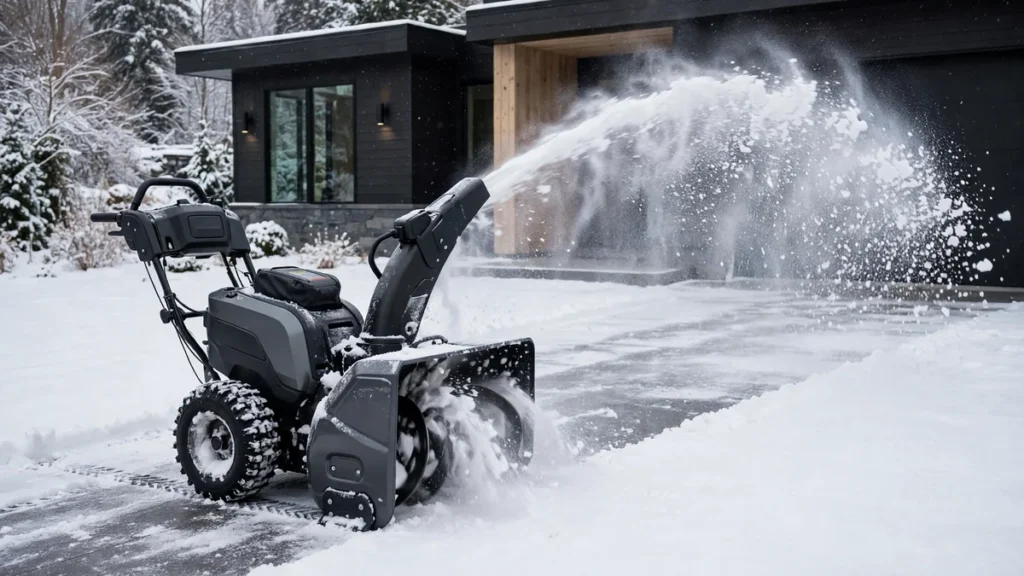
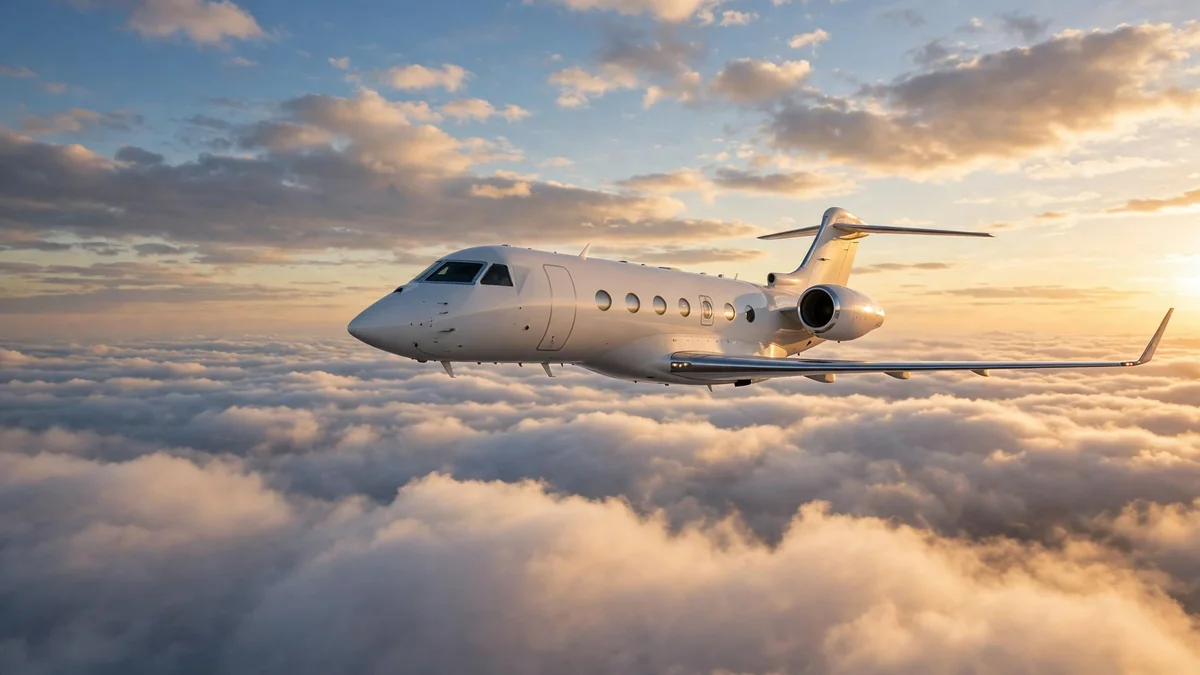
Everything starts with the two turbofan engines mounted at the rear of the fuselage. Air rushes into the front fan, and most of it is pushed straight out the back, giving the jet its push, while a smaller part is squeezed, mixed with fuel and burned to spin the fan itself. A private jet’s engines are smaller than an airliner’s, but they are built to the same standards, and they are powerful enough to lift the aircraft to its cruising height in under twenty minutes. The engines also do more than push: they drive generators that make the aircraft’s electricity, and they supply the hot compressed air that heats and pressurises the cabin. If one engine fails, the other alone is strong enough to keep the jet flying and land it safely.
Step 2: The wing turns speed into lift
The wing is what holds the jet up, and it works by turning the aircraft’s speed into lift. Air flows faster over the curved top of the wing than underneath it, and that difference in pressure pulls the wing upwards, carrying the whole aircraft with it. A private jet’s wing is swept back, which lets it fly fast without the air breaking into shock waves, and it carries flaps and slats that slide out for takeoff and landing, giving the wing more lift at low speed so the jet can use short runways. The way a private jet is made shapes this wing from the start, because its size and sweep decide everything about how the aircraft flies.
Step 3: The cabin is pressurised and kept warm
At 45,000 feet the outside air pressure is only about a fifth of what it is at sea level, so the cabin must be sealed and pumped full of air to keep passengers comfortable. Bleed air from the engines is cooled, filtered and fed into the cabin, holding the pressure at the level of a mountain town rather than a mountaintop, and the system is checked constantly by computers that watch for the smallest leak. The same air is warmed, because the temperature outside can be minus fifty degrees, and it is humidified just enough that the cabin does not feel like a desert. The result is a cabin that feels like a quiet room, even though the skin of the aircraft is carrying a pressure difference that would flatten a car tyre.
Step 4: The pilots fly by wire and glass
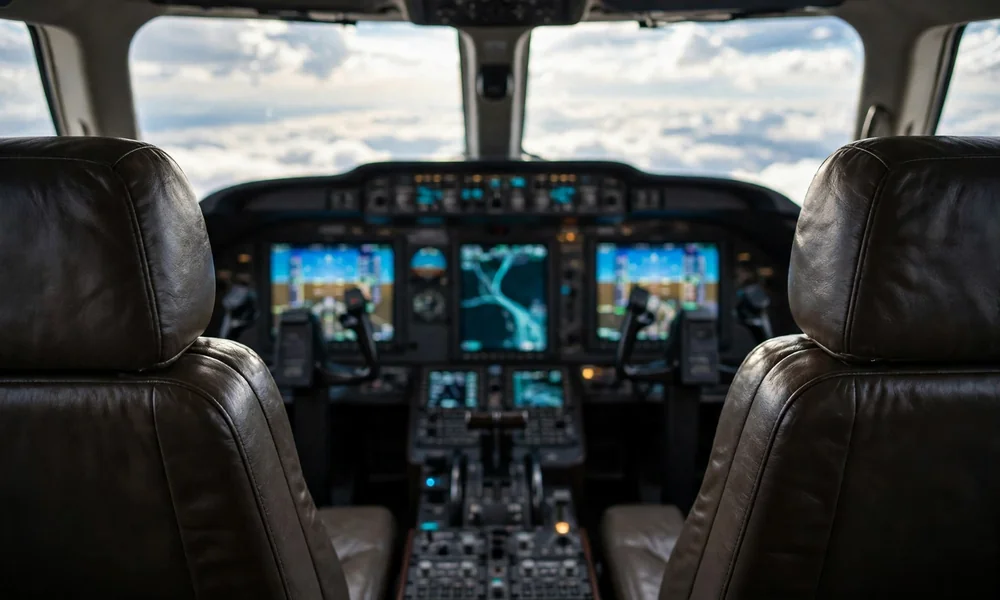
The cockpit of a modern private jet is a wall of glass screens, and the pilots fly it with a sidestick or yoke that talks to computers rather than pulling cables. Those computers move the control surfaces, watch the engines, and warn the pilots long before a small problem becomes a big one. The autopilot can fly the jet from just after takeoff to just before landing, following a route the pilots programmed before departure, and it can land the aircraft itself in thick fog. The pilots are still in charge, and they train for the day the computers fail, but on a normal flight the glass cockpit does the routine work while they watch the sky, the weather and the fuel.
Step 5: The fuel system feeds the engines
Fuel lives in tanks inside the wings, which keeps it away from the cabin and lets its weight sit where the lift is made. Pumps move fuel from tank to tank as it burns off, keeping the aircraft balanced, and heaters stop the fuel from waxing in the cold at altitude. A private jet carries enough fuel to cross a continent, and the pilots watch the burn rate constantly, because the difference between arriving with a comfortable reserve and arriving on fumes is a decision made hours earlier. The private jet cabin may be the part passengers remember, but the fuel system is the part that decides whether the trip ends at the planned airport or a diversion.
Step 6: The landing gear brings it home
For landing, the jet slows, the flaps and slats come out, and the landing gear swings down from the belly and locks into place. The gear is built to absorb a landing that is harder than the pilots would like, and its brakes, often made of carbon, can stop a jet that is still moving at motorway speed in a few hundred metres. Thrust reversers, doors that swing into the engine exhaust, help slow the aircraft on a short runway, and spoilers on the wing kill the lift the moment the wheels touch. A private jet can land at airports an airliner could never use, which is the whole point of owning one: it takes its passengers close to where they are going, not to the nearest big city. The electric vertical takeoff aircraft promises to take that idea further still, landing on rooftops instead of runways.
| Specification | Typical light to midsize private jet |
|---|---|
| Engines | Two turbofans |
| Passengers | 6 to 9, plus two pilots |
| Cruise speed | Around 800 km/h (500 mph) |
| Cruise altitude | Up to 45,000 ft (13,700 m) |
| Range | Around 3,500 to 6,000 km |
| Takeoff distance | Around 1,000 to 1,500 metres |

A new light to midsize private jet typically costs an estimated $10 million to $25 million, and chartering one costs an estimated $3,000 to $8,000 per flying hour, and both figures are estimates that move with the model, the interior and the market. The operating cost is what surprises most owners: fuel, crew, hangarage, insurance and maintenance can add up to more than a million dollars a year, even before the aircraft flies a single hour.
Here is a rare fact: the air inside a private jet cabin at cruising height is kept at the pressure of a town about 2,000 metres up a mountain, not sea level, because holding full sea-level pressure would put far more stress on the fuselage. The human body barely notices the difference, but the aluminium skin does, and over thousands of flights that lower pressure difference is what keeps the airframe flying for decades.
When the jet finally descends, the cabin pressure rises gently, the flaps come out, and the wheels touch down on a runway that may be barely longer than a motorway. The passengers step out into a small airport, close to where they wanted to be, having spent the flight above the weather in a warm, quiet room. That is the whole trick of a private jet: it makes the most hostile place on earth, the thin cold air nine miles up, feel like an ordinary afternoon.