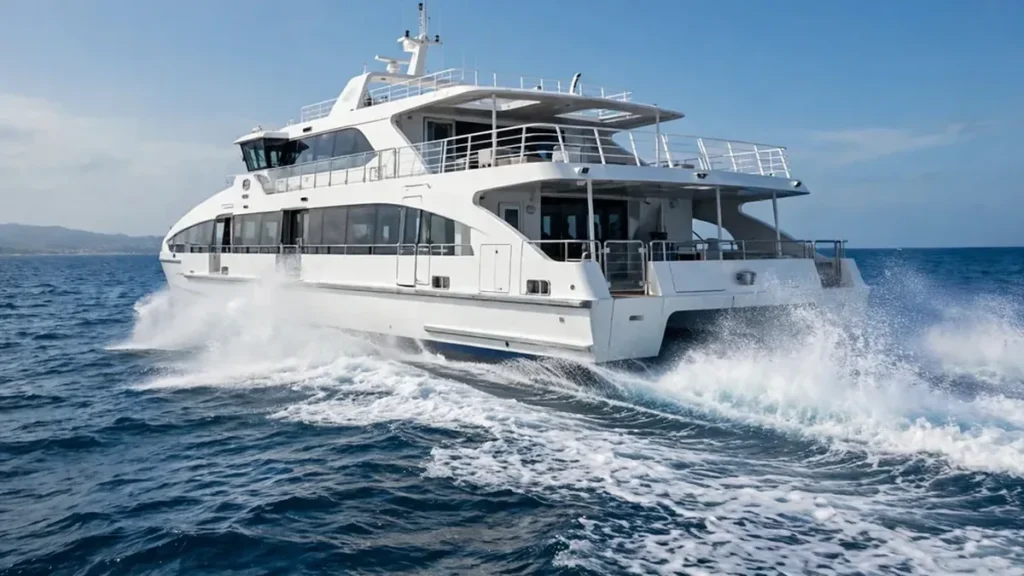
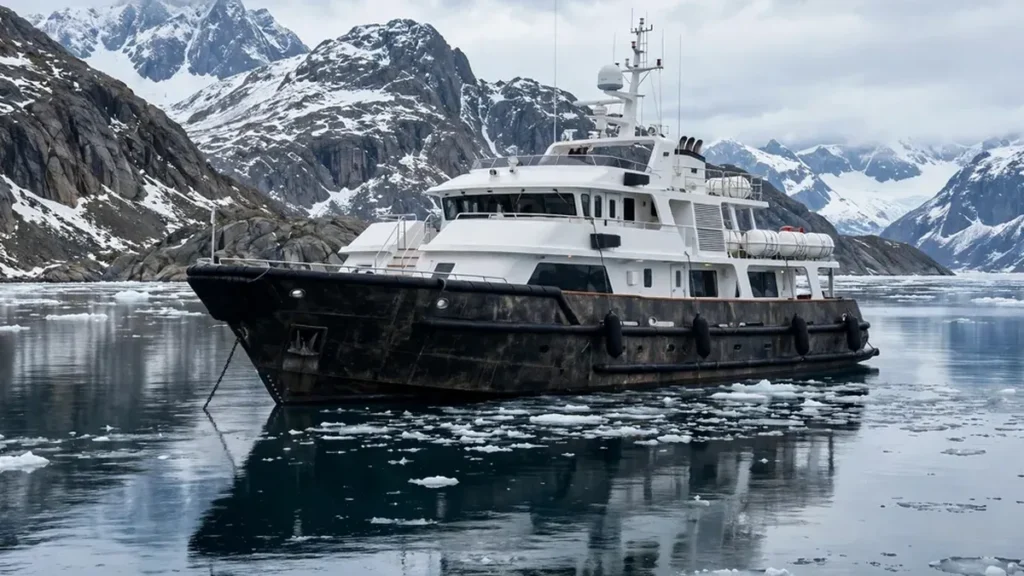
A tanker is a ship that carries liquid, and that simple job hides an enormous challenge. The cargo sloshes, it catches fire, it weighs thousands of tonnes, and a single leak can cause a disaster. A luxury tanker is built to carry that liquid safely across the world while giving its crew a comfortable, quiet home at sea. It is part floating warehouse, part precision machine, and part hotel.
The newest tankers are a long way from the rusty oil ships of old films. Their tanks are coated and monitored by sensors, their bridges are finished in wood and leather, and their engines are tuned to burn less fuel and make less smoke. Building one takes a specialist yard, strict safety rules and more than a year of patient work. Here is how a luxury tanker is made, from a steel skeleton to a ship that can carry liquid gold across an ocean.
How It’s Made
Step 1: Designing the tanks and the double hull
Every tanker starts with safety, and safety starts with the hull. Modern rules demand a double hull, which means the ship has two layers of steel between the cargo and the sea. If the outer layer is damaged, the inner layer still holds the liquid in. Naval architects plan the tanks inside that double skin, dividing the cargo into separate compartments so that a problem in one tank cannot spread to the rest. Only when the design passes computer tests for stability, fire and flooding does the yard begin to cut steel.
Step 2: Cutting steel and building the hull blocks
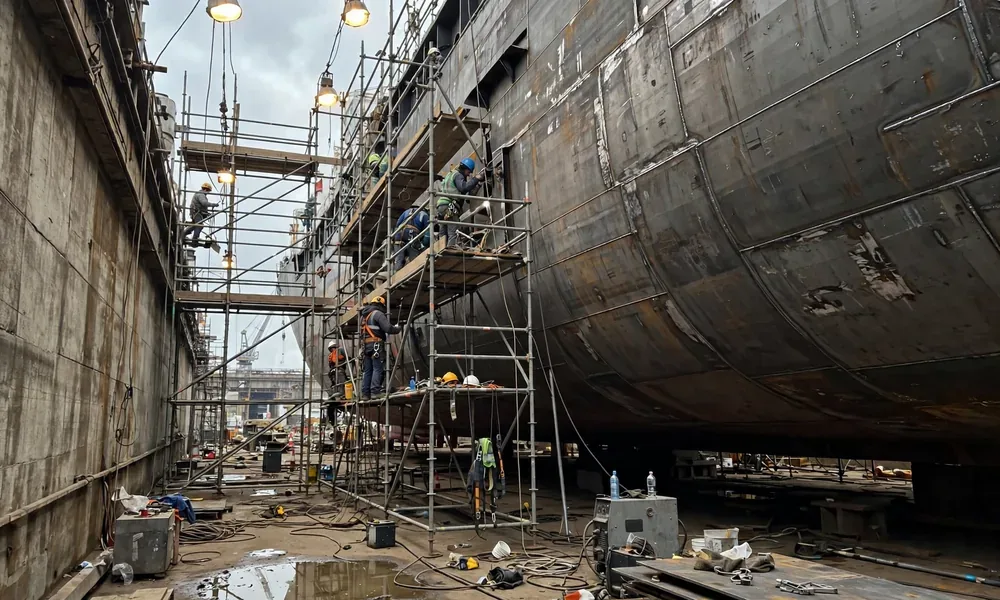
The yard cuts huge steel plates with plasma torches, following drawings that leave almost no room for error. Workers weld the plates into blocks, each one forming part of the hull, a tank or the engine room. The tank sections get special attention, because their welds must be perfectly smooth and watertight. Inspectors test them with ultrasound, dye and air pressure, hunting for the smallest crack. Cranes then lift the blocks into a dry dock and weld them together into the long hull.
Step 3: Coating and fitting the cargo tanks
Inside, the cargo tanks are coated with special paint that resists corrosion from oil, chemicals or food-grade liquids. The coating must be flawless, because a bare patch of steel would rust quickly and contaminate the cargo. Workers fit pipes, valves and pumps that can move thousands of tonnes of liquid an hour, along with heating coils that keep thick oils warm enough to flow. Sensors are placed in every tank to measure the level, the temperature and the pressure, and all of them report to the cargo control room. The story of how a luxury tanker works explains how those pumps and valves are used at sea, when loading and unloading must be balanced with great care. Venting systems are fitted too, so that vapour can escape safely without building up pressure.
Step 4: Installing the engine, pumps and safety systems
A tanker needs a powerful, reliable engine, usually a slow-speed diesel that can run for weeks without stopping. It is lowered into the engine room by crane and bolted to a steel foundation, with a shaft running aft to a large bronze propeller. Around it, engineers fit the cargo pumps, the ballast pumps and the generators that power the whole ship. Fire safety is built in everywhere: foam systems in the engine room, water curtains on deck, gas detectors in the tanks and fireproof doors between compartments.
Step 5: Building the bridge and the luxury accommodation
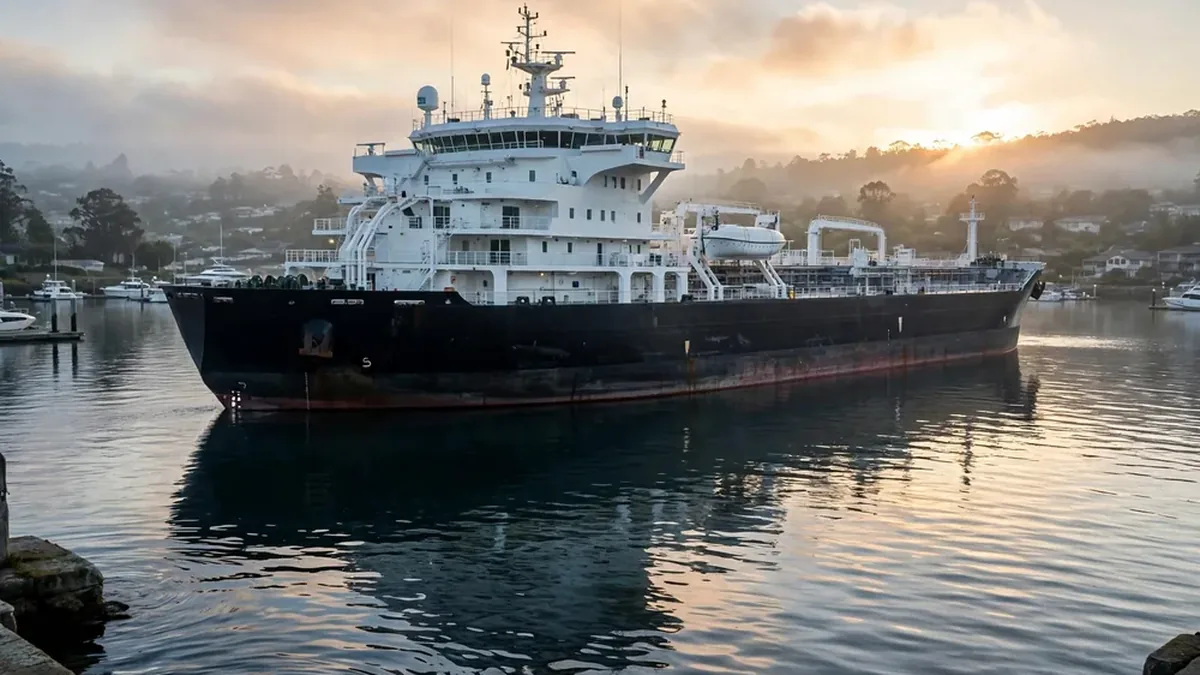
The accommodation block at the stern is where the tanker becomes a luxury ship. The bridge sits at the top, with wide windows, polished wood, leather chairs and a full set of navigation screens. Below it, the cabins are larger and quieter than on older tankers, with private bathrooms, good beds and thick insulation against engine noise. There is a bright mess room, a lounge with soft chairs, a small gym and sometimes a sauna, because crews spend months on board. The craft behind LNG carrier tanks shows the same thinking on an even colder cargo, where insulation and careful engineering keep the liquid safe.
Step 6: Testing, sea trials and delivery
Before delivery, the yard fills the tanks with water and tests every pump, valve and sensor under load. The hull is painted with antifouling paint, and the ship is floated out for sea trials. Engineers run the engine at full power, test the steering and the anchors, and practise loading and unloading with water standing in for cargo. They also test the inert gas system, which fills the tanks with exhaust gas so that no oxygen remains to feed a fire. The story of how a luxury cargo ship is made follows the same final checks, because no ship is finished until it has proved itself at sea. When the trials pass, the owner takes the tanker and sails it to its first loading port.
Tanker Specifications
| Specification | Typical Luxury Tanker |
|---|---|
| Length | 170 to 250 metres |
| Deadweight | 45,000 to 110,000 tonnes |
| Cargo tanks | 10 to 14 separate tanks |
| Main engine | Slow-speed diesel, 10,000 to 15,000 horsepower |
| Service speed | Around 14 to 15 knots |
| Crew | 22 to 28 people |
| Build time | Around 12 to 18 months |
The Price
A luxury tanker costs an estimated $45 million to $70 million to build, depending on its size, the type of cargo it carries and the standard of its accommodation. Chemical tankers, with stainless steel tanks and extra coatings, sit at the upper end of that range. Running one costs an estimated $9,000 to $14,000 a day in crew, fuel, insurance and maintenance, but a full cargo can be worth many millions of dollars. Owners pay for the extra safety and comfort because a tanker that works reliably for twenty-five years is worth far more than a cheap one that spends its life in repair.
A Rare Fact
A tanker can be too full, and too empty, at the same time. If a tank is only partly filled, the liquid sloshes from side to side and can push the ship over in a sharp turn, so crews use a system called free surface effect to plan exactly how full each tank should be. Loading officers work out the order of filling before they start, and they fill tanks in pairs, one on each side, to keep the ship level. It is a quiet piece of mathematics that keeps a giant ship steady, and it is practised on every single voyage.

Life on a luxury tanker is disciplined and calm. Smoking is banned on deck, drills are held every week, and every valve is checked twice. Yet the crew eats well, sleeps in quiet cabins and has time to exercise and call home by satellite. The sea changes slowly around them as they cross from a loading port in the Gulf to a refinery in Europe or Asia, and the ship itself hums steadily through it all.
A luxury tanker is a reminder that the most dangerous cargo can be carried by the most careful machine. Its double hull, coated tanks and gas systems are built to keep liquid safe, while its bridge and cabins are built to keep people safe and comfortable. That is the balance a tanker must strike on every voyage. When it leaves the yard, painted and tested, it is not just a ship full of liquid. It is liquid gold, afloat and under control.