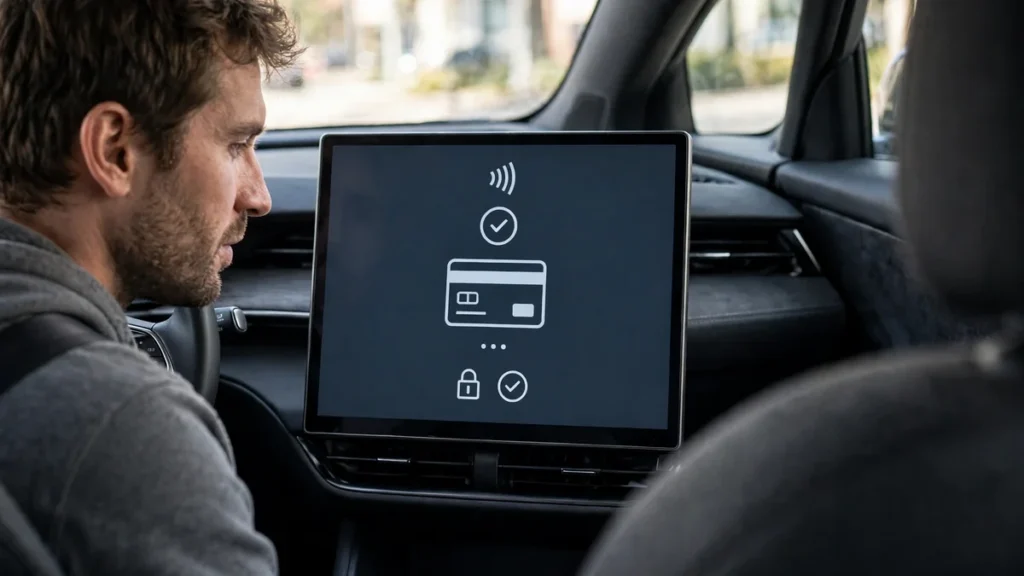
The first time I rode in a luxury electric SUV, nothing happened. That was the point. We pulled away from the kerb outside a hotel in the rain, and the only sound was the tyres on wet tarmac and a faint hum that faded before we reached the end of the street. The owner, a man who had traded in a large petrol SUV the month before, grinned and said the quiet was what sold him. Then he handed me the spec sheet, and the quiet turned into confusion. Kilowatt-hours, peak charging rates, dual-motor torque figures and a towing number that seemed to belong to a truck. The car felt simple. The numbers did not.
That gap is the whole problem with shopping for a luxury electric SUV. The vehicles themselves have become genuinely good: fast, calm, beautifully finished, and cheap to run day to day. But the language used to sell them still belongs to engineers. This guide translates the sheet into plain English, so you can judge a luxury electric SUV the way you would judge any expensive machine: by what it actually does for you.

Start with the battery, because almost everything else follows from it. Battery size is measured in kilowatt-hours, written as kWh, and it is simply the size of the fuel tank. A luxury electric SUV typically carries between 90 and 120 kWh, which is a large tank by any standard. A bigger battery usually means more range, but it also means more weight, a higher price, and a longer charge when the battery is nearly empty. The trick is that usable capacity matters more than the headline number.
Range is the number everyone quotes and almost nobody experiences exactly. The official range figure, usually measured on a laboratory test cycle, assumes gentle driving in mild weather. Real life adds motorway speed, cold mornings, headwinds and a roof box, and range falls. As a rough rule, expect about 80 to 85 percent of the official figure in mixed real driving, and less in winter. The useful question is not whether the range figure is big, but whether the car still covers your longest regular journey with a comfortable margin after that discount.
| Specification | Typical luxury electric SUV | What it means for you |
|---|---|---|
| Battery (usable) | 95 to 115 kWh | How far you can go between charges |
| Official range | 300 to 380 miles | Expect roughly 80 percent in real driving |
| Power | 450 to 650 hp | Effortless overtaking, not just speed |
| 0 to 60 mph | 3.8 to 5.0 seconds | Faster than most sports cars of a decade ago |
| Peak charging | 200 to 350 kW | How quickly it can take on energy |
| 10 to 80 percent charge | 18 to 30 minutes | The real charging time on a long trip |
| Towing capacity | 1,800 to 2,500 kg | Enough for a large trailer or boat |
| Kerb weight | 2,400 to 2,700 kg | Heavy, so tyres and brakes work hard |
| Battery warranty | 8 years or 100,000 miles | Cover against serious capacity loss |
Charging speed is where the numbers get most misleading. The peak rate, quoted in kilowatts, is the fastest the car can ever charge, and it holds that speed for only part of a session. A car advertising 350 kW might sustain it for a few minutes, then slow as the battery fills. The figure that matters is the 10 to 80 percent time, the part you actually sit through on a journey. Anything under 25 minutes is good, and under 20 is excellent. Cars built on an 800-volt system generally sustain high speeds for longer than older 400-volt designs, which is why two cars with similar batteries can charge at very different speeds.
There is a trade-off hiding inside all of this, and it is worth naming honestly. A bigger battery gives more range but adds weight, and that weight eats into efficiency, so the gains shrink as the pack grows. The case against electric SUV weight makes this point well: beyond a certain point you are carrying battery to move battery. The sweet spot for most buyers is a car that covers a long day of driving with one short charging stop, not the car with the biggest number on the sheet. Comfort, cabin quietness and the quality of the driver assistance systems will matter more to you, day after day, than an extra thirty miles of claimed range.
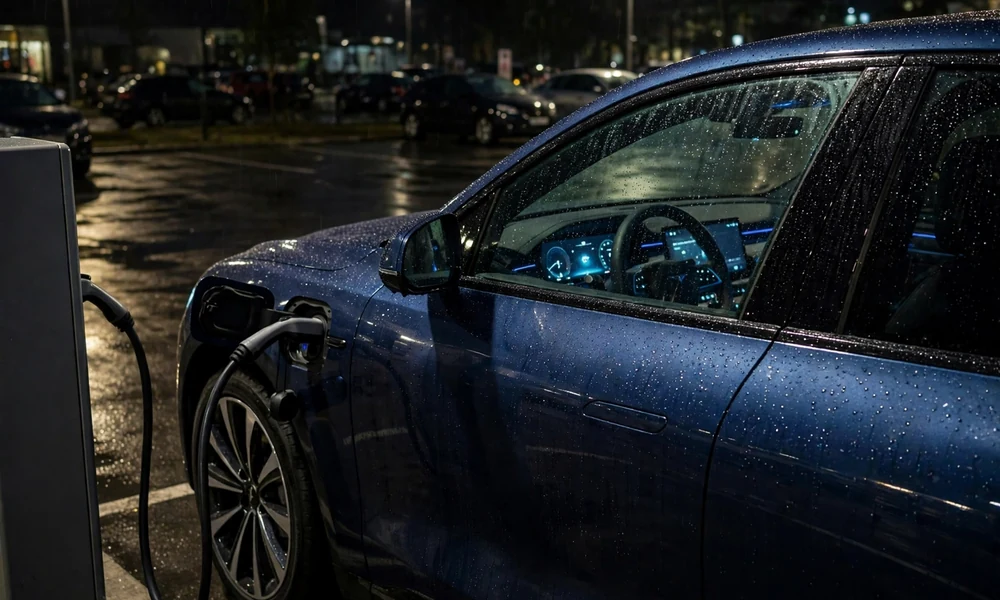
How a Luxury Electric SUV Works
Under the floor sits the battery pack, a flat slab of cells that forms the backbone of the car. It powers one motor at the front and one at the rear in most dual-motor models, and the low, central weight gives the tall SUV a surprisingly low centre of gravity. Here is the journey from pressing the accelerator to moving down the road.
- You press the accelerator. A sensor reads how far and how fast you pressed it, and the car’s computer decides how much power to request.
- The battery releases energy. Direct current flows from the battery pack to inverters, which convert it into alternating current for the motors.
- The motors spin. Electric motors turn almost instantly, sending torque to the wheels through a single-speed gearbox with no gear changes to feel.
- The car manages grip. Sensors watch each wheel many times a second and shift power front to rear to keep traction on wet or loose surfaces.
- Braking recovers energy. Lift off the accelerator and the motors run in reverse, acting as generators that slow the car and feed energy back into the battery.
- Heat is managed quietly. A heat pump and cooling system keep the battery at its ideal temperature, which protects both range and charging speed.
- Software watches over it all. The car updates itself overnight, improving efficiency, charging behaviour and driver assistance without a visit to a dealer.
Price is the last number to decode. A luxury electric SUV typically starts at roughly $75,000 to $90,000, with well-equipped versions reaching $100,000 to $120,000 and flagships passing $130,000. Those are estimates, and options add thousands quickly. Running costs improve the maths: home charging is far cheaper per mile than petrol, and servicing is simpler with fewer moving parts. But tyres wear faster on a heavy car, and insurance can be higher, so factor both into the real cost of ownership, not just the monthly payment.

Here is a rare fact to keep in your pocket. Some luxury electric SUVs can power your house. With vehicle-to-load or vehicle-to-home technology, the car’s enormous battery can run household appliances during a power cut, or feed electricity back into your home at expensive peak times. A 100 kWh battery holds roughly three days of average household electricity use. It is a strange thought, that the most expensive thing on your driveway could also be the biggest battery you own, but it is also a glimpse of where these cars are heading: not just transport, but a power station on wheels.
When you next read a spec sheet, read it in this order: usable battery, real-world range, 10 to 80 percent charging time, then power. Everything else is detail. A luxury electric SUV is at its best when it makes a long journey feel short, a heavy car feel light, and a complicated machine feel simple. If the numbers promise that and the test drive delivers it, you have found the right one. For a sense of how that power compares with the fastest machines on the road, the most powerful production cars list puts these SUVs in surprising company, and the best electric motorcycles of 2027 show how far electric performance has spread beyond four wheels.