There is a moment every modern car buyer should dread, and it arrives after the purchase, in the driveway, on a cold morning. You press the heated seat button. Nothing happens. A message appears on the screen: this feature requires a subscription. The heating elements are in the seat — they were fitted at the factory, they are part of the car you bought, they are sitting inches from your back — and the car will not switch them on until you pay a monthly fee. That moment is the whole argument against subscription features in cars, and it is an argument the car industry keeps losing in public and then quietly trying again in private.
The subscription model arrived with a reasonable-sounding pitch. Cars are now computers on wheels, the pitch goes, and software-defined vehicles can be improved over the air, personalised to each owner, and upgraded without a visit to the dealer. Some of that is true, and some subscriptions are perfectly fair: a live traffic service, a data connection, a music streaming app, a driver-assistance system that needs constant map updates and server support. Those are services, with ongoing costs, and charging for them is honest. The problem is what happened next. The industry took the same billing model and applied it to hardware that was already in the car, already paid for, and already working — and started charging owners rent on their own possessions.
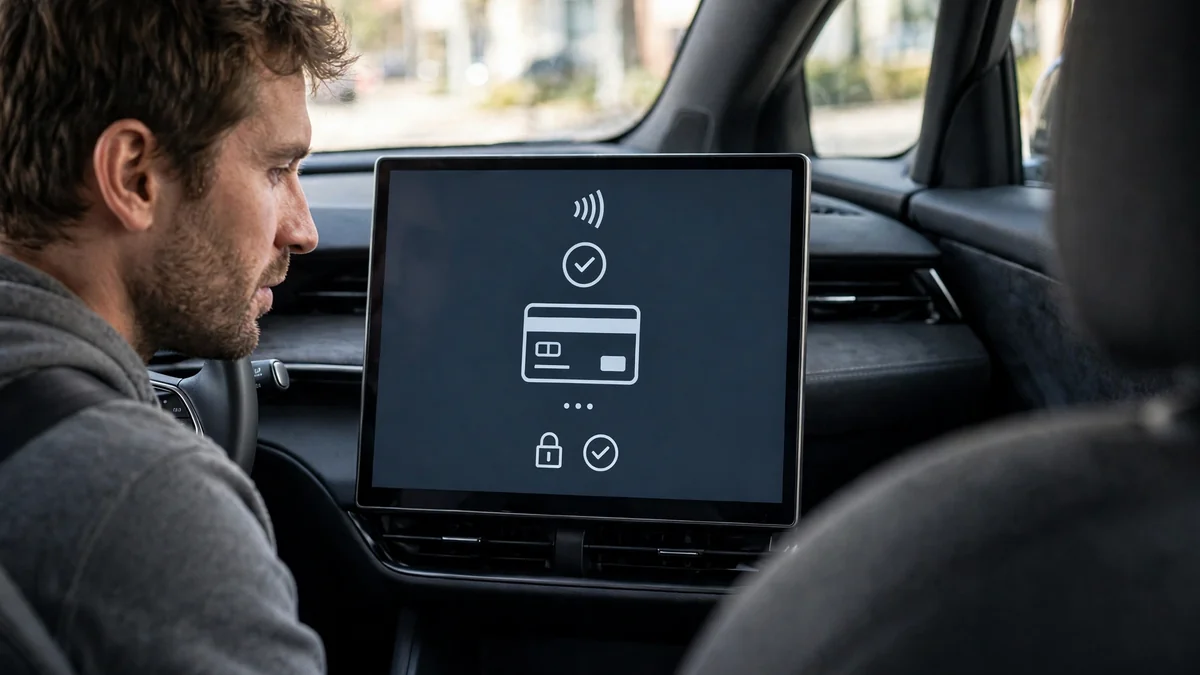
Paying twice for the same seat
BMW made itself the flashpoint in 2022, when it offered heated seats as a subscription in several markets, including South Korea and the United Kingdom, at around eighteen dollars or fifteen pounds a month. The heating elements were factory-fitted. The owner had already bought the seat, the wiring and the switch. What the subscription bought was permission to use them. Buyers understood instantly what was happening and hated it, because the transaction was naked: the company had installed the hardware, charged for the car, and then charged again for the use of the hardware. BMW’s own sales chief later admitted the retreat, telling reporters in September 2023 that the company had stopped offering subscriptions for hardware features because customers felt they were paying twice. They were right, and BMW knew it.
Mercedes-Benz tried a different flavour of the same idea, and it was arguably worse. Its Acceleration Increase option for the EQE and EQS electric models unlocked extra power from motors that were already installed in the car — up to 80 extra horsepower, cutting the 0-to-60 time by nearly a second — for sixty dollars a month, six hundred a year, or nineteen hundred and fifty dollars for a lifetime. The car could already do it. The motors were already there. The performance was a software flag away. Mercedes framed it as flexible personalisation, but the owner experience was identical to BMW’s: you bought a car, and then you discovered that part of the car you bought was not actually yours.
The ownership problem is the real problem
Strip away the pricing and the argument is about ownership itself. When you buy a car, you buy the car — the steel, the seats, the motors, the wiring. The idea that a manufacturer retains a remote kill switch over parts of your own vehicle, and can switch them off if you stop paying, is a fundamental change in what buying means. It is the difference between owning a car and leasing its features from the company that built it, and nobody asked buyers whether they wanted that change. It was imposed, one software update at a time, and presented as innovation.
The law is starting to agree
Buyers are not the only ones pushing back. New York State has signed into law a ban on automakers charging recurring fees for features that rely solely on hardware already installed in the vehicle, with the legislation, Bill S.9348A/A.10411A, signed as Chapter 414 of 2026. The principle is simple and hard to argue with: if the feature needs no ongoing service from the manufacturer, the manufacturer cannot charge an ongoing fee for it. Other states and countries are watching, and the direction of travel is clear. The industry’s most aggressive version of the subscription model is, in at least one major market, now illegal.
The manufacturers’ defence deserves a fair hearing, because not all of it is self-serving. Building a car with all the hardware fitted and switching features on by software genuinely reduces manufacturing complexity: one production line, one parts list, features enabled at the point of sale. It allows a second owner to add a feature the first owner did not want. And genuine services — connectivity, maps, cloud features, driver assistance that depends on live data — do cost money to run, and someone has to pay for them. None of that is in dispute. The dispute is about where the line falls, and the industry has repeatedly drawn it in the wrong place, on the side of its own revenue rather than the owner’s rights.
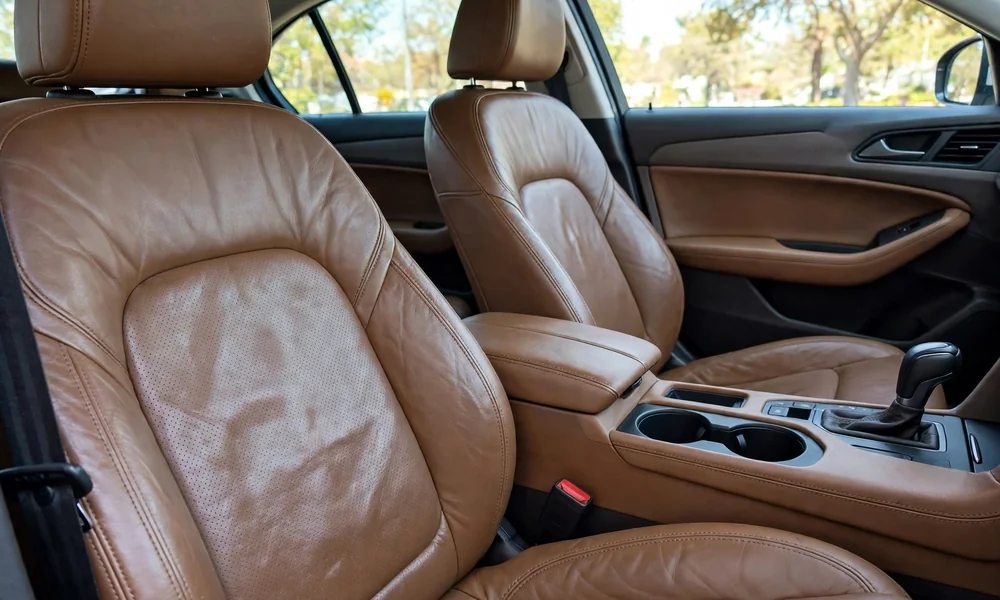
The test is simple
There is a simple test for any car subscription, and buyers should apply it ruthlessly. Ask one question: does this feature need anything from the manufacturer after the day I drive away? If it needs data, servers, updates or live support, a subscription is fair, and the price should reflect the cost of the service. If it needs nothing — if the hardware is in the car, the software is in the car, and the only thing standing between you and the feature is a payment screen — then it is not a service. It is rent on something you already own, and you should refuse it, loudly, and buy a car from a manufacturer that does not do it.
Electric cars make the argument sharper, not softer. An electric motor’s power is software-defined by nature, which means the temptation to sell it back in slices is built into the technology. Why electric supercars are so expensive shows how much of the cost is already in the hardware; charging again for the performance that hardware delivers is double-dipping by design. And the luxury end of the market is where the practice is worst, because the manufacturers assume wealthy buyers will not notice or will not care. The luxury electric SUV specifications make clear how much capability is already built into these cars — capability that should work the day you buy it, not the day you subscribe to it.
The subscription car is a car that is never quite yours. That is not innovation. It is a business model dressed as progress, and it asks buyers to accept a worse deal than their parents had, for the privilege of paying monthly for it. The heated seat was the warning. The right response is the one buyers gave BMW: no. If the hardware is in the car, it works. Everything else is a negotiation the buyer should win.
Performance is where the same logic will be tested next, and the hypercar world is the canary: the best hypercar braking systems compared shows what happens when engineering is sold as a complete, working system rather than a menu of unlocks. That is the standard every car should meet. Buy the car, get the car — all of it, on day one, for as long as you own it.