A luxury ship never sits still in the water the way a building sits on land. Fuel burns away and fresh water is used up, and every tonne that leaves changes how she floats. Ballast is the quiet answer to that slow drift, seawater pumped in and out of great steel tanks low in the hull to keep the ship level, upright and riding at the right depth.
The ballast specification sheet is where that quiet work is written down. It lists how much water the tanks can hold, how fast the pumps can move it, how much the ship can lean before the system must act, and how the water is treated before it is let back into the sea. Each one decides how the ship floats, how steady she feels, and how safe she is when the weather turns.
This guide walks through the figures on a luxury ship ballast specification sheet and explains what each one means in plain language, so the next time you see a ballast figure in a brochure you will know what you are actually looking at.
Luxury Ship Ballast Specs at a Glance
| Specification | Typical 50 m Ship | Typical 80 m Ship | Typical 120 m Ship |
|---|---|---|---|
| Total ballast capacity | 150–250 tonnes | 300–500 tonnes | 600–1,000 tonnes |
| Number of ballast tanks | 8–12 tanks | 12–16 tanks | 16–24 tanks |
| Ballast pump rate | 100–200 m³ per hour | 200–400 m³ per hour | 400–700 m³ per hour |
| Metacentric height (GM) | 0.8–1.2 m | 1.0–1.5 m | 1.2–1.8 m |
| Maximum list correction | 3–5 degrees | 3–5 degrees | 3–5 degrees |
| Treatment system flow | 100–150 m³ per hour | 150–300 m³ per hour | 300–500 m³ per hour |
Tank Capacity: How Much Weight the Ship Can Move
The first figure on the sheet is total ballast capacity, the weight of seawater all the tanks can hold at once. On a 50 metre ship it is usually 150 to 250 tonnes, and on a 120 metre ship it can reach 600 to 1,000 tonnes. That is only a small share of the ship’s weight. Ballast does not lift the ship; it nudges her, adding weight where she is light and taking it away where she is heavy.
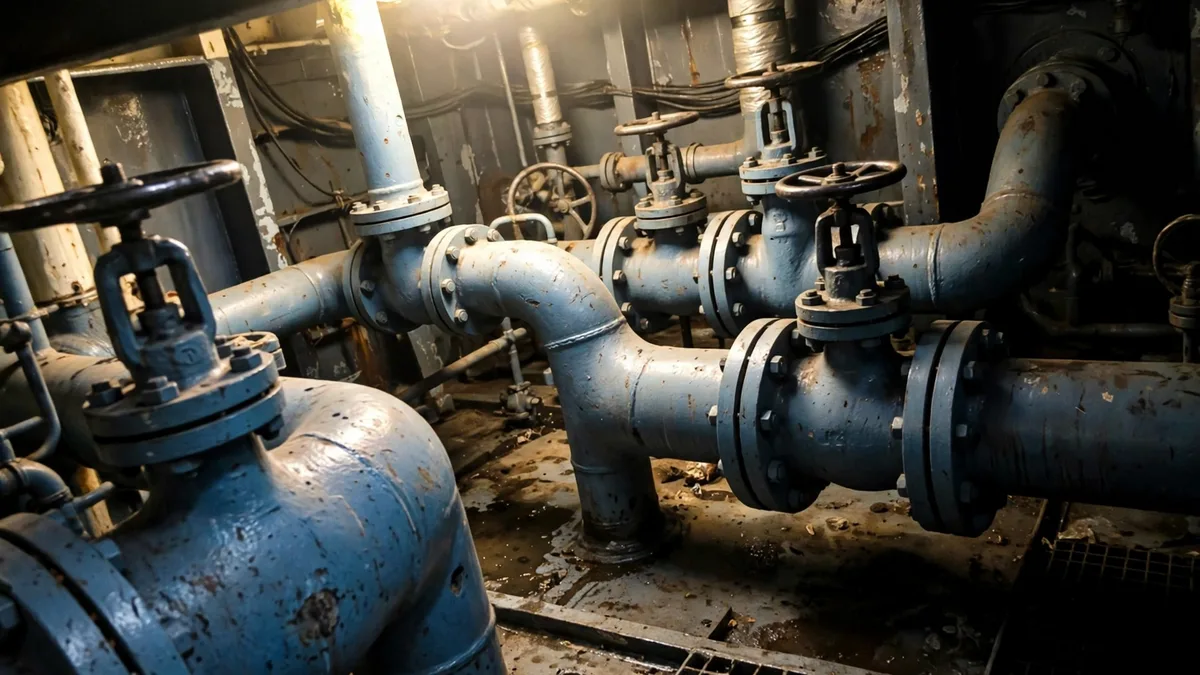
Capacity is split across many tanks, 8 to 12 on a smaller ship and 16 to 24 on the largest, because weight must be placed precisely: a dozen smaller tanks let the crew trim the bow, lift the stern, or level a lean to one side. The tanks sit low in the double bottom, where a tonne of water does the most good, and each one has its own pipes and valves. The how luxury ship ballast works guide shows the tanks in action, but the capacity figure is what decides how much correction is available.
Pump Rate: How Fast the Ship Can Answer
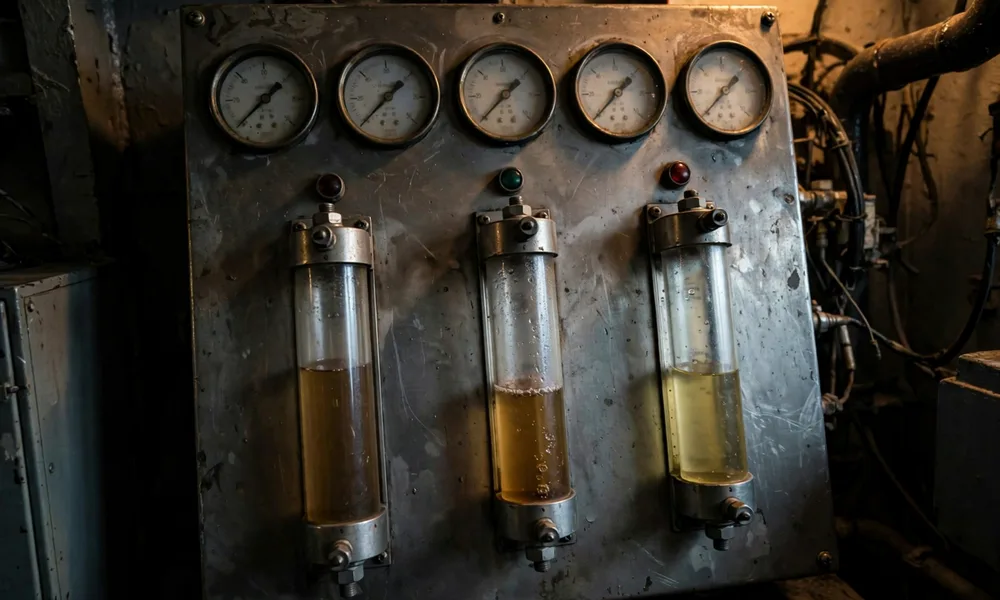
Ballast pump rate is the speed at which water can be moved, measured in cubic metres per hour. A 50 metre ship typically manages 100 to 200 cubic metres an hour, while a 120 metre ship reaches 400 to 700. That speed matters when conditions change quickly, when a heavy tender is lifted aboard on one side, or fuel is drawn down unevenly. A slow pump leaves the ship listing for hours; a fast one corrects her in minutes.
The rate is shared across the tanks, and the valves are opened one at a time so water goes where it is wanted. Moving water too fast has its own danger, because water sloshing in a half-full tank, known as free surface effect, can make a ship roll worse rather than better. Good crews fill or empty one tank at a time, keeping the others full or empty.
Metacentric Height: The Number That Describes Stability
Metacentric height, written as GM, is the most technical figure on the sheet and the one naval architects care about most. It measures how strongly a ship resists rolling, in metres, and on a luxury ship it usually falls between 0.8 and 1.8 metres. A larger GM means a stiffer ship that snaps back upright quickly; a smaller one means a gentler roll, but a ship that leans further before recovering.
Ballast is the tool the crew use to tune GM day by day. Pumping water into the low tanks pulls the centre of gravity down and raises GM, making the ship stiffer. Pumping it out does the opposite. The trick is balance: too stiff and the ship snaps, which makes passengers seasick; too tender and she heels alarmingly in a gust. The submarine ballast tank guide shows the same idea taken to an extreme, where tanks are what let a boat sink and rise on purpose.
List Correction and Water Treatment
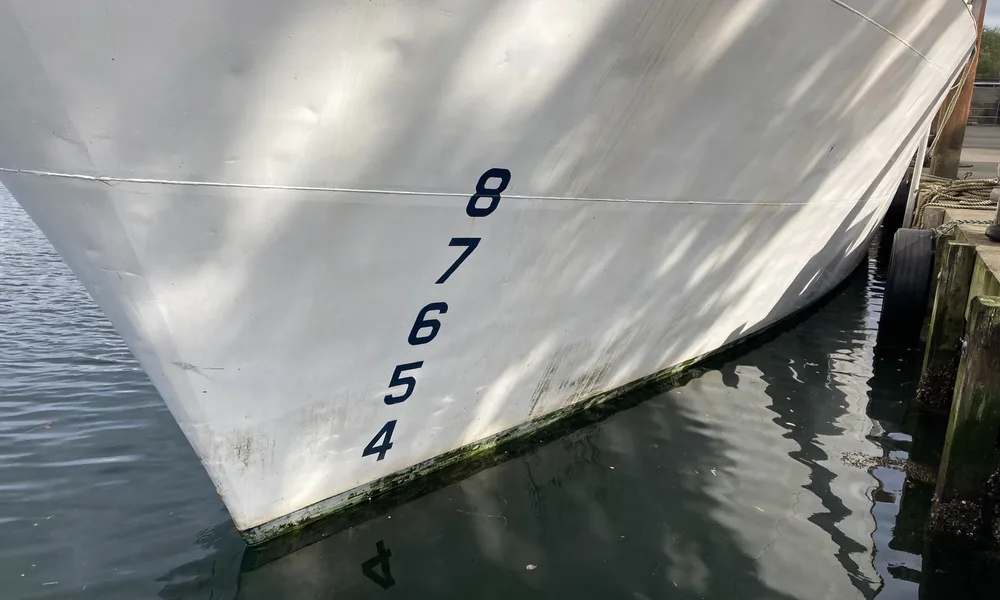
Maximum list correction, usually 3 to 5 degrees, is the lean the ballast system is designed to fix. A ship can list when fuel is drawn from one side, when a heavy tender is lifted aboard, or when a strong wind presses on the superstructure. The crew correct it by pumping water into the tanks on the low side, or out of the tanks on the high side, until the deck is level again. On some ships heel sensors and a control system do it automatically.
The last figure on the sheet is the treatment system flow, the rate at which ballast water is cleaned before it is discharged. When a ship takes on water in one port and lets it out in another, it can carry tiny sea creatures with it, and a creature harmless at home can become a pest abroad. Modern ships fit treatment systems that kill or filter those organisms, and the flow figure decides how quickly the ship can empty her tanks. The submarine diving plane specifications cover a different kind of underwater control, but the ballast figures are the ones that keep a surface ship level.
A Rare Fact About Ballast Water
Here is a detail that surprises people who have never thought about ballast. The water in a ship’s tanks is not the same water from one week to the next, and in a single ocean crossing a luxury ship can take on and discharge hundreds of tonnes of seawater, effectively swapping a small lake. That is why the treatment rules are so strict: every tonne carried from one harbour to another is a chance for a foreign species to hitch a ride, so the newest systems treat the water twice.
What the Specs Mean for You
If you are buying, chartering or simply touring a luxury ship, the ballast specification sheet tells you how the ship will feel in a swell. Generous capacity, a fast pump rate, and a GM in the comfortable middle of the range all point to a ship built by people who care how she rides.
If the numbers are vague, or the pump rate looks small next to the tank capacity, ask questions. Ballast is the most invisible system on a ship, hidden below the waterline, but it keeps the deck level and the passengers comfortable. A good ballast specification is quiet, generous and well balanced, and you can read all three in the figures before you ever step aboard.


