The machine lifted off the runway without a runway at all. One moment it was sitting on the tarmac like a small aeroplane with folded wings, the next it was rising straight up, its rotors blurring in the morning light, while the engineers below shielded their eyes and checked their tablets. It climbed, hovered, then flew away across the field before circling back to land where it had started. A test pilot stepped out, grinned, and said the words every flying car team dreams of hearing: it flies like it should.
Flying cars have been promised for a century, and the ones that actually fly today cost a fortune. The cheapest serious flying car costs more than a supercar, and the most ambitious ones are priced like a small aircraft fleet. That is because a flying car is not a car with wings bolted on. It is two machines in one body, each with its own rules, its own certification, and its own failure modes. This guide explains why the price is so high, and what the money actually buys.

Why It Costs What It Costs
Two Machines in One Body
The first cost driver is the hardest to solve: a flying car must be both a road vehicle and an aircraft. On the road it needs suspension, steering, brakes, lights, and crash protection. In the air it needs wings or rotors, flight controls, navigation, and a powerplant that will not quit at altitude. Designing a structure that does both jobs means compromises everywhere, and each compromise must be engineered, tested, and certified twice. The result is a machine that is heavier than a car and more complex than a light aircraft, built by a team that must understand both worlds. No mass-market car company has solved this at scale.
Certification Twice Over
Certification is the second cost driver, and it is brutal. A flying car needs road approval from a transport authority and airworthiness approval from an aviation authority, and the two processes have almost nothing in common. Road tests check crash safety, emissions, and lighting. Flight tests check stall speeds, engine failure, control response, and structural strength at altitude. Each test programme takes years and destroys prototypes worth millions of dollars. A single failed test can send a team back to the drawing board for months. The cost of certification is spread across a production run that may number in the dozens, so each car carries an enormous share of the bill.
Propulsion and Batteries
Most modern flying cars use electric propulsion, with multiple motors and rotors so that the loss of one motor does not mean the loss of the aircraft. That redundancy is essential for safety, but it is expensive. Each motor needs its own controller, its own cooling, and its own wiring, and the battery pack must deliver huge bursts of power for take-off while remaining light enough to fly. The batteries are among the most energy-dense ever fitted to a vehicle, and they are tested far beyond the standards used for electric cars. A flying car battery pack can cost an estimated $150,000 to $300,000, and it must be replaced after a set number of charge cycles, which adds to the cost of ownership.
Lightweight Materials
Weight is the enemy of flight, so flying cars are built from the lightest materials available. Carbon-fibre composites form the airframe, titanium is used for the fasteners and the rotor hubs, and the cabin is stripped of anything that does not need to be there. Every gram is counted, and the materials are laid up by hand, cured in autoclaves, and inspected with ultrasound. The manufacturing process is closer to building a racing car or a sailplane than a road car, and the labour is highly skilled. The best electric motorcycles use similar composites, but a flying car uses far more of them, and every panel must meet aviation standards rather than road standards.
Avionics and Autonomy
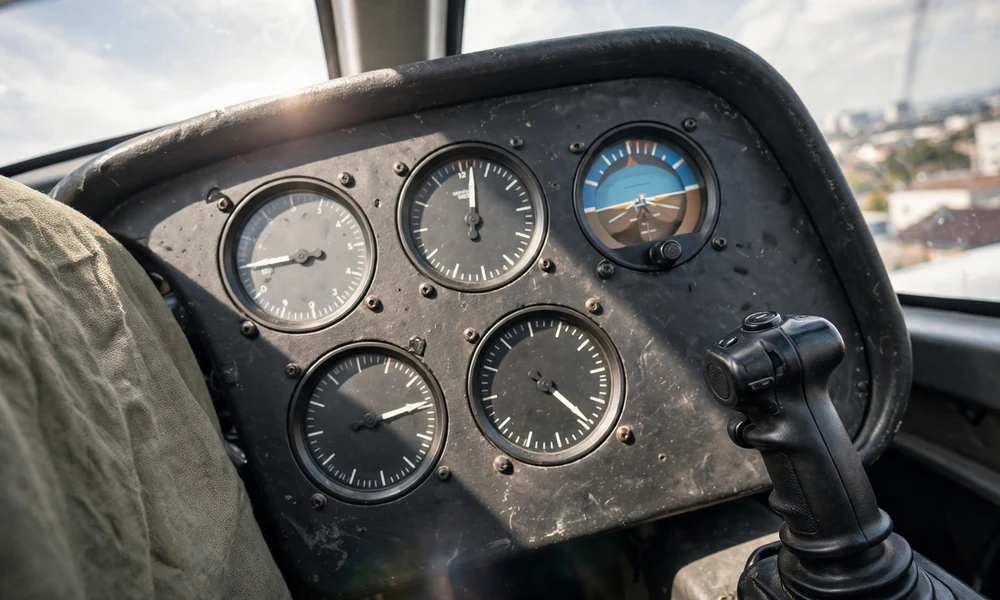
A flying car needs avionics that a road car never will: flight instruments, navigation systems, collision avoidance, and a fly-by-wire control system that translates the pilot’s inputs into rotor commands. Many flying cars are designed to fly themselves, with the pilot acting as a supervisor, which means the software must be certified to aviation standards. Writing and testing that software takes years and a large team. The avionics suite alone can cost an estimated $200,000 to $400,000, and it must be updated and re-certified as the rules change. This is one of the reasons flying cars are often compared to small helicopters, which face the same avionics costs without the road-going complication.
Tiny Production Runs
The final cost driver is scale, or rather the lack of it. A flying car company may build twenty or thirty machines a year, and at that volume there is no economy of scale. The tooling, the factory, the testing, and the salaries of the engineering team are all divided among a handful of vehicles. Each car is assembled by hand, tested for weeks, and delivered with a support package that includes pilot training and maintenance. The manufacturer must also keep spare parts in stock for years, because a grounded flying car cannot simply be taken to a local garage. The best electric boat brands face a similar problem at small scale, though their machines never have to leave the water.
Flying Car Specs and Price at a Glance
| Specification | Typical Figure | Notes |
|---|---|---|
| Propulsion | Electric, multiple rotors | Redundancy for safety |
| Seats | 2 to 4 people | Plus a small luggage bay |
| Flight range | 100 to 300 kilometres | Depends on payload and wind |
| Cruising speed | 150 to 250 km/h | In the air, not on the road |
| Take-off | Vertical or short runway | Depends on the design |
| Battery capacity | 100 to 200 kWh | High power for take-off |
| Maximum take-off weight | 900 to 1,500 kilograms | Every gram is counted |
| Estimated price | $300,000 to $3 million | Depends on model and certification |
What the Price Buys
A flying car at an estimated $300,000 to $3 million buys a machine that can do something no car or aeroplane can do alone: drive to the airfield, take off, fly over the traffic, and land near the destination. It buys hours saved on journeys that would take a day by road, and it buys the freedom to travel without runways, timetables, or queues. But it also buys a machine that needs a pilot’s licence, a place to park an aircraft, and a maintenance team that understands both cars and aeroplanes. Exotic machines always carry exotic costs, as the best submarine propulsion systems show, and the flying car is no exception. The price will fall as production grows and certification becomes routine, but for now the flying car remains a machine for pioneers with deep pockets.
A Rare Fact Worth Knowing
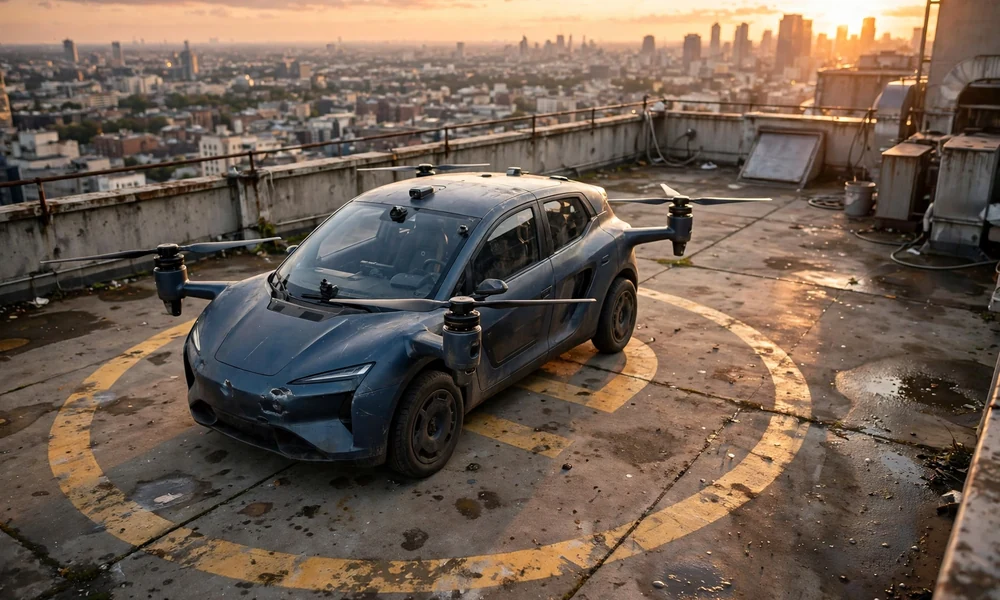
The first flying car to be certified for the road and the air was built in the 1940s, and it flew successfully. The Aerocar, designed by an American inventor, had detachable wings and a propeller that could be towed behind it like a trailer. It was certified by the aviation authorities of the day, and the inventor drove it to work and flew it on weekends. Only a handful were ever built, because the car was slow in the air and awkward on the road, and the market was not ready. Eighty years later, the same challenge remains: building a machine that is good at both jobs, rather than a compromise that is good at neither.


