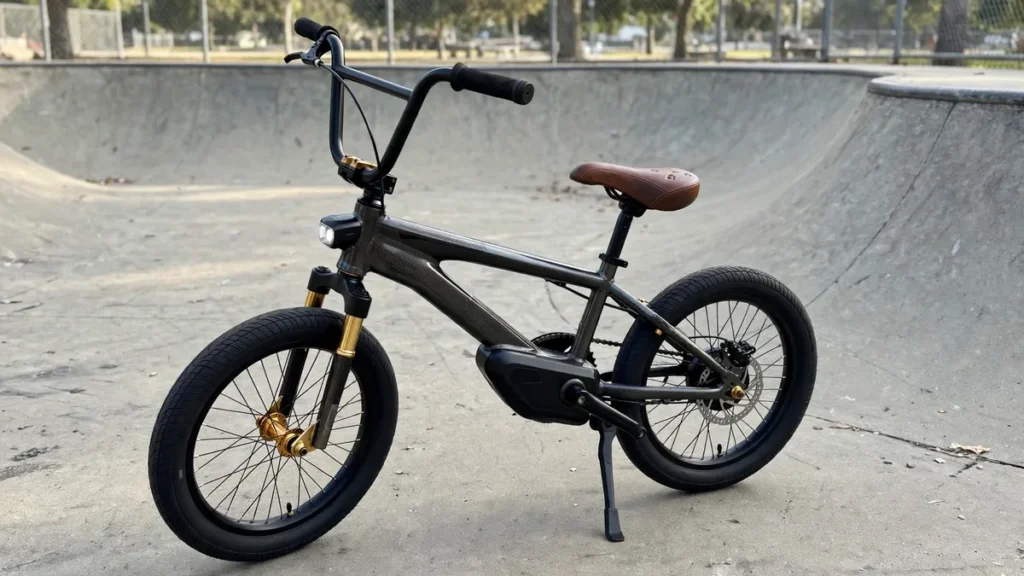
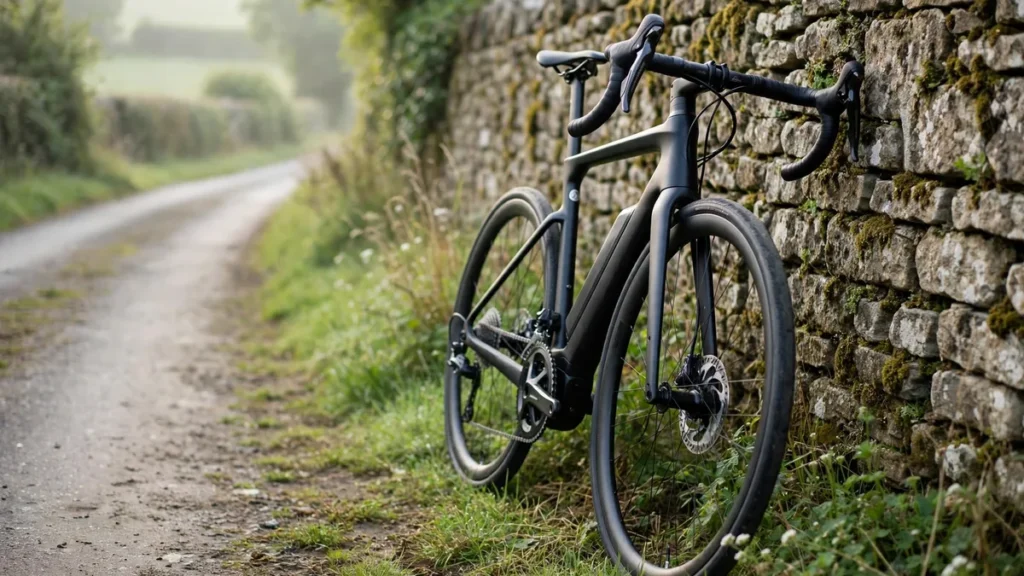
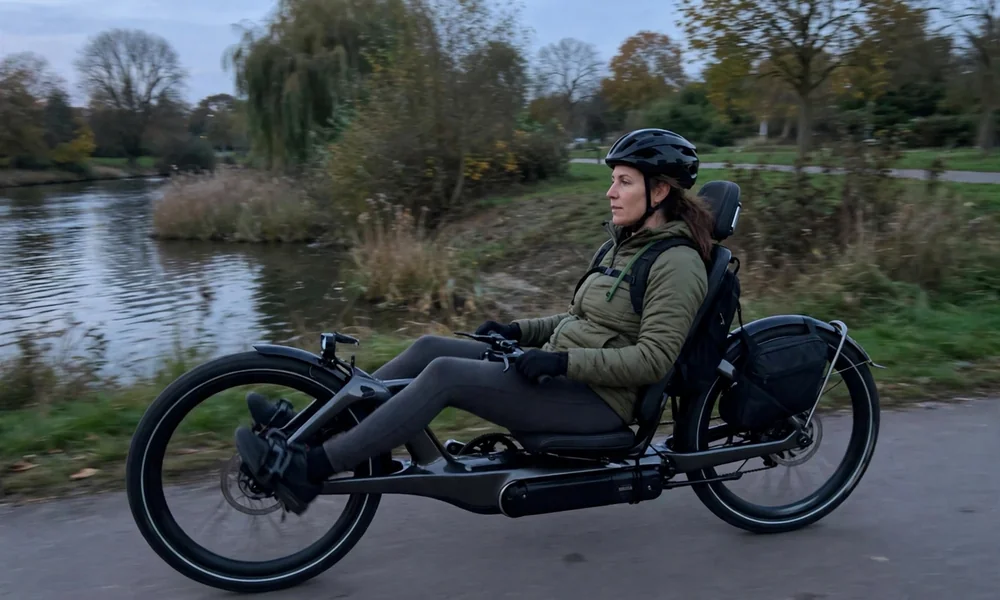
Lie back, put your feet out in front of you, and pedal from a chair. That is the first experience of a recumbent bike, and it feels so different from an ordinary bicycle that first-time riders often laugh. There is no saddle pressing into you, no weight on your wrists, no neck craned up to see the road. Your back is supported, your legs work in front of you, and the wind comes at your chest rather than your head. It is comfortable in a way a normal bike never is, and that comfort is only the beginning of the price.
A luxury electric recumbent bike can cost as much as a small car, and the reasons are not obvious from a photograph. The frame is longer and more complex than a standard bike, the seat is a piece of furniture in its own right, the motor and battery must be hidden inside a shape that was never designed for them, and almost everything is made in small numbers by hand. Here is where the money goes.

How It Works
Step 1: The long frame carries everything
A recumbent frame is a long beam that runs from the front wheel, under the seat, to the rear wheel, and it must be stiff enough that none of the rider’s pedalling power is lost to flex. On a luxury model that beam is usually aluminium or carbon fibre, shaped and welded or bonded in a jig that exists for only a handful of models. Each frame is cut, joined, and checked largely by hand, and the jig time alone costs more than an entire budget bicycle.
Step 2: The seat is engineered, not upholstered
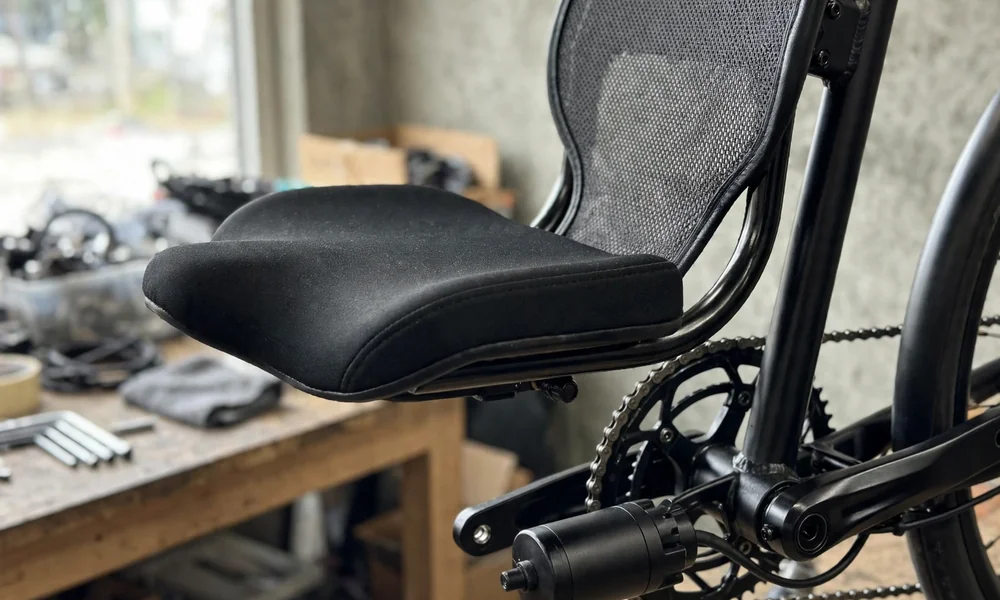
The seat is the heart of a recumbent, and on a luxury bike it is closer to a piece of sports equipment than a saddle. A mesh seat stretches across a shaped frame, holding the rider’s back and hips while letting air through on a hot day, while a hard-shell seat is moulded to the rider’s shape for maximum power transfer. Designing and testing that seat takes time and prototypes, and the cost is spread across a few hundred buyers a year, not a few hundred thousand.
Step 3: The motor must fit a strange shape
Fitting an electric motor to a recumbent is harder than fitting one to a normal bike. The bottom bracket sits high and forward, the chain runs a long way back to the rear wheel, and there is no standard down tube to hide a battery in. Luxury builders solve this with a mid-drive motor mounted at the crank, which drives the chain and lets the rider use the gears, or with a hub motor in the rear wheel, which is simpler but heavier at the back. Custom mounts, custom cables, and custom software tuning all add cost that a mass-market e-bike never pays.
Step 4: The battery hides in the frame
The battery is usually the single most expensive part of the whole machine. A luxury recumbent carries a pack of several hundred watt-hours, built from high-quality cells with a proper management system that protects against overcharging, overheating, and deep discharge. The pack is shaped to fit inside the frame beam or under the seat, where it keeps the centre of gravity low and the bike balanced. That custom shape costs far more than the standard rectangular pack used by mainstream e-bikes, and it can only be bought from the builder or a specialist supplier.
Step 5: The drivetrain runs a long way
On a recumbent, the chain travels from the cranks, back along the frame, to the rear wheel, a run that can be twice as long as on an ordinary bike. That long chain needs guides, idlers, and tensioners to keep it from slapping the frame or falling off, and every one of those parts is a small, precise component that must be fitted by hand. The gears must also work with the motor’s torque, which is far higher than a human leg produces alone, so the chain, cassette, and chainring are all specified to a higher standard than a normal bike would need.
Step 6: Steering and braking are bespoke
Steering a recumbent is unlike steering any other bike. The handlebars may sit above the seat, below it, or out to the sides, and the steering linkage runs through the frame to a fork that is often a custom design. Getting the geometry right, so the bike feels stable at speed and nimble at low speed, takes careful engineering and testing with riders of different sizes. The small production volume means these parts are often made in short runs or adapted from other machines, and adaptation costs money.
Step 7: Hand assembly and testing finish the price
Finally, the bike is assembled by hand, one at a time, by a builder who knows recumbents. The frame is checked for alignment, the seat is fitted to the buyer’s measurements, the motor is tuned, the battery is tested, and the whole machine is ridden before it is shipped. That level of attention is the luxury in the name, and it is also the reason the price cannot fall the way a mass-market bike’s can. The buyer is paying for a machine built for them, not for a warehouse.
Key Specifications
The figures below describe a typical luxury electric recumbent bike; individual builds vary.
| Specification | Typical figure |
|---|---|
| Frame material | Aluminium or carbon fibre |
| Motor power | 250 to 750 watts |
| Battery capacity | 500 to 1,000 watt-hours |
| Range | 80 to 160 kilometres per charge |
| Weight | 25 to 35 kilograms |
| Seat type | Mesh or moulded hard shell |
| Brakes | Hydraulic disc, front and rear |
| Top assisted speed | 25 to 45 kilometres per hour |
How Much Does It Cost?
A luxury electric recumbent bike typically costs from around $8,000 to $18,000, depending on the frame material, the motor, and the level of custom fitting. That is an estimate based on current specialist builders, and the top of the range usually buys a carbon fibre frame, a larger battery, and a seat moulded or adjusted to the rider. To understand the frame that carries all of this, read e-bike carbon frame specs explained for what carbon fibre does for a bicycle. For the choice of frame material, aluminium versus carbon fibre e-bike frames compared weighs the two metals and fibres against each other. And e-bike battery specs explained explains the cells, capacity, and charging that decide the range.
A Rare Fact
Here is something few cyclists know: recumbent bikes were once banned from professional racing, and the ban is part of why they stayed rare and expensive. In the 1930s, a recumbent rider broke speed records so convincingly that the cycling authorities outlawed the design, fearing it would make the ordinary racing bike obsolete. Every luxury recumbent built today still carries that history: a faster, more comfortable design that the mainstream left behind, built in small numbers for people who found it anyway.
A luxury electric recumbent bike is expensive because it is rare, long, hand-built, and fitted to its rider, with a battery and motor that must be woven into a shape no mass-market bike shares. The money goes into the frame jig, the seat, the custom battery, the long drivetrain, and the hours of a builder who assembles one machine at a time.