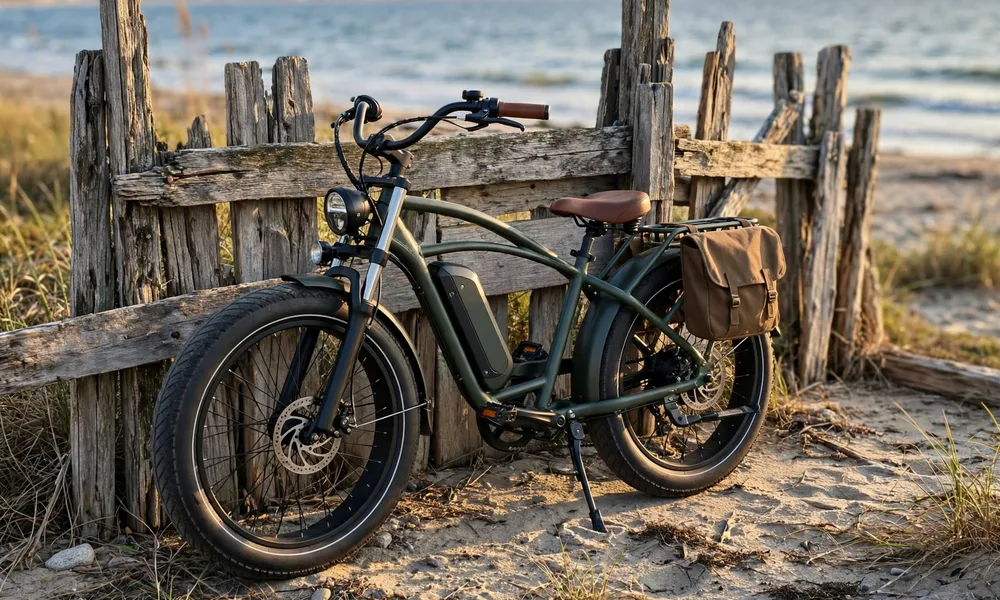
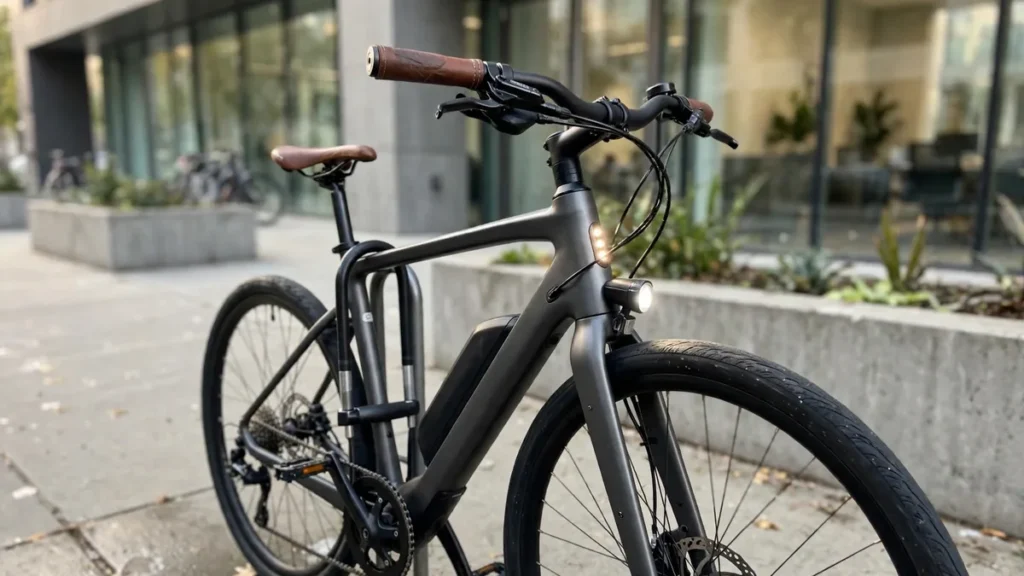
There is a particular kind of morning that a luxury electric cruiser bike is made for. The road is flat, the sun is low, the sea is somewhere off to the left, and there is nowhere you need to be in a hurry. The rider sits upright, hands resting lightly on swept-back handlebars, feet on wide pedals, while the bike hums along at a pace that lets you notice the smell of salt and cut grass. Nothing about the machine shouts. It does not look fast, it does not look aggressive, and it is not trying to be either. A cruiser is a machine built around a single idea: that the journey can be the whole point.
Luxury cruisers take that relaxed idea and engineer it properly. Under the retro styling sits a modern electric drivetrain, a battery hidden inside a curved frame, brakes that stop a heavy bike without drama, and a saddle that feels like an armchair after an hour in it. The specification sheet, though, can be confusing, because cruiser numbers look modest next to a sports e-bike. This article explains what each figure means, so you can judge a cruiser on comfort and character rather than on numbers meant for a different kind of machine.
The Specification Sheet, Translated
Cruiser specifications reward a different kind of reading. Top speed matters less than how smoothly the motor delivers power. Battery size matters less than how far the bike goes at a gentle pace. Comfort figures, like saddle width and tyre volume, matter more than weight, because nobody buys a cruiser to carry it upstairs. The table below gathers the figures you will see on a top-end luxury model, with a plain explanation of each one.
| Specification | Typical luxury figure | What it means in plain language |
|---|---|---|
| Motor power | 250 to 500 watts | How hard the motor can push. A cruiser needs gentle, steady power, not a sudden surge. |
| Torque | 50 to 80 newton-metres | Twisting force at the wheel. Enough to pull away smoothly, even with a heavy frame. |
| Battery capacity | 500 to 750 watt-hours | The size of the fuel tank. A bigger number means longer, slower rides between charges. |
| Range | 70 to 120 kilometres | How far it goes on one charge at a relaxed pace. Gentle riding stretches this figure well. |
| Tyre width | 2.0 to 2.5 inches | The width of the rubber. Wide, soft tyres soak up bumps and add grip on loose paths. |
| Top assisted speed | 25 kilometres per hour | The fastest the motor will help you go. Most cruisers are built to this gentle legal limit. |
| Weight | 24 to 30 kilograms | How heavy the bike is. Steel frames and sprung saddles add comfort and kilos together. |
| Frame material | Steel or aluminium | What the frame is made from. Steel flexes gently and feels smooth; aluminium is lighter. |
The Upright Position Changes Everything
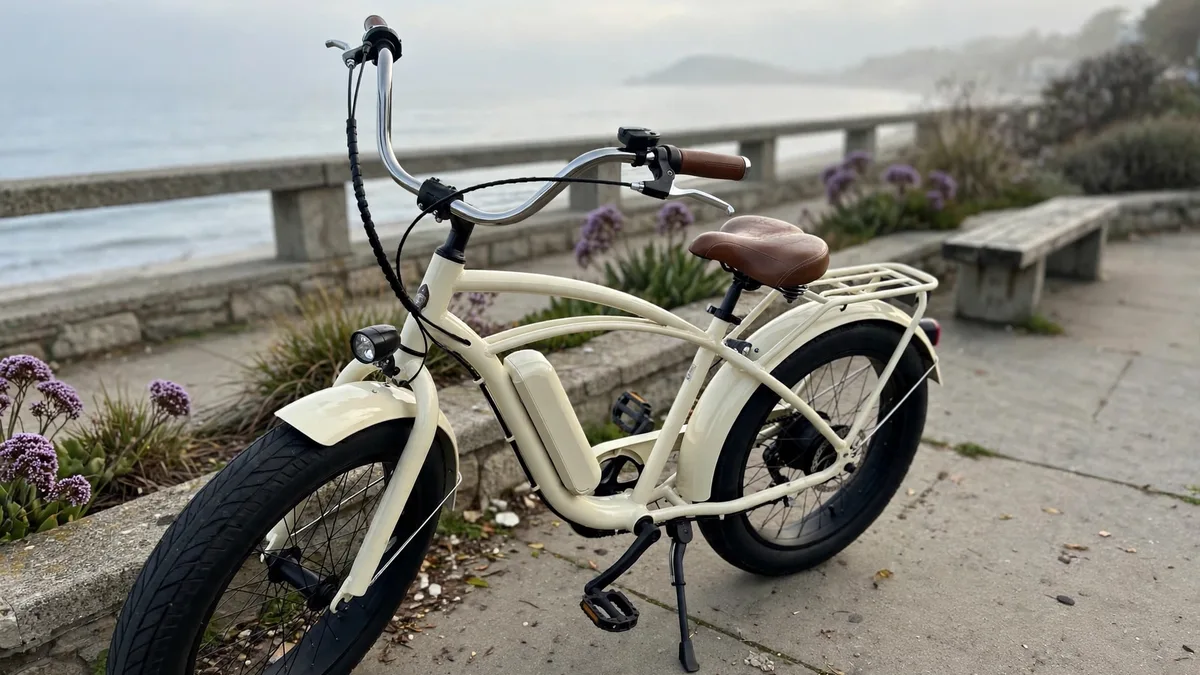
The most important specification on a cruiser is not in the table at all. It is the riding position. A cruiser puts the rider almost fully upright, with the handlebars swept back toward the chest and the saddle set low enough that both feet can touch the ground at a stop. That posture takes the weight off the wrists and shoulders, opens up the chest for easy breathing, and gives the rider a wide view of the road ahead. It is the opposite of a racing position, and deliberately so. A cruiser is not built to cut through the wind; it is built to let you sit comfortably inside it.
Comfort Is Engineered, Not Added
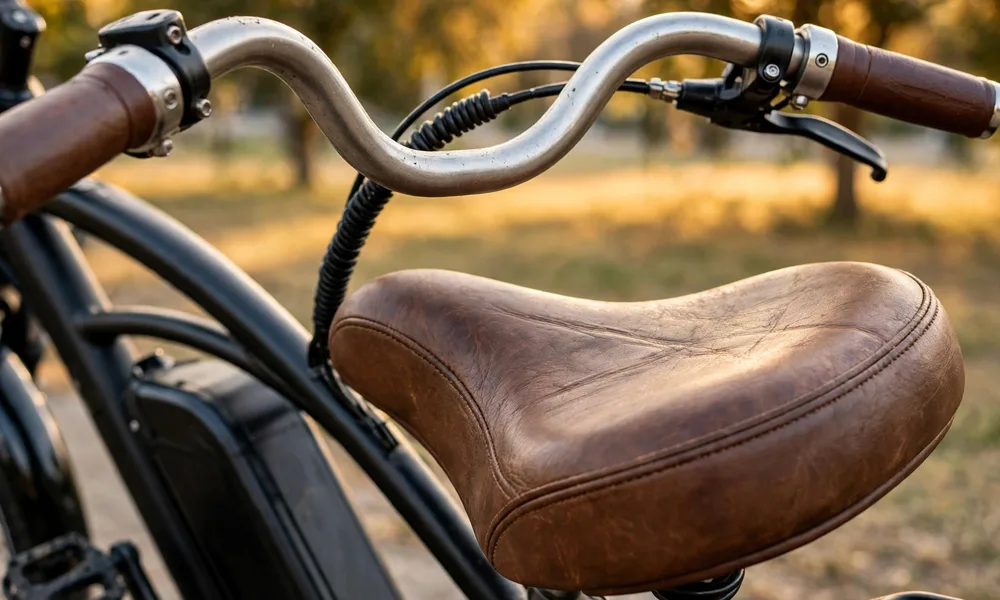
On a luxury cruiser, comfort is not a single feature but a system. The wide saddle, often sprung at the rear, spreads the rider’s weight across a larger area and absorbs the sharp jolt of a pothole before it reaches the spine. The tyres, run at low pressure, act as a first layer of suspension. The frame itself, especially in steel, flexes a tiny amount under load, smoothing out the buzz of a rough road surface in a way that a stiff racing frame never will. Even the grips are wider and softer than normal, so the hands stay relaxed on a long ride.
Some luxury builders go further, fitting a suspension seat post that moves a few centimetres, balloon tyres with a thick cushion of air, and a front fork with gentle travel that takes the edge off kerbs and cobbles. None of these parts is expensive on its own, but together they decide whether a two-hour ride leaves you refreshed or sore. The electric ATV makes a similar bargain in a different world, trading speed for stability and comfort over rough ground, and the electric moped shows how a small motor can transform a relaxed machine into a practical one.
Why the Battery Hides in the Frame
The cost of that elegance is a smaller battery than a sports e-bike can carry, but a cruiser does not need a huge one. Its motor is modest, its pace is gentle, and its rider is not asking for full power on a steep climb. A 500 to 750 watt-hour pack is enough for a long morning ride and an afternoon return, with charge to spare. Charging is simple, too: most packs slide out with a key, so the bike can stay locked outside while the battery charges indoors overnight.
What a Luxury Cruiser Costs
A top-end luxury electric cruiser typically costs an estimated $4,500 to $9,000, with hand-finished and limited-edition models reaching further. That estimate buys the hidden battery and quiet motor, a steel or aluminium frame finished in deep paint with matching mudguards, a sprung leather saddle, hydraulic brakes, a belt drive on some models that never needs oil, and details like brass fittings, a wooden chain guard or a hand-stitched tool roll. Much of the money goes into the finish: paint laid on in several coats, chrome that survives sea air, and components chosen to look as good in ten years as they do on the day of delivery.
The value question is simpler for a cruiser than for most machines. If you ride for pleasure, slowly, along the coast or through a park, a cruiser gives you an experience no faster bike can match. If you need to commute quickly or climb hills every day, a lighter, more powerful machine is the better buy. The luxury motorcycle offers a different kind of open-road pleasure at a far higher price, but for a quiet morning by the sea, the cruiser remains hard to beat.
A Rare Fact Worth Knowing
Here is a fact that explains the cruiser’s shape: the style was born in the 1930s in California, where bicycle makers built heavy, balloon-tyred bikes for riding along the beach boardwalks. Those early cruisers had no gears, no brakes worth the name and no motor at all, just fat tyres, a curved steel frame and a wide saddle. They were built for the same slow, sunny rides that luxury electric cruisers are built for today. The motor, the battery and the disc brakes are all new, but the idea has not changed in ninety years: sit up, slow down, and enjoy the ride.