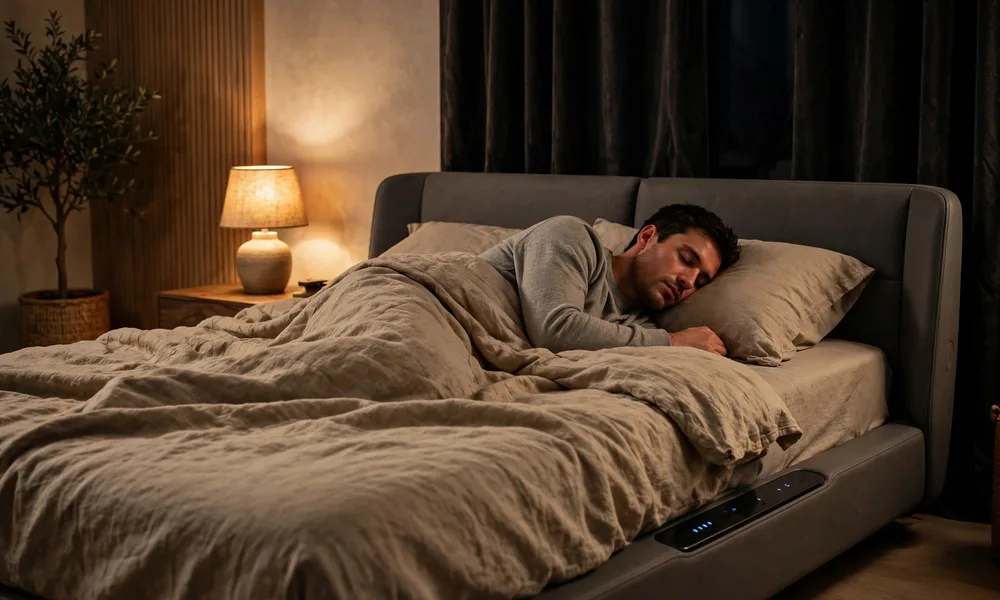
Most people spend a third of their lives in bed, on a mattress they chose in ten minutes in a shop. A luxury smart bed asks what happens if you treat those eight hours a night as seriously as the sixteen awake ones. It adjusts its firmness as you move, warms your feet before you climb in, cools your side of the bed while your partner stays warm, and wakes you gently at the lightest point of your sleep. It is a mattress, a machine and a sleep laboratory, folded into one very expensive piece of furniture.
The price is the first shock. A good mattress costs a thousand pounds. A luxury smart bed can cost twenty times that, and the most extreme models pass a hundred thousand. The gap is not the fabric or the brand name, though both play their part. It is the engineering underneath: air chambers, sensors, motors, cooling systems and software, all working together while you sleep, and all built to survive a decade of nightly use without a single complaint.
Why a Luxury Smart Bed Costs So Much
| Cost Driver | What It Adds | Typical Cost |
|---|---|---|
| Adjustable air chambers | Firmness per side, auto adjustment | $2,000 to $5,000 |
| Climate control | Heating and cooling per side | $1,500 to $4,000 |
| Sleep sensors | Heart rate, breathing, movement | $800 to $2,000 |
| Adjustable base | Head and foot lift, zero gravity | $1,500 to $5,000 |
| Premium materials | Natural latex, horsehair, wool | $2,000 to $10,000 |
| Craftsmanship | Hand built, tufted, tailored | $3,000 to $20,000 |
| Software and service | App, updates, white-glove delivery | $500 to $3,000 |
These are typical figures, not promises. A bed with brilliant sensors and cheap foam will still sleep badly, while a hand-built mattress with no technology will never adjust itself as your body changes through the night.
The Air Chambers Underneath
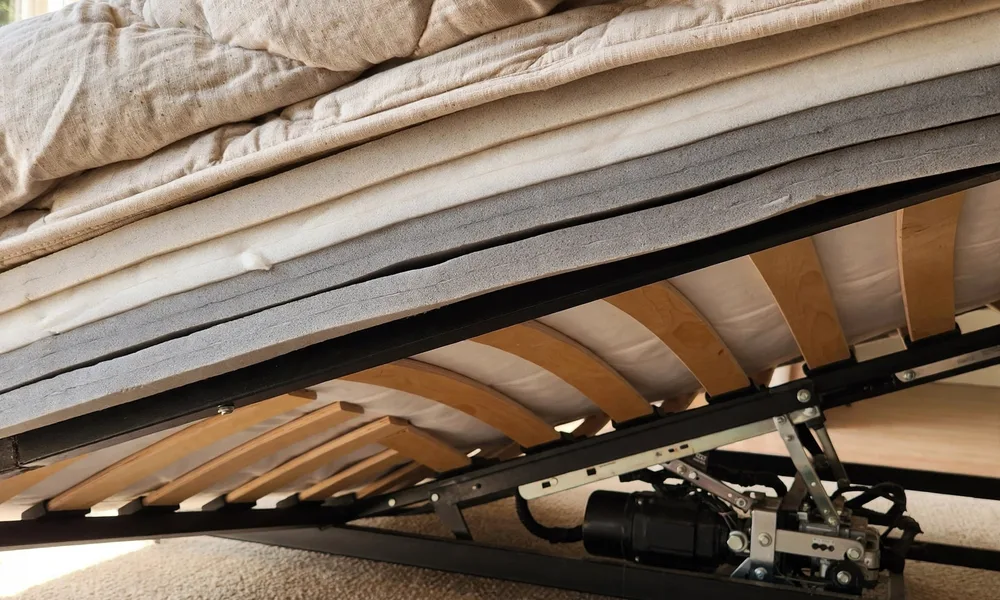
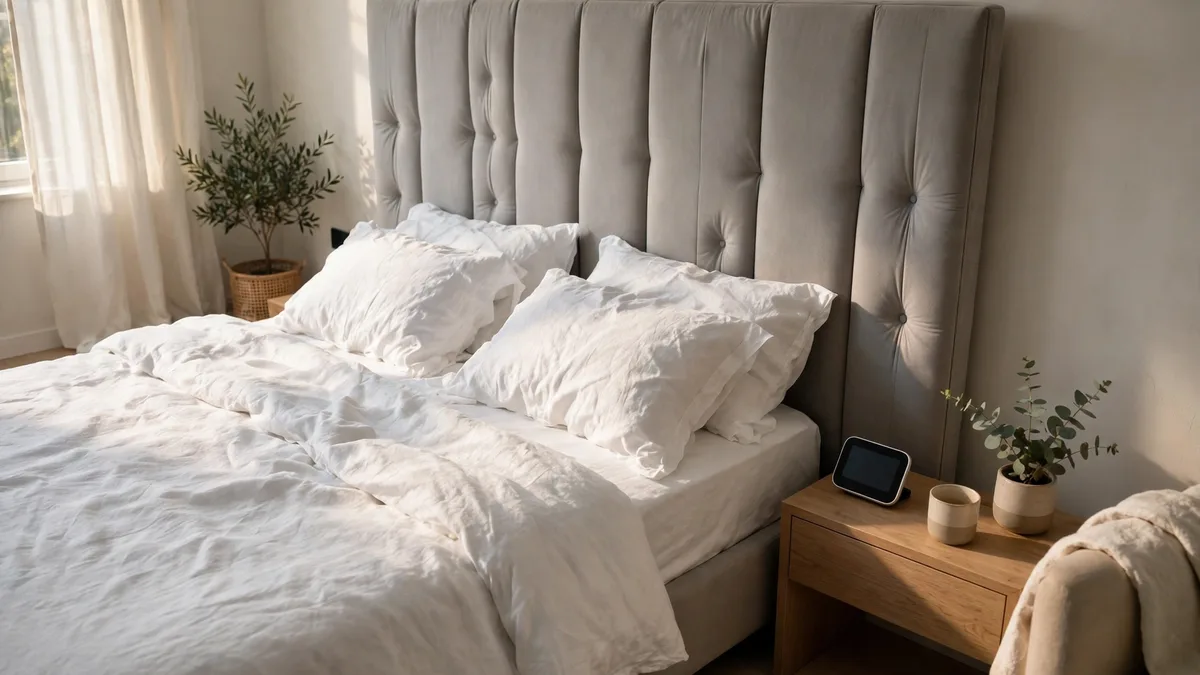
The heart of a smart bed is a set of air chambers instead of springs. Each side of the bed has its own chambers, and a quiet pump adjusts the air pressure in small steps, making your side firmer or softer without disturbing your partner. Some beds adjust once, when you set them up. The best ones adjust all night, responding to how you move, how you breathe and where your weight sits, so the bed is never quite the same at three in the morning as it was at eleven.
That constant adjustment is harder than it sounds. The pump must be silent, because a bed that hums you awake is worse than a dumb mattress. The chambers must hold their pressure for years without leaking, and the sensors must tell the difference between you rolling over and you getting up for water. When it works, the effect is real: sleepers report fewer wake-ups and less morning stiffness, though the size of the benefit varies from person to person, and no bed can fix a bad sleep schedule on its own. The luxury smart ring specs show the same sensing idea worn on a finger, tracking heart rate and movement through the night, and the bed’s sensors do the same job without anything touching your skin at all.
Climate control is the second great trick. Most people sleep best in a cool room, around eighteen degrees, but partners rarely agree on what cool means. A smart bed solves the argument by heating and cooling each side separately, using water or air circulated through the mattress. Your side can be cool while your partner’s side is warm, and the bed can drop the temperature as you fall asleep and raise it gently before you wake. It is a small luxury, and it is the feature owners say they would miss most if it were taken away.
Materials, Craft and the Hundred-Thousand Bed
At the top of the market, the technology is only half the story. The most expensive beds are hand built by craftsmen who spend days on a single mattress, layering natural latex, horsehair, wool and cotton, then tufting the whole thing by hand so the layers stay in place for decades. Horsehair breathes and springs back for years, wool regulates temperature, and latex gives support without the heat of memory foam. These materials cost far more than foam and springs, and they last far longer too, which is part of the justification for the price.
The adjustable base adds its own cost. A good base lifts the head and feet independently, holds a zero-gravity position that takes the pressure off your back, and can even raise your partner’s head gently if it hears snoring, without waking either of you. The motors must be strong enough to lift a person and a heavy mattress, yet quiet enough to run at night, and the frame must be built to carry the load for a decade. The luxury smartphone specs explain why the phone matters here as well, because the bed is controlled from an app, and the phone is where your sleep scores, your settings and your alarm all live.
As an estimate, a good smart bed costs about $3,000 to $6,000, a luxury model about $8,000 to $20,000, and a hand-built flagship about $30,000 to $100,000, before delivery and installation, which can add $500 to $2,000 for white-glove service. A smart bed should last ten to fifteen years, which softens the price, but only a little. The honest question is not whether the bed is worth the money in general, but whether you will notice the difference every night, and whether that difference is worth the price of a small car.
The app is where the bed’s intelligence becomes visible. Each morning it shows a sleep score, built from how long you slept, how often you moved, how your heart rate changed through the night and how much time you spent in deep sleep. Over weeks it builds a picture of your patterns, showing which nights were best and what changed on the nights that were not. The score is a guide rather than a medical verdict, but for people who have never seen their sleep laid out in front of them, it can be the nudge that finally fixes a late bedtime or a room that is too warm.
A Rare Fact From the Bedroom World
Here is a detail few sleepers ever learn: the most expensive bed ever sold cost more than a million dollars, and it was filled with horsehair, cashmere and silk, then delivered by a team that assembled it in the buyer’s bedroom. The bed’s makers claim it took more than six hundred hours to build, and the buyer reportedly sleeps on it every night. The why the luxury smart glasses are so expensive story shows the same pattern in a smaller package, where hand assembly, rare materials and tiny production runs push a useful device into the price range of a luxury good.
What the Price Means for You
If you are shopping for a smart bed, start with four things: adjustable firmness per side, climate control, sensor quality and the base. A bed that adjusts both sides independently, cools and warms them separately, tracks your sleep without a wearable and lifts into a comfortable reading position is worth a serious look. The hand-built materials matter if you keep a bed for fifteen years, and they matter far less if you move house every two. The best smart bed is the one you stop thinking about, because it has quietly learned how you sleep and adjusted itself to match.