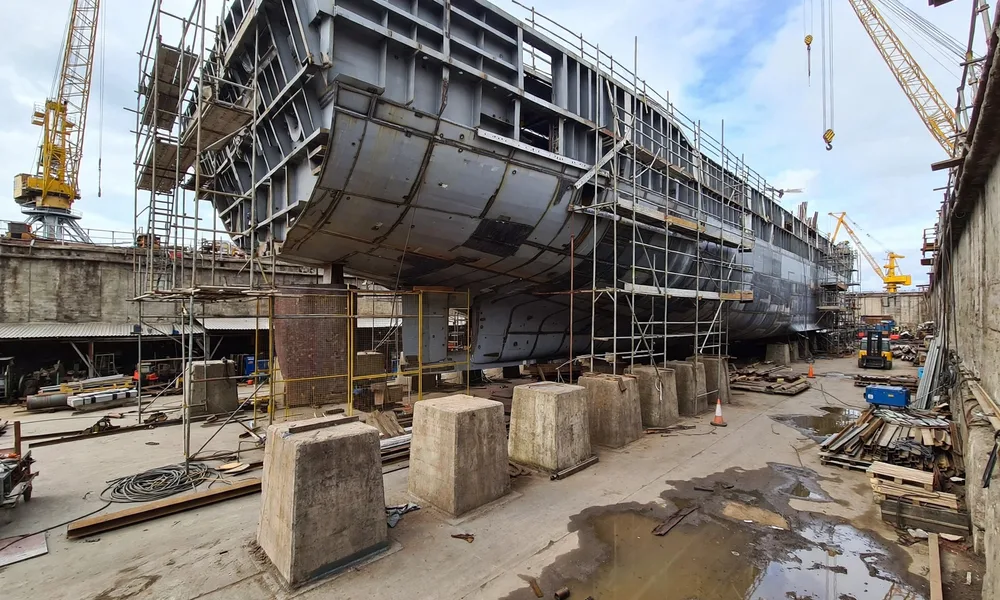
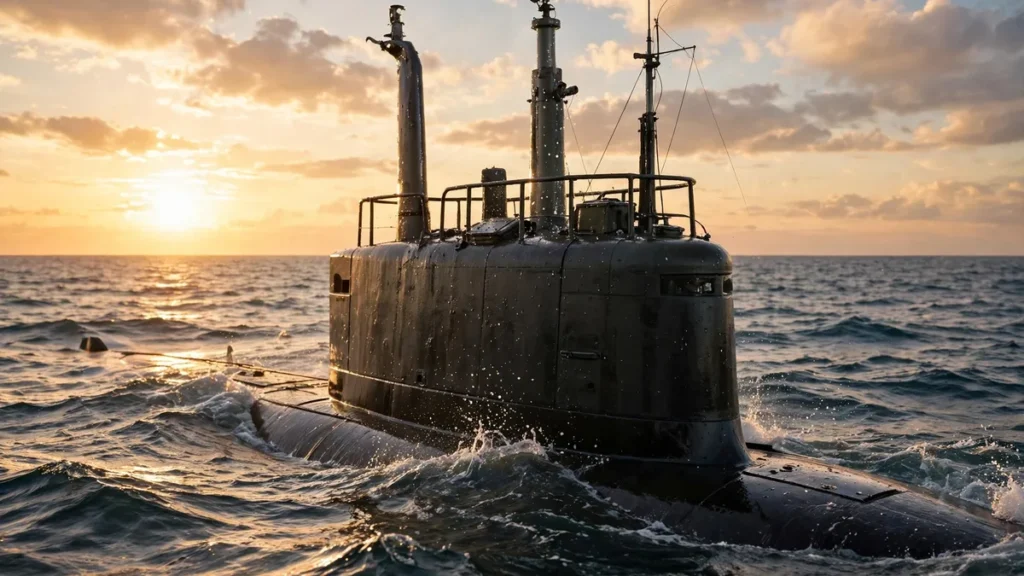
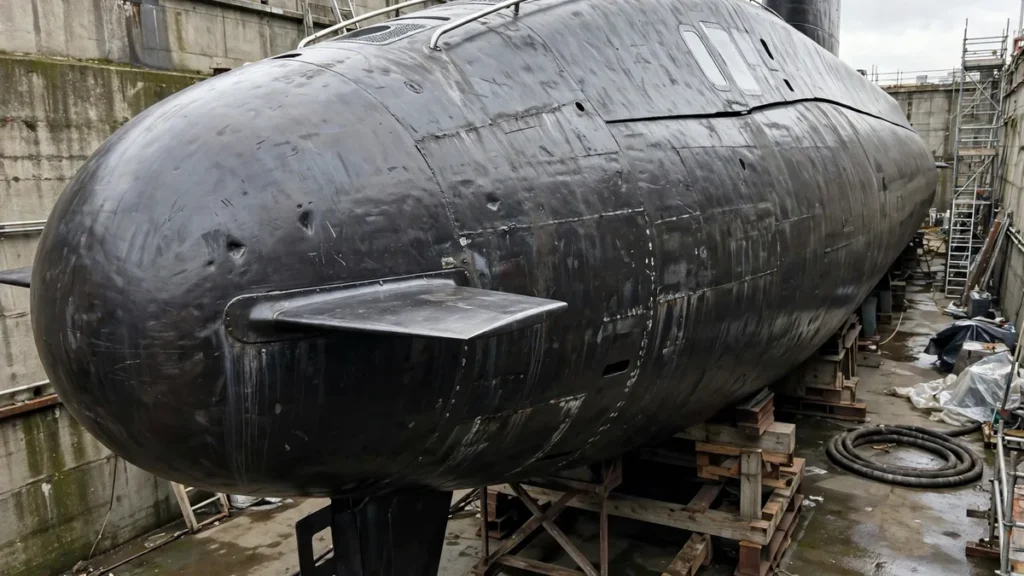
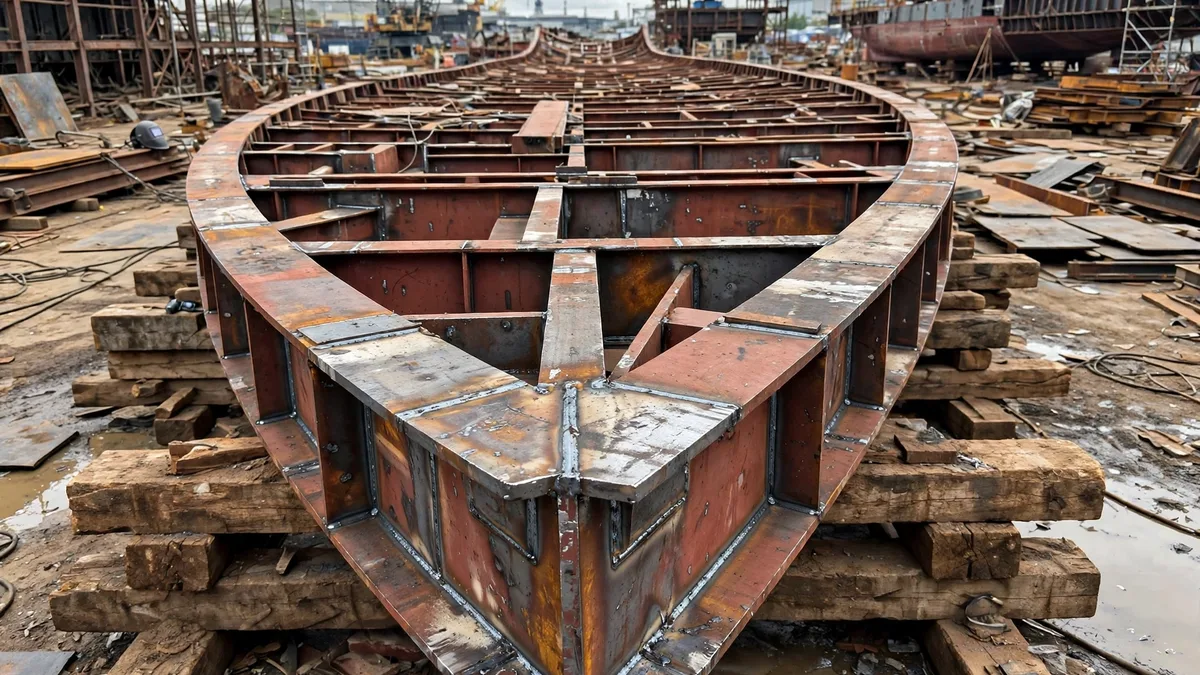
Every great ship begins as a single piece of steel lying on blocks in a shipyard, and nobody applauds it. There are no guests, no champagne, no speeches yet. There is only a long, curved spine of metal, a crew of welders, and a crane waiting overhead. That spine is the keel, the backbone of the ship, and everything else in the vessel will be built around it. The hull plates, the decks, the engines and the cabins all hang from the keel or stand on it, and if the keel is wrong, nothing that follows can make the ship right.
The keel is also where a luxury ship’s money starts to disappear. It is not a part you can buy off a shelf or order in a hurry. It is designed for one ship alone, forged and welded from special steel, tested to destruction in the yard’s laboratory, and laid down in a ceremony that shipbuilders have kept for centuries. A luxury ship’s keel can cost more than a whole fleet of small boats, and the reasons have nothing to do with fashion. They have everything to do with physics.
The Steel Alone Is a Fortune
A keel is not made from ordinary steel. It is made from high-strength marine steel, rolled in plates so thick that a single sheet can weigh as much as a car, and each plate must be tested for cracks, impurities and weak spots before it is allowed near the ship. The steel has to bend without breaking in a storm, resist the salt water for decades, and carry the entire weight of the ship when the vessel sits in dry dock on its keel alone. A small flaw in the wrong place can become a crack that grows with every wave, so the mill that makes the steel charges for the testing as much as for the metal.
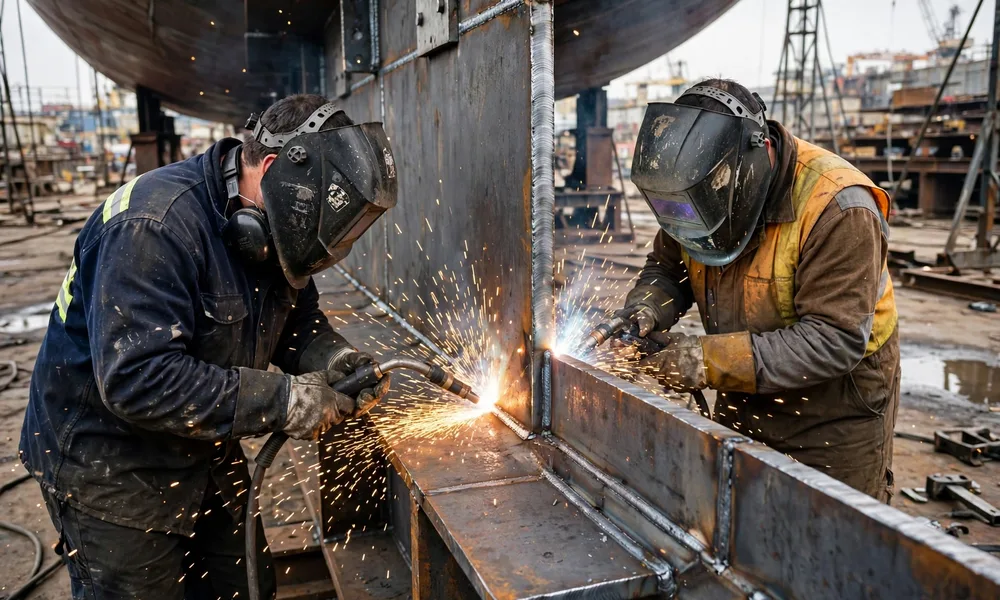
The plates are then cut, bent and welded into the long spine that will run the full length of the ship. On a large luxury vessel that spine can stretch for more than a hundred metres, and every joint along it must be welded by a certified specialist and checked with ultrasound or X-rays. A single bad weld can hide under the paint for years before it fails, so the yard inspects each one as it goes. The how the carbon fibre yacht hull is made story shows the same obsession with structure in a different material, where the hull is the thing that keeps the sea out, and the keel is the thing the hull hangs from.
Weight is the hidden cost. A keel must be heavy enough to keep the ship stable, yet light enough not to waste fuel for the next thirty years. Naval architects spend months balancing that equation, and the steel they choose is the result. Cheap steel is heavier for the same strength, so a ship built from it burns more fuel on every voyage. The expensive steel pays for itself in the long run, and the buyer pays for it up front.
One Keel, One Ship, No Shortcuts
Nothing about a luxury keel is mass-produced. Each one is drawn for a single hull, with curves that match that ship’s lines and no other. The plates are rolled to order, the frames are cut to order, and the jigs that hold them in place are built once and then scrapped. A car factory spreads the cost of its tooling across a million vehicles. A shipyard spreads the cost of its keel jigs across one ship, and the buyer carries all of it.
The laying of the keel is also a ritual with real engineering behind it. The first section is lowered onto the blocks and checked for level to within millimetres, because a keel that starts crooked will make the whole ship crooked. Surveyors measure it again and again as the sections are added, and the yard will not move on until the line is true. The how the luxury ship anchor is made story shows the same one-off thinking in a smaller part, where a single anchor is forged for a single ship, and the keel is that idea at the scale of the whole vessel.
Testing, Classification and the Price of Trust
A keel cannot be tested by taking the ship for a spin and seeing what happens. It is tested before the ship ever touches water, and the testing is ruthless. Welds are X-rayed, plates are hammered and bent, and samples of the steel are pulled apart in machines until they break, so the engineers know exactly where the limit lies. Then a classification society, an independent body of surveyors, inspects the whole structure and stamps it as fit to sail. Without that stamp, no insurer will cover the ship and no port will welcome it.
The classification process adds months and money, but it is also what makes the keel valuable. A buyer is not just paying for steel. They are paying for a document that says the backbone of their ship has been checked by people with no interest in the sale. The how the luxury ship propeller is made story shows the same independent inspection in another part of the ship, where a propeller is balanced and tested before it is allowed near the water, and the keel goes through the same gauntlet at a far larger scale.
As an estimate, the keel structure of a large luxury ship costs about $2 million to $8 million, the specialist steel about $500,000 to $2 million of that, and the welding, inspection and classification about $1 million to $3 million more. A superyacht keel is smaller, at an estimated $500,000 to $2 million all in. These are estimated ranges, not quotes, and the final figure depends on the size of the ship, the yard and the class of steel. What never changes is that the keel is the cheapest place to spend money and the most expensive place to save it, because a failure down there cannot be fixed at sea.
A Rare Fact From the World of Keels
Here is a detail few ship lovers ever learn: the keel-laying ceremony is older than the ships it celebrates. Builders once placed a coin under the keel for luck, and the tradition survives today in the form of coins welded into the keel or laid beneath it before the first section is set down. Some yards use a coin from the year the ship is built, others a coin from the owner’s home country. The coin will never be seen again once the ship is finished, sealed inside the steel for the life of the vessel, carrying a wish that the keel it rests on will hold.
What the Price Means for You
If you are wondering why a luxury ship’s keel costs so much, look at four things: the steel, the one-off design, the welding and the testing. Special steel, a keel drawn for one ship alone, welds checked one by one and a classification stamp that no insurer will argue with are the marks of a keel worth its price. The ceremony matters less than the brochures suggest, and the surveyor’s report matters more than anyone admits. The best keel is the one nobody ever thinks about again, because it does its job for thirty years in silence, holding up everything above it.