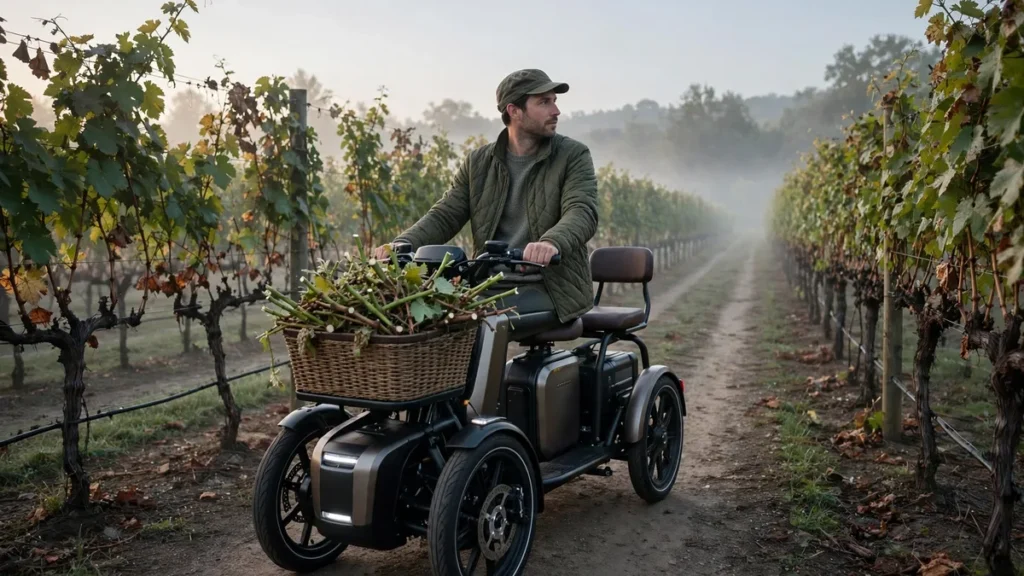
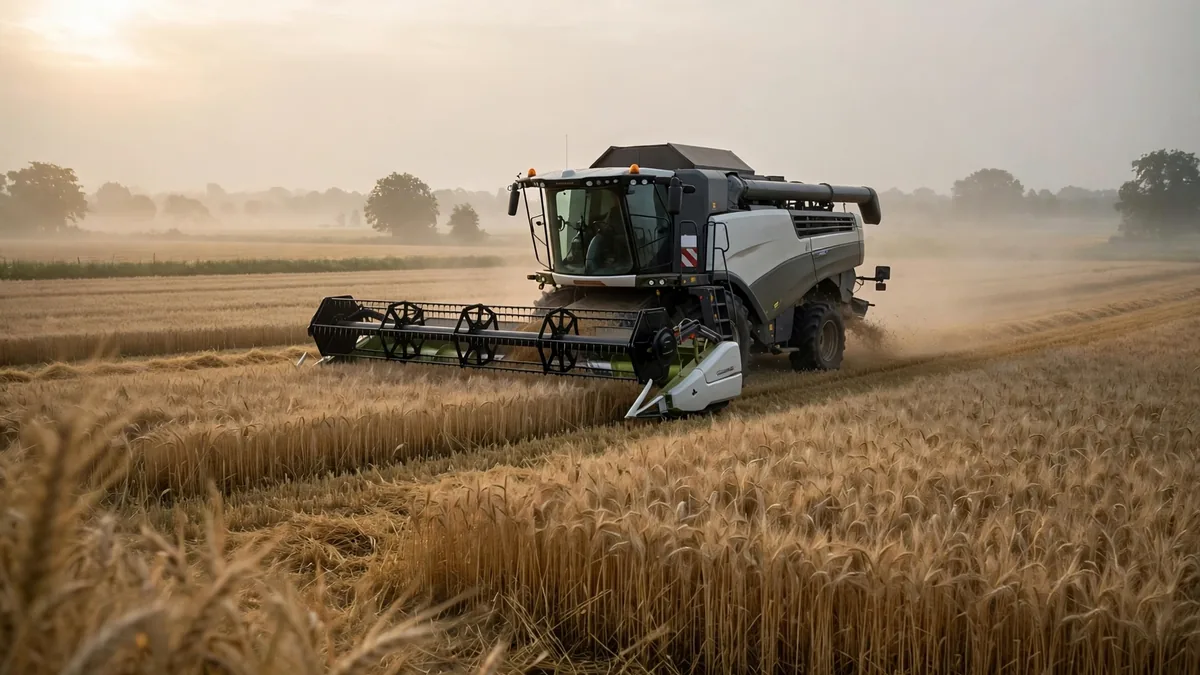
At dawn on a big estate farm, the mist is still sitting low over the wheat when a machine the size of a small house rolls out of the barn without a sound. There is no diesel rumble, no puff of exhaust, and no smell of fuel in the cool air. It is a luxury electric harvester, and it is about to do a day of work that once took a whole crew of men and horses, then a whole crew of diesel machines, all by itself and almost silently.
A luxury electric harvester is a farm machine that cuts, threshes and cleans a crop in one pass, powered only by batteries and electric motors. Building one means joining the old craft of farm engineering with the newest electric vehicle technology, because the machine must be strong enough to work a dusty field for fourteen hours and refined enough that its owner can run it from a quiet, air-conditioned cab. Every part of it, from the steel frame to the software that steers it, is made to last and to work cleanly.
How It’s Made
Step 1: Building the steel frame and chassis
The harvester starts as a frame of thick steel, cut and welded by hand and by robot in a factory hall. The frame has to carry the weight of the cutting header at the front, the threshing drum in the middle and the grain tank at the back, and it has to stay rigid when the machine is bouncing across a rough field. Workers weld the main rails first, then add the cross members that tie the whole frame together into one stiff box.
The frame is then checked for straightness and stress, because a frame that flexes will wear out its bearings and shake the cab. The same care with a strong frame underneath a heavy machine appears in other electric vehicles, and the way a luxury electric tractor is made shows how an electric farm machine starts with a chassis built to take punishment.
Step 2: Fitting the battery pack and electric motors
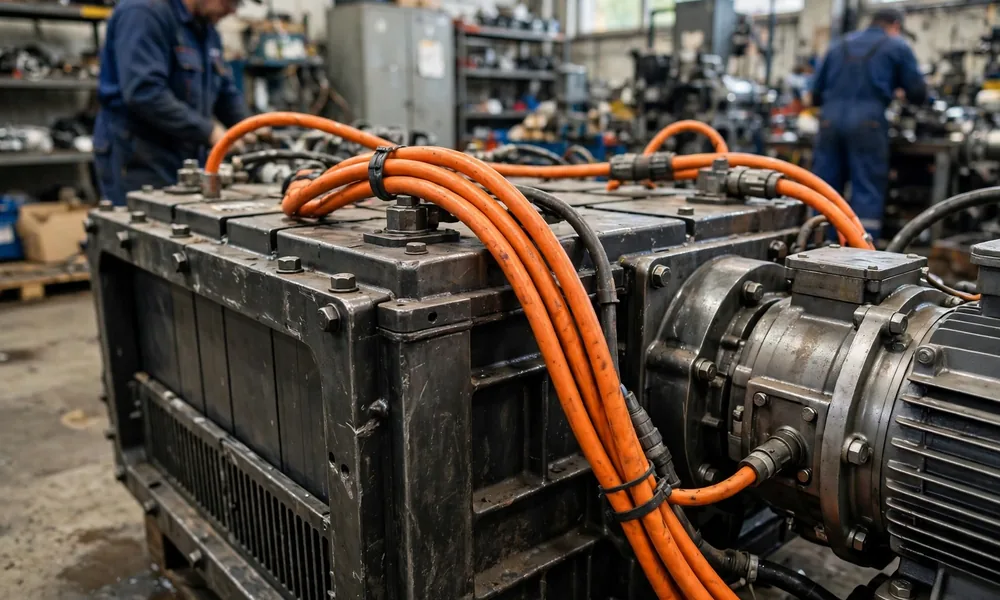
Where a diesel harvester has a fuel tank and a roaring engine, the electric harvester has a battery pack the size of a small car, bolted low in the chassis to keep the machine stable.
Separate electric motors drive the wheels, the cutting header and the threshing drum, so each part of the machine gets exactly the power it needs and no more. The motors are quiet and they give full pulling power from a standstill, which is why the harvester can start moving through a thick crop without the lurch of a diesel engine.
Step 3: Making the cutting header
At the front of the harvester sits the header, a wide bar of steel with a reel that sweeps the crop into a spinning cutter. The header on a luxury machine can be wider than a country road, so it folds up for the journey to the field and opens out again once it is there. Its cutter bar is made of hardened steel teeth that are sharpened and balanced so they slice the stalks cleanly instead of tearing them.
The header is built as its own unit, tested on a bench before it is bolted to the harvester. Engineers run it for hours, watching for vibration and wear, because a header that shakes will scatter grain on the ground and waste the crop.
Step 4: Building the threshing and cleaning system
Behind the header, the crop enters the threshing drum, a heavy steel cylinder covered in bars that spins and beats the grain out of the stalks. In a luxury electric harvester the drum is driven by its own electric motor, so its speed can be changed in small steps to suit wheat, barley, oats or oilseed, without wasting energy. The drum and the concave plate beneath it are machined to fine tolerances, because the gap between them decides how much grain is freed and how much is damaged.
After threshing, the grain falls onto sieves and fans blow away the chaff and dust, leaving clean grain that is lifted into the tank. A well built threshing system is what separates a good harvester from a great one, and the same attention to a machine that must work all day appears in the way a luxury tractor is made, where strength and endurance matter more than speed.
Step 5: Fitting the cab and the controls
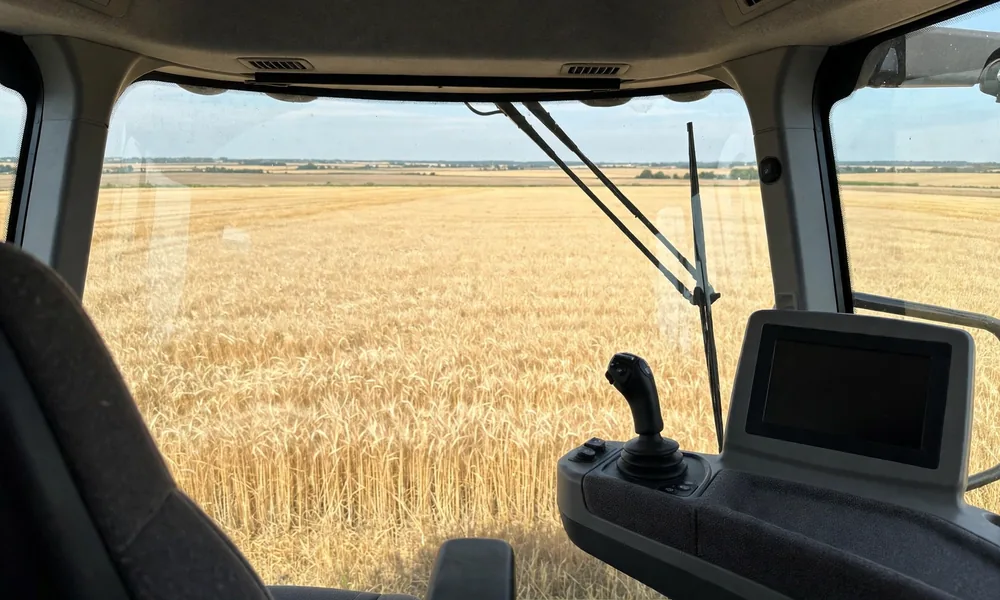
The cab is the operator’s office, and in a luxury harvester it is a quiet, comfortable room with a panoramic view over the header. It sits on springs and dampers that soak up the shaking of the field, and its glass is tinted and laminated to keep out the heat and the dust.
The controls are simple by design. One joystick drives the machine forward and steers the header, and the screen handles the rest, from the speed of the drum to the height of the cutter. The harvester can even steer itself along the rows using satellite guidance, so the operator can watch the grain instead of the wheel. The cab is fitted last, after the machine has been tested, so its clean interior stays clean.
Step 6: Testing, charging trials and the first harvest
Before a luxury electric harvester leaves the factory, it is tested harder than any farm machine has a right to be. It is driven over rough ground, its battery is charged and drained in full, and its threshing drum is run at full speed for hours.
Then the harvester goes to a real field for its first harvest, where the factory engineers watch it work a full day alongside the farmer who will own it. Only when it has cut, threshed and cleaned a full load without a fault is it handed over. The same long proving run is part of every heavy electric vehicle, and the way a luxury electric truck is made shows how a big battery machine is tested before it is trusted with real work.
| Specification | Typical luxury electric harvester |
|---|---|
| Power source | Large lithium battery pack, charged overnight |
| Drive motors | Separate electric motors for wheels, header and drum |
| Header width | Wide folding header, wider than a country road |
| Threshing | Electric drum with adjustable speed for each crop |
| Grain cleaning | Sieves and fans that separate clean grain from chaff |
| Cab | Suspended, air-conditioned, satellite-guided steering |
| Working time | A full working day on one overnight charge |
| Noise | Near silent in the field, no diesel exhaust |
A luxury electric harvester is an estimate of $500,000 to $900,000, depending on the size of the header, the size of the battery and the level of automation in the cab. The price covers the machine, the battery, the charging equipment and the first years of software and support, and it is a large part of the cost of running a modern estate farm without diesel.
Here is a rare fact worth knowing. The first harvesters were pulled by horses and needed a team of men walking behind them to gather the grain, and the driver sat on the machine with the dust and the noise right in his face. A modern electric harvester does the whole job alone, and its operator can listen to music in an air-conditioned cab while the machine steers itself.