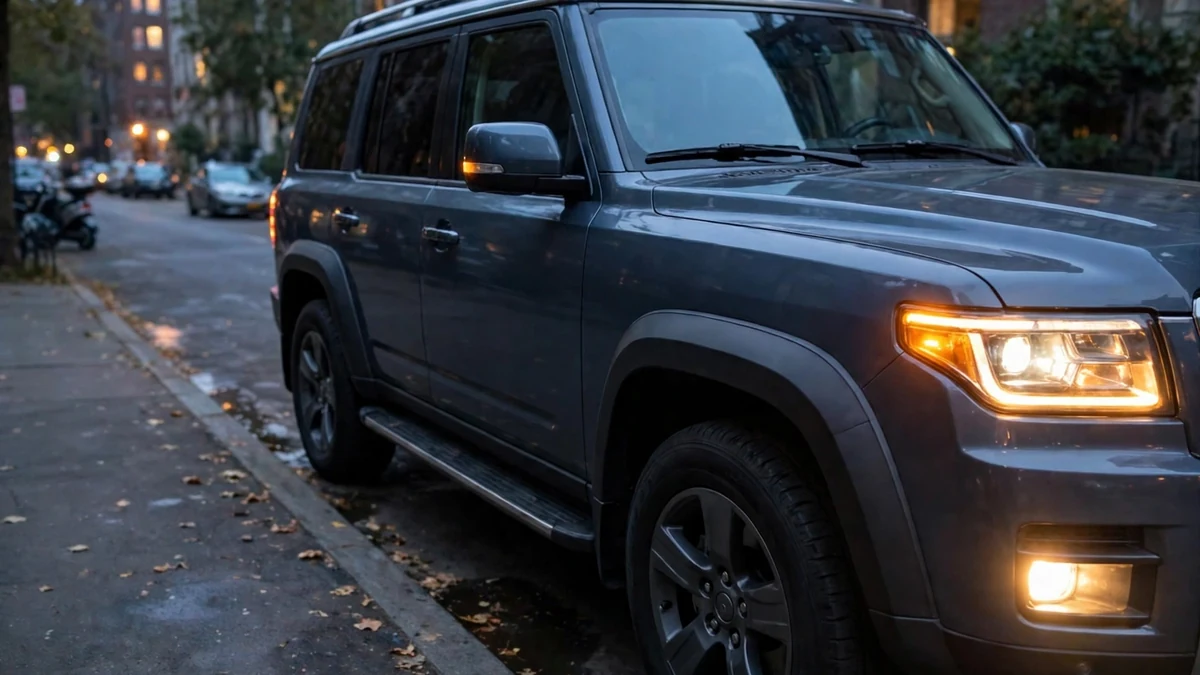
You press a button, the big car rises a few centimetres on its suspension, and the view over the traffic changes completely. The engine is barely audible, the seats are warm, and the road ahead looks small from up here. A luxury SUV feels effortless, as if size and weight were never a problem at all.
That ease is engineered. Under the leather and the wood, a luxury SUV is a clever system of engines, electronics and suspension, all working together to make a tall, heavy car feel light and quiet. This is how it works, from the moment you press start to the moment it parks itself.
Step 1: The engine makes effortless power
At the heart of a luxury SUV is an engine built for torque, the pulling force that moves a heavy car without strain. Most use a turbocharged six-cylinder, a V8, or a hybrid that pairs an engine with electric motors, and all of them are tuned to deliver their power low down, so the car moves with a gentle press of the pedal rather than a roar.
The engine is mounted on soft supports that soak up vibration, and it is wrapped in sound deadening so little noise reaches the cabin. A hybrid system can move the car on electric power alone at low speed, which is why a luxury SUV can glide silently through a car park. The way such a car is put together in the factory is covered in the guide to how a luxury SUV is made, and the same care that goes into building it goes into keeping it quiet in use.
Step 2: The gearbox and four-wheel drive share the work
Power from the engine goes through an automatic gearbox with eight or more gears, which keeps the engine in its quiet, efficient range at almost any speed. The gearbox shifts so smoothly that most drivers never feel it change, and it can hold a lower gear on a hill or coast in neutral to save fuel when the road allows.
From the gearbox, power flows to all four wheels through a four-wheel-drive system that can send more power to the axle with the most grip. On a dry road it behaves like a rear-wheel-drive car, and on a wet or slippery surface it shares the work around in milliseconds, before the driver even notices a slide. The electric cars of the same family do the same job with motors instead of shafts, as the guide to how a luxury electric car works explains, and the SUV borrows their instant, silent response.
Step 3: Air suspension reads the road
A luxury SUV rides on air suspension, where each wheel sits on a rubber bag filled with compressed air instead of a steel spring. Sensors read the road hundreds of times a second, and a compressor adds or releases air to keep the body level over bumps, in corners and under braking, so the cabin barely moves while the wheels work hard underneath.
The driver can raise the body for rough ground or lower it for easy entry and for motorway driving, where a lower car uses less fuel. It is the system that makes a car weighing more than two tonnes ride like a much smaller one.
Step 4: Steering, brakes and stability work together
Steering in a luxury SUV is light at parking speed and heavier as speed rises, so the big car feels easy to manoeuvre and steady on the motorway. Some models steer the rear wheels slightly too, turning them the opposite way at low speed to shrink the turning circle, and the same way at high speed to steady a lane change.
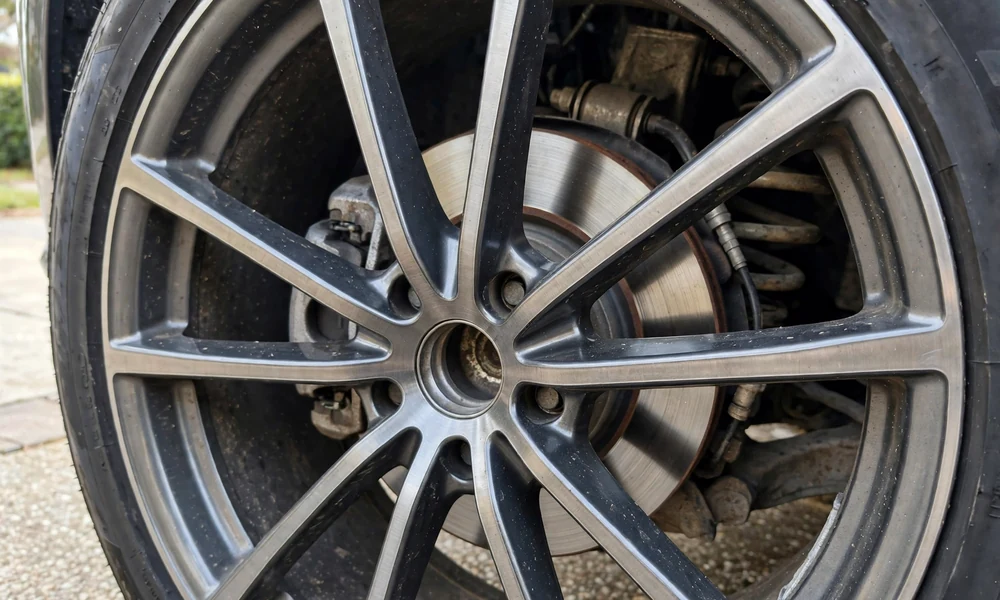
Braking is shared between large disc brakes and, on hybrids, the electric motors, which recover energy as the car slows. Stability systems watch the car’s speed, steering angle and grip, and brake individual wheels to stop a skid before it starts. The long-distance grand tourers of the same family use similar systems at higher speeds, as the guide to how a luxury grand tourer works shows, and the SUV tunes them for a taller, heavier body.
Step 5: The cabin systems look after everyone inside
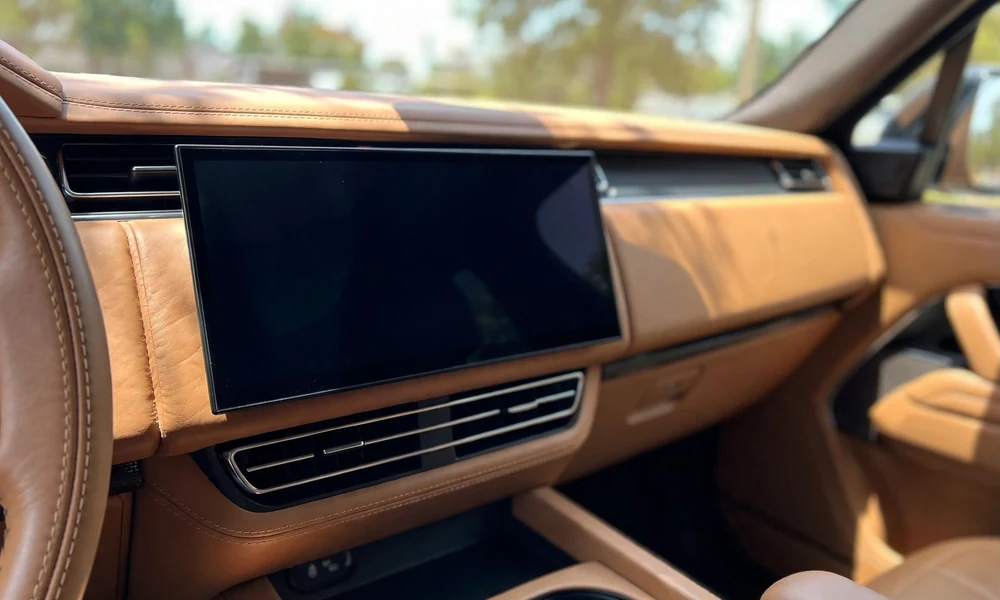
Inside, the SUV works to keep its occupants comfortable without them asking. Climate control is split into zones, so the driver, the front passenger and the rear passengers can each choose their own temperature. Seats are heated, cooled and massaged, and the air is filtered and fragranced as it enters the cabin.
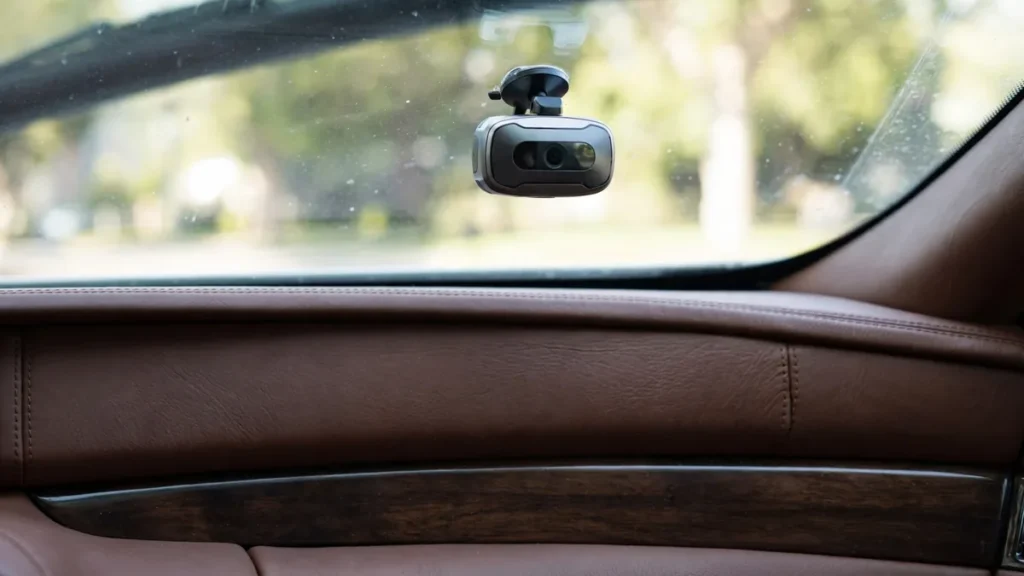
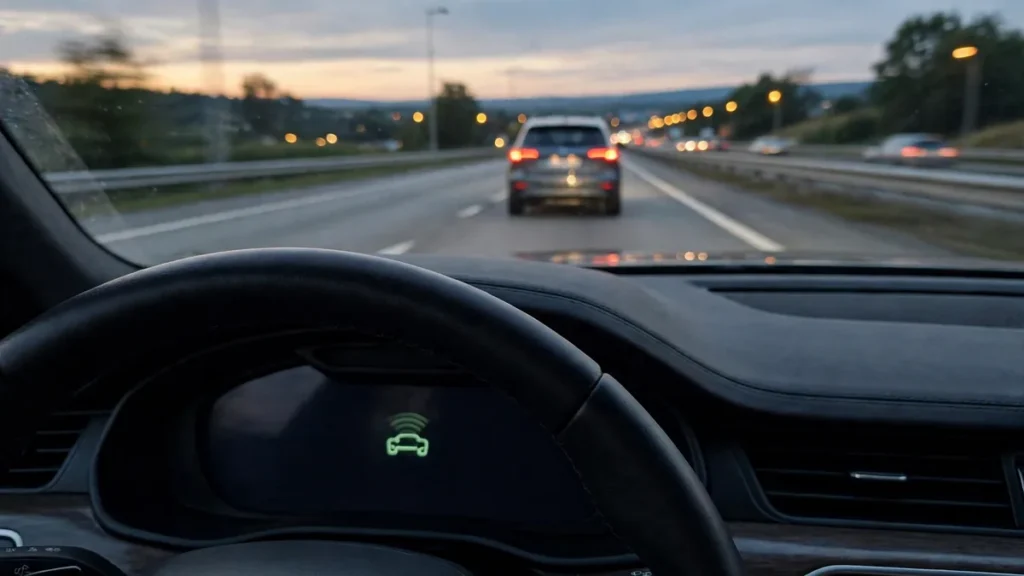
Screens show navigation, cameras and media, and the sound system is tuned to the shape of the cabin, with speakers placed to fill every seat evenly. Driver-assistance systems watch the road ahead, keep the car in its lane, and warn of traffic in blind spots. The car is doing far more than driving; it is managing the whole journey.
Step 6: Off-road modes and the daily drive
When the road ends, a luxury SUV changes character. The driver selects a terrain mode for mud, sand, snow or rock, and the car adjusts its suspension height, throttle response, gearbox and traction control to suit. Hill descent control holds a steady slow speed down a steep slope, so the driver only has to steer.
Back on the road, the same car settles into a quiet cruise, its engine barely ticking over, its cabin sealed from wind and tyre noise. That double life, rough ground one hour and motorway the next, is the point of the machine.
Specifications at a glance
| Feature | Typical luxury figure |
|---|---|
| Engine | Turbo six-cylinder, V8 or hybrid, about 400 to 600 horsepower |
| Gearbox | Eight-speed automatic or more |
| Drive | Four-wheel drive with variable torque split |
| Suspension | Air suspension, adjustable ride height |
| Acceleration 0 to 60 mph | About 4.5 to 6.0 seconds |
| Towing capacity | About 2,500 to 3,500 kilograms |
| Seats | Five or seven, with heated and ventilated leather |
What it costs
A luxury SUV typically costs between about $90,000 and $200,000, and these are estimates, not fixed prices. The price rises with engine power, with a V8 or a long-range hybrid costing far more than the base model, and with options such as rear-seat screens, a premium sound system and an off-road package. Running costs are real too: large tyres, heavy fuel use and specialist servicing add up, and buyers pay for a car that does the work of several cars at once.
A rare fact
Some luxury SUVs can lower themselves when parked, sinking down on their air suspension so that passengers can step in and out easily, then rising again when the engine starts. The same system can raise the car by the height of a kerb when it senses rough ground ahead. It is a party trick with a purpose, and it is the reason a car this tall never feels like a climb to get into.
From engine to air suspension, a luxury SUV works by hiding its own effort. The driver feels only the result: a quiet cabin, a smooth ride, and a car that seems to know what the road needs before it is asked.