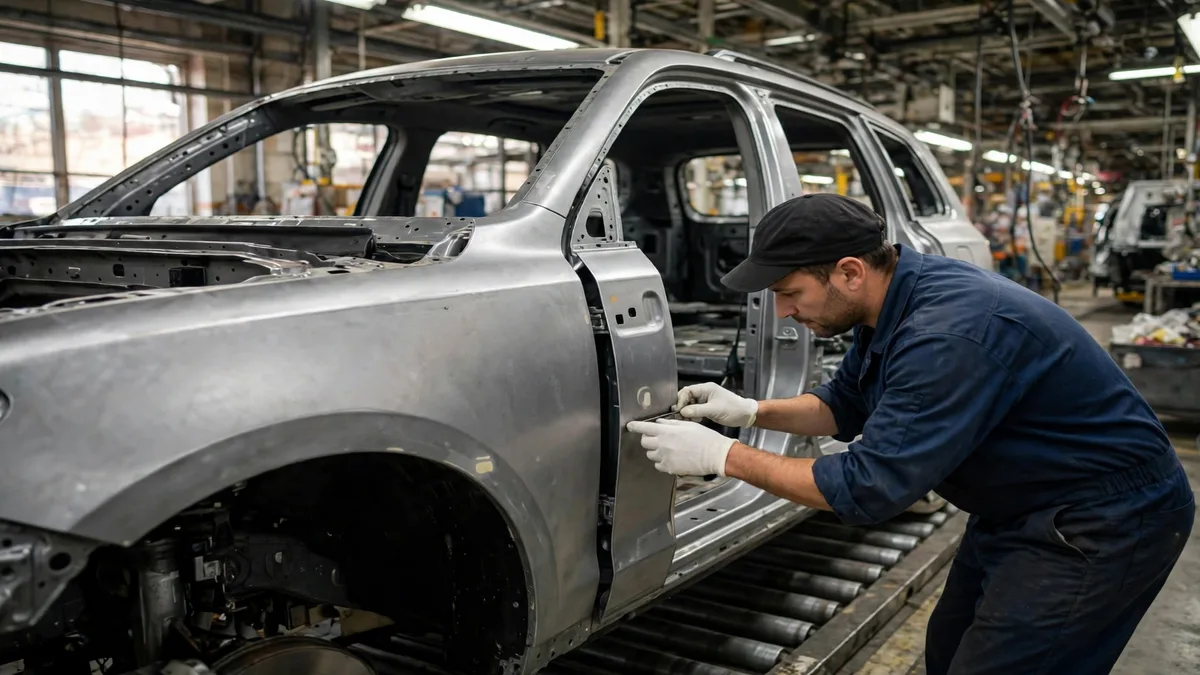
On the factory floor in Crewe, the body of a luxury SUV glides down the line on a silent conveyor, already painted a deep green that seems to change colour as the lights pass over it. A craftsman in white gloves runs his hand along the shut line of the rear door, checking a gap measured in fractions of a millimetre. Somewhere nearby, a V8 engine is being lowered into a chassis with the slow care of a heart surgeon.
A luxury SUV is a contradiction on wheels. It must be big enough to tow a horsebox and wade through a river, yet quiet enough that a whisper carries across the cabin. It must feel like a drawing room at motorway speed and like a tractor on a muddy field. Building one means joining two worlds that barely speak to each other: handcraft and heavy engineering.
The factory that builds it is part atelier, part laboratory. Hides of leather are inspected under daylight lamps, wood veneers are matched by eye, and aluminium body panels are pressed by robots that never tire. A single luxury SUV takes around 400 hours of labour to build, and a surprising amount of that time is spent on things the owner will touch: the steering wheel, the door handle, the knurled metal of a rotary dial.
How It’s Made
- Chassis and body structure. The build starts with a steel ladder frame or an aluminium monocoque, chosen for the blend of strength and weight the designers want. Robots weld and bond the structure, and lasers measure it to within a tenth of a millimetre. The body is then dipped in anti-corrosion baths and painted in a multi-layer process that takes a full day.
- Engine and drivetrain. The engine, often a twin-turbo V8 or a hybrid V6, is assembled on a separate line and tested on a dynamometer before it ever meets the car. It is married to an eight-speed automatic gearbox and a four-wheel-drive system with a centre differential, low-range gearing, and locking differentials for serious off-road work.
- Air suspension and chassis systems. Luxury SUVs ride on air suspension that can raise the body by 75 millimetres for off-roading or lower it for motorway cruising. Engineers fit adaptive dampers, active anti-roll bars, and rear-wheel steering, then calibrate the whole system on a rolling road so the car feels planted at any speed.
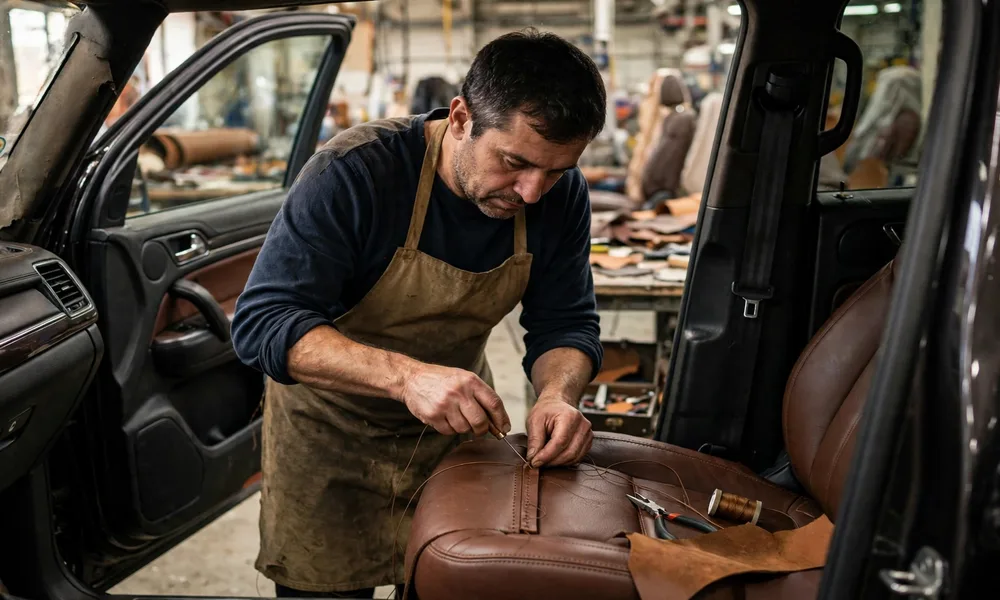
- Interior trim and leather. This is where the hours pile up. A single SUV can use fifteen hides of leather, each inspected for scars and stretched by hand over the seats. Wood veneers are cut from the same tree so the grain matches across the dashboard, and metal trim is polished until it feels warm to the touch. The cabin is assembled in a dust-free room, because a single speck under the leather is a defect.
- Electronics and software. Modern luxury SUVs carry more than a hundred electronic control units and kilometres of wiring. Technicians install the infotainment screens, the head-up display, the night-vision camera, and the driver-assistance sensors, then flash the car’s software and run a full diagnostic.
- Water testing and road testing. Every SUV is driven through a monsoon booth that sprays it with thousands of litres of water to find leaks, then taken onto a test track for high-speed runs, braking tests, and a wading pool that checks the seals at maximum depth. A small number of cars are pulled off the line for a longer road test of several hundred kilometres.
- Final inspection and delivery. Inspectors walk around the car with lights and mirrors, checking paint, panel gaps, and interior finish. The car is detailed by hand, its software is updated one last time, and it is driven onto a covered transporter.
The quiet is the hardest part to engineer. A luxury SUV at 120 km/h must be quieter inside than a normal car at 60, so engineers use acoustic laminated glass, active noise cancellation through the speakers, and hundreds of small foam blocks stuffed into body cavities. The engine mounts are hydraulic, the exhaust is tuned to cancel its own drone, and even the door seals are designed in three layers. Silence, it turns out, is one of the most expensive options on the car.
Key Specifications
| Specification | Typical Value |
|---|---|
| Engine | 4.4-litre twin-turbo V8 |
| Power | 523 hp |
| Torque | 750 Nm |
| 0–100 km/h | 4.6 seconds |
| Top speed | 250 km/h |
| Towing capacity | 3,500 kg |
| Wading depth | 900 mm |
| Weight | 2,700 kg |
| Boot space | 750 litres |
| Build time | 400 labour hours |
Those numbers tell a story of compromise made to look effortless. A car that weighs 2.7 tonnes and still reaches 100 km/h in under five seconds needs an engine with the torque of a truck and the refinement of a limousine, which is why the twin-turbo V8 remains the default choice. The wading depth matters too: 900 millimetres means the car can drive through a flooded road with water at the headlights, a feat that demands sealed electronics and a raised air intake. The hybrid systems that make this possible share much of their thinking with the hybrid drivetrain that blends petrol and electric power in modern cars, and the debate over how much technology belongs in the cabin echoes the case against touchscreen car controls that many drivers still make.
How Much Does a Luxury SUV Cost?
A flagship luxury SUV costs an estimated $150,000 to $250,000, depending on the brand, the engine, and the options. The base price buys the car, but the options list is where the money goes: a rear-seat entertainment package can add an estimated $10,000, a bespoke paint colour an estimated $15,000, and a full personalisation programme can push the total past an estimated $350,000. The most expensive examples, built to a single customer’s order, have sold for an estimated $500,000 or more.
Running one is not cheap either. Fuel, insurance, and servicing for a large luxury SUV can cost an estimated $10,000 to $15,000 a year, and a set of tyres can cost an estimated $2,000. Depreciation is the real expense: a luxury SUV can lose half its value in four years. Yet buyers keep coming, because no other vehicle offers the same combination of presence, comfort, and capability in a single machine.
A Rare Fact
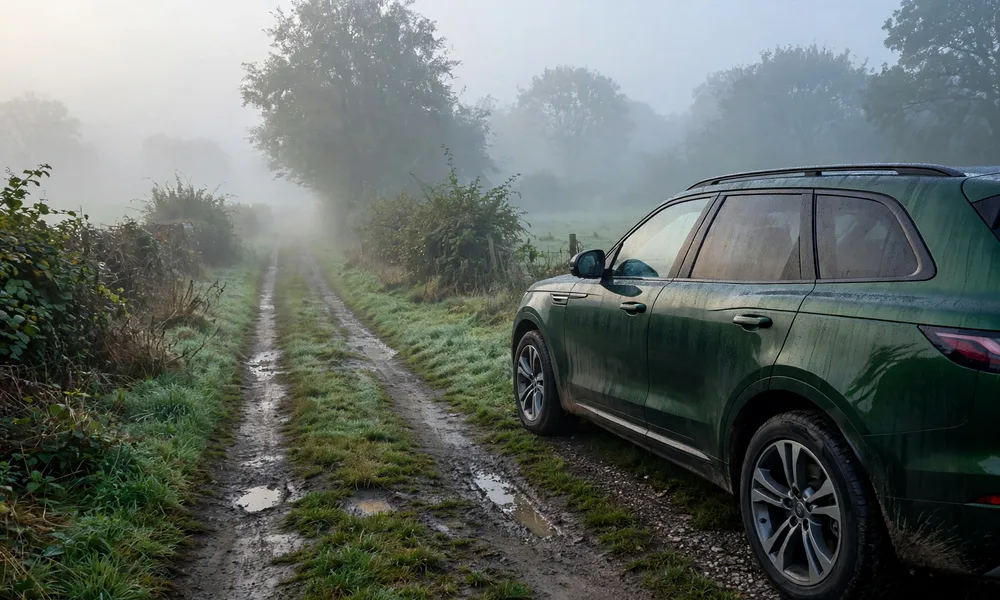
Some luxury SUVs are tested in a chamber that simulates a sandstorm. Engineers blast the car with fine dust at hurricane speeds for hours, then strip it down to check whether a single grain reached the cabin air filter or the engine intake. The test exists because the cars are sold in the Middle East, where a desert storm can turn day into night, and a luxury car that lets dust inside has failed at its most basic job: keeping the outside world out.
What makes a luxury SUV remarkable is not any single feature, but the refusal to choose. It will not choose between road and field, between speed and silence, between handcraft and technology, so the factory must deliver all of them at once. That is why the build takes hundreds of hours and why the price reaches six figures. The car is not really a vehicle; it is a promise that wherever you point it, and whatever the weather does, the cabin will stay calm, quiet, and warm. It is the same promise that keeps drivers arguing about the case for manual steering in cars, a reminder that even in an age of screens and software, the feel of a machine still matters most.


