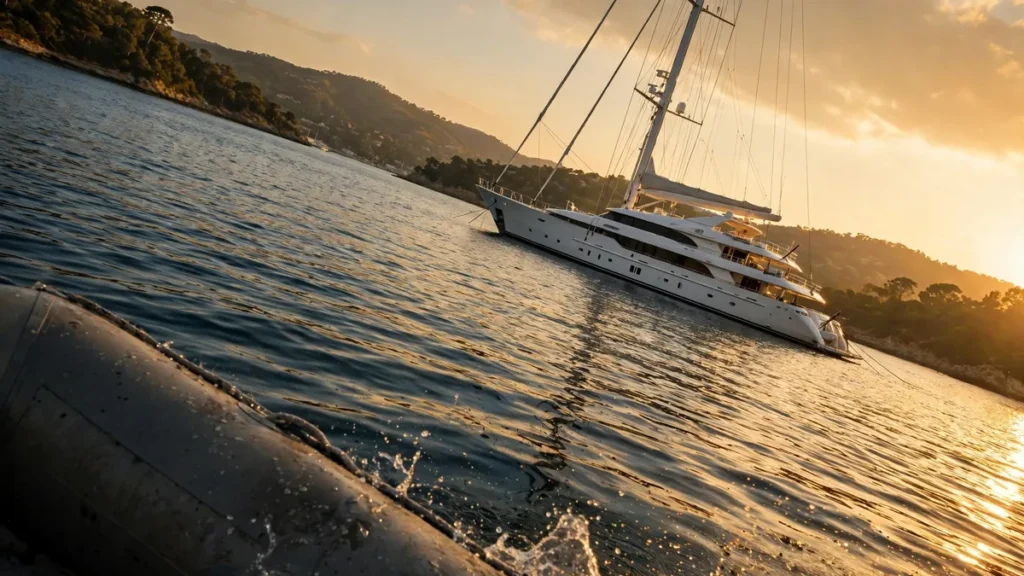
Choosing a sailing yacht brand is really choosing a philosophy. Some yards build boats to win races and cross oceans in the same season. Others build comfortable floating homes that happen to have sails. A few build almost nothing each year, and every hull that leaves the shed is a small event. The brand on the transom tells you how the boat was built, how it will sail, how it will hold its value, and who will answer the phone when something breaks in a faraway port.
This list ranks ten sailing yacht brands, from the yard that gets nearly everything right to solid builders that are easier on the budget. The ranking weighs build quality, sailing performance, bluewater capability, owner support, and resale value.
1. Hallberg-Rassy — the best all-round bluewater brand
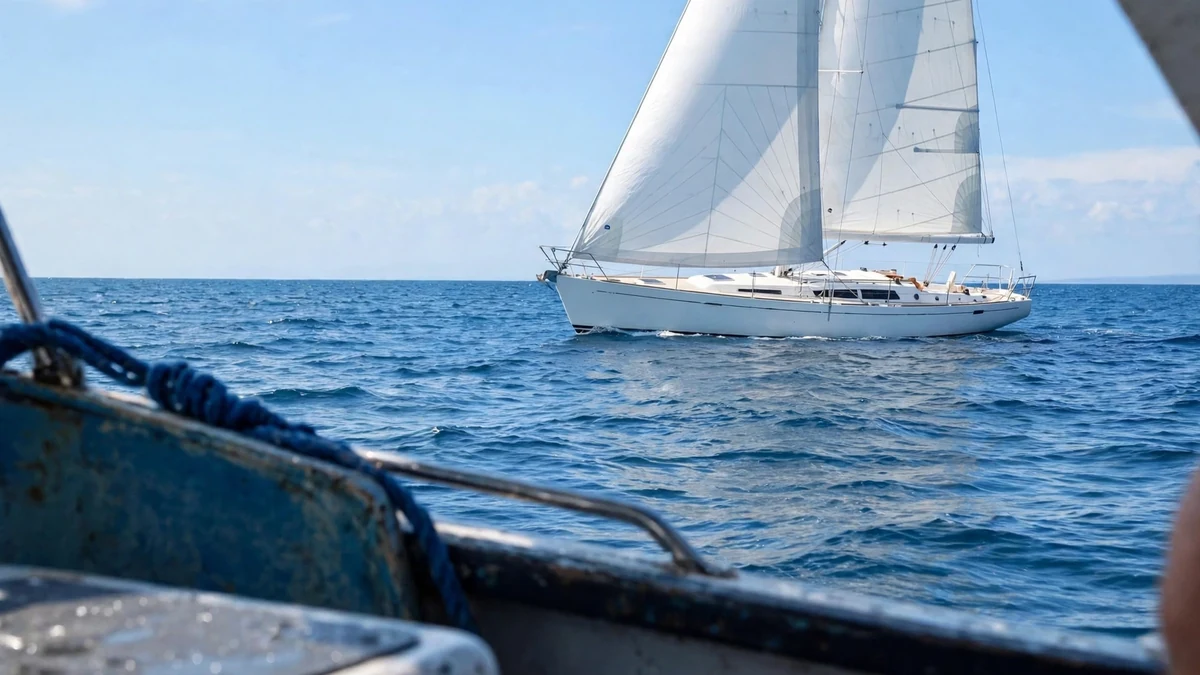
Hallberg-Rassy tops this list because no other production builder balances toughness, comfort, and resale quite so well. The Swedish yard in Ellös has built centre-cockpit cruising yachts since the 1970s, famous for protected cockpits, fixed windscreens, and hand-laid glassfibre hulls with a vinylester barrier against osmosis. Frers-designed models such as the 44 and 50 suit high latitudes and trade-wind passages alike. The boats also hold 65 to 80 percent of their value after five years, among the best retention in the industry. For a couple planning a circumnavigation, this is the default choice.
2. Nautor Swan — the best performance cruiser brand
Nautor Swan builds yachts that race hard on Saturday and cross oceans on Monday. The Finnish yard pairs Germán Frers hulls with vacuum-infused construction and, on many models, a carbon rig, so a Swan 65 can reach 25 knots on a fast reach without drama. A Swan 65 costs around 4 to 5 million dollars, but the sailing feel is in a different league. If performance matters as much as comfort, Swan is the brand to beat.
3. Oyster — the best luxury bluewater brand
Oyster builds serious offshore yachts with a level of finish that feels more like a superyacht. The British yard’s centre-cockpit designs, such as the Oyster 595, feature deep-stem hulls, watertight collision bulkheads, twin rudders, and redundant systems throughout. An Oyster 595 costs roughly 3.6 to 4.4 million dollars, with a finish production builders cannot reach. The boats are heavy and unhurried, but calm, dry, and reassuring in bad weather.
4. Amel — the best shorthanded bluewater brand
Amel designs every yacht around a single idea: a couple should be able to sail it anywhere, alone, without leaving the cockpit. The French yard’s boats put all sail controls at the helm, use a ketch rig that splits the sail area into manageable pieces, and carry generous tankage for long passages. Amel builds few boats each year, and used examples are keenly sought after, which keeps resale strong. For a couple sailing the world with no crew, no brand is easier to live with.
5. Wally — the most innovative sailing brand
Wally builds the most radical sailing yachts on the water. The Monaco-based yard introduced the flush-deck, wide-transom look that now defines the modern superyacht, along with innovations such as the Magic Trim mainsheet system. A Wally 101 costs around 8 to 12 million dollars and pairs superyacht luxury with genuine racing performance. Few sailors will ever own one, but as a showcase of what a sailing yacht can be, no brand is more exciting.
6. Jeanneau — the best value production brand
Jeanneau is the smart buy in production sailing. Part of Groupe Beneteau since 1995, the French builder offers the Sun Odyssey family cruisers, the larger Jeanneau Yachts 55, 60 and 65, and the Sun Fast range for racing and fast cruising. A Jeanneau Yachts 65 costs around 2.4 to 2.9 million dollars, strong value against the bluewater yards above it. For coastal cruising and the odd longer passage, Jeanneau delivers more boat per pound than almost anyone.
7. Beneteau — the biggest and most accessible brand
Beneteau is the world’s largest sailing yacht builder, and its scale is its strength. Founded in France in 1884, the yard now builds the Oceanis cruisers from 30 to 52 feet, the larger Oceanis Yacht 54 and 60, and the performance-oriented First range. The sheer volume of production means a huge choice on the used market, spare parts everywhere, and a dealer in nearly every sailing country. For a first yacht or a family cruiser, Beneteau is the easiest brand to buy, sell, and service.
8. X-Yachts — the best Danish performance brand
X-Yachts builds fast, beautifully finished cruiser-racers in Haderslev, Denmark. The yard’s X4 range and larger Xc cruising models use steel frames, vacuum-infused hulls, and careful weight control, so the boats sail noticeably better than mainstream production yachts of the same size. An X4⁹ costs around 1 million dollars and will beat most 50-footers around a race course while still offering a proper cruising interior. A smaller dealer network and higher prices keep X-Yachts eighth. For sailors who care about how a boat feels on the helm, it is worth every penny.
9. Bavaria — the best budget production brand
Bavaria builds practical, good-value cruisers in Germany, and its boats are a staple of charter fleets across the Mediterranean. The C range, from the C38 to the C50, offers generous volume, simple systems, and a lot of interior space for the money. A Bavaria C50 costs far less than a Jeanneau or Beneteau of the same length, which makes it a sensible choice for owners who want maximum space on a budget. Performance and refinement lag behind the brands above it, but as a value proposition, Bavaria is hard to argue with.
10. Catalina — the best American family cruiser brand
Catalina rounds out the list as the most practical American cruising brand. The Californian builder has made affordable, sensible family cruisers for decades, and models such as the Catalina 445 are known for roomy interiors, simple rigs, and easy handling. The boats are built for coastal cruising rather than ocean crossings, with moderate displacement and comfortable cockpits. It lacks the offshore reputation of Hallberg-Rassy and has a thin network outside the United States. But for a family sailing weekends and summer holidays on home waters, it is a sound, friendly choice.
How to choose between them
If you plan to cross oceans with a small crew, the bluewater yards at the top, Hallberg-Rassy, Oyster, and Amel, are worth their premium. If you race as well as cruise, Swan and X-Yachts give you speed without giving up comfort. If your sailing is mostly coastal weekends, Jeanneau, Beneteau, and Bavaria offer far more boat for the money. The mast and rigging also matter more than most buyers realise, and our guide to how a yacht carbon mast is made and specified explains why a carbon rig changes both performance and handling. The standing rigging that holds that mast up is covered in our look at yacht sail rigging, and the keel beneath it all is explained in our guide to yacht keel design.
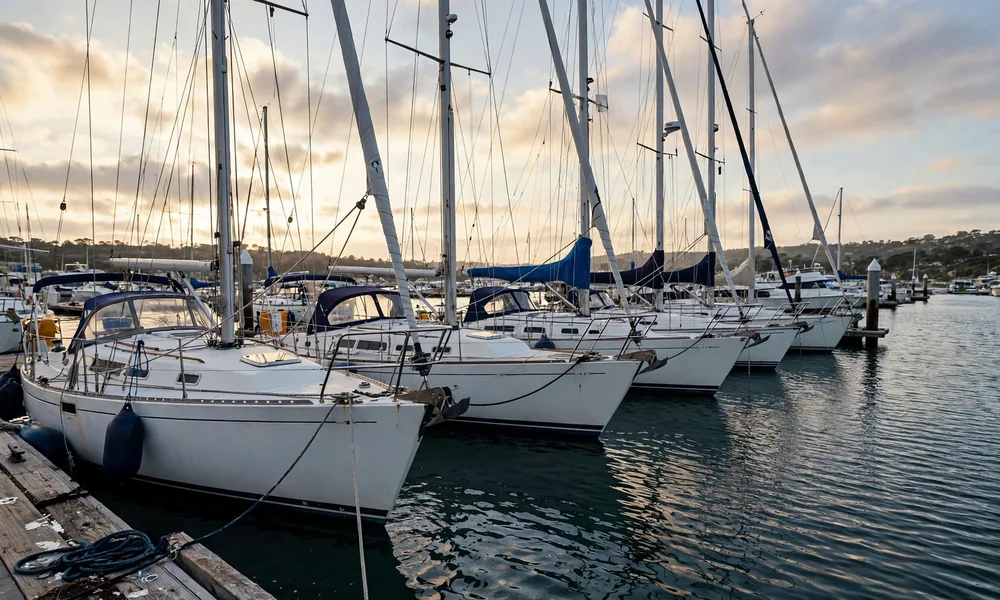
One last piece of advice: sail the boats before you buy one. Brochures and rankings can tell you about build quality and resale, but only a sea trial tells you whether a boat feels right. Charter the model you are considering and live aboard it for a few days. The best sailing yacht brand is the one whose boat you keep wanting to sail again.