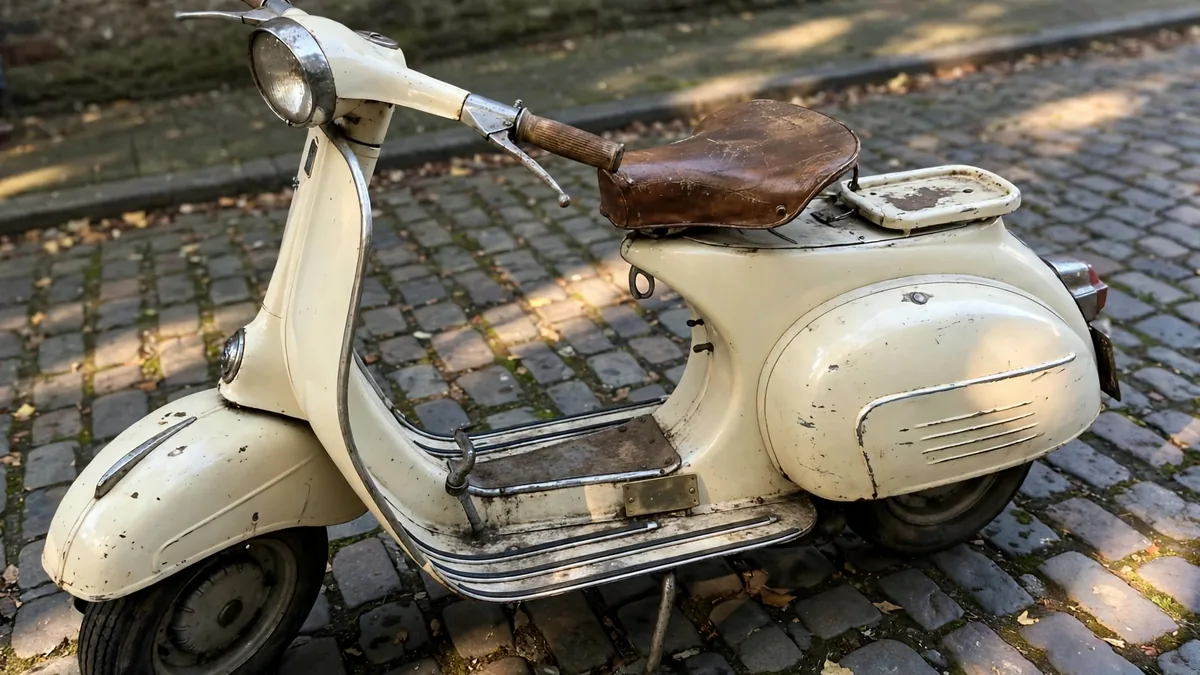
The auction hall smelled of old petrol and polish, and the little cream-coloured scooter on the stand looked like it had rolled straight out of a 1962 postcard. The bidding started low, then climbed past the price of a new mid-range motorcycle, and the man who won it did not celebrate. He walked over and read the small brass plate riveted to the frame. He was not buying a colour or a shape. He was buying a set of numbers.
Vintage scooters are some of the most misunderstood machines in the classic world, because their specification sheets were written in a different language. Horsepower was measured differently, top speeds were optimistic, and fuel consumption was quoted for roads that no longer exist. Misreading one takes five minutes to fix and a fortune to regret.
The Specs That Decide What a Vintage Scooter Is Worth
Start with the engine, because everything else follows from it. Most classic scooters used a single-cylinder two-stroke engine, and the headline figure was its capacity in cubic centimetres. A Vespa 150 of the early 1960s displaced 145.5 cc and made around 5.5 horsepower, while a Lambretta Li 150 Series 3 displaced 148 cc and made a similar figure, yet the two machines feel different on the road because of how that power is delivered. The Lambretta revs more freely and pulls harder at speed, while the Vespa delivers its power lower down and feels calmer in traffic. Capacity alone never tells the whole story, and a buyer who chases the biggest number will often buy the least pleasant scooter to ride.
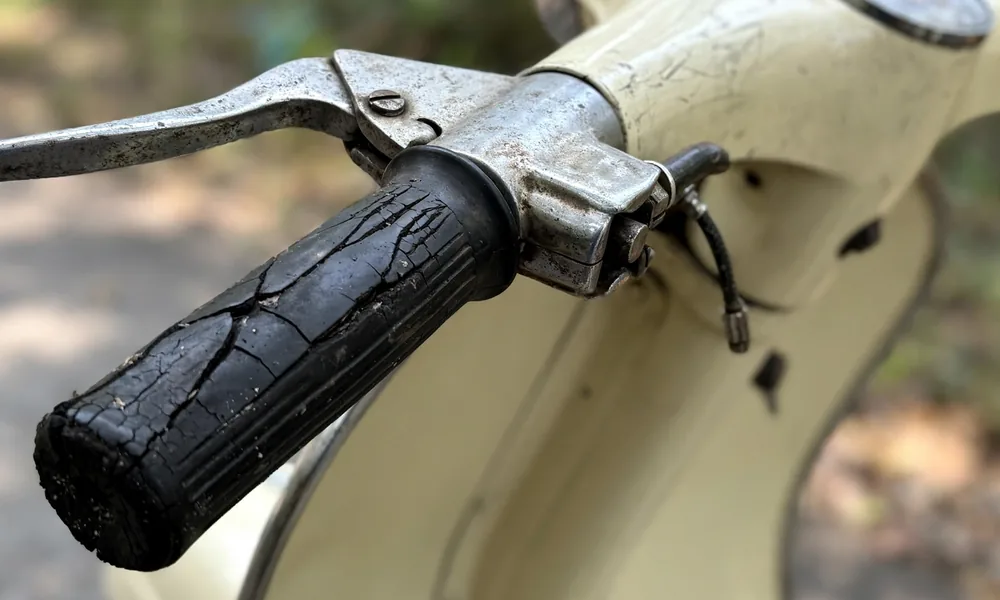
Next comes the gearbox, and here the vintage world splits in two. Classic Vespas and Lambrettas used a twist-grip manual gearbox, usually three or four speeds, operated by turning the left handlebar grip. The number of gears matters less than their spacing, because a wide gap between second and third gear means the scooter falls out of its power band on every hill. A four-speed box is worth a premium over a three-speed one on the same model, not because it is faster, but because it keeps the little engine singing where it makes its power. If you test ride a vintage scooter and it feels gutless on hills, the gearbox is usually the reason, not the engine.
How to Read a Vintage Scooter Spec Sheet in Seven Steps
First, check the frame number against the model year, because the year decides which specification sheet applies. Second, read the engine capacity and claimed horsepower together. Third, knock ten percent off the top speed claim, because period tests were often conducted downhill with a light rider. Fourth, check the fuel figure’s unit, since some sheets quote miles per gallon and others kilometres per litre. Fifth, check the wheel size, because ten-inch wheels steer quickly while twelve-inch wheels feel calmer. Sixth, look at the braking system, since a twin leading-shoe drum stops very differently from a single one. Seventh, compare dry weight with kerb weight, because the difference is fuel, oil, and the spare wheel.
Those seven steps take five minutes, and they guard against the most common mistake in vintage scooter buying: paying a premium for a specification that does not exist. A scooter advertised as a 200 cc model may have a 150 cc engine with a big-bore kit fitted later, and the frame number is the only way to know. For a sense of how far scooter engineering has come since then, see the best electric scooters for commuting in 2027, where range and motor power are measured under far stricter rules.
Two-Strokes, Oil, and the Numbers Nobody Prints
Two-stroke engines burn oil with their fuel, and the mix ratio is a specification that never appears on a sales brochure but decides how long the engine lives. Early scooters ran on a 4 percent oil mix, or 25 parts petrol to one part oil, while later models ran leaner, at 2 percent, because oil technology had improved. Running a 1960s engine on a modern lean mix will seize it, and running a later engine on a rich mix will foul its spark plug and smoke like a chimney. The correct ratio is stamped on the fuel cap or printed in the owner’s handbook, and it is worth more than any horsepower figure.
Vintage Scooter Specs at a Glance
| Specification | Typical 1960s 150 cc Scooter | What It Means for You |
|---|---|---|
| Engine capacity | 145–150 cc, single-cylinder two-stroke | Modest power, simple to maintain, parts widely available |
| Claimed power | 5–7 hp at around 5,000 rpm | Enough for town and country lanes, not for motorways |
| Gearbox | 3 or 4 speeds, twist-grip manual | Four speeds keep the engine in its power band on hills |
| Top speed | 55–65 mph claimed, 50–58 mph realistic | Knock ten percent off the brochure figure |
| Fuel consumption | 70–90 mpg in gentle use | Check the unit before comparing two scooters |
| Dry weight | 95–115 kg depending on model | Lighter is easier to handle, heavier is steadier at speed |
| Wheel size | 10 inches, occasionally 12 inches | Smaller wheels steer quickly, larger wheels feel calmer |
| Brakes | Drum brakes front and rear | Allow long stopping distances and plan ahead |
| Electrics | 6 volt, around 45 watts | Dim lights by modern standards, 12-volt conversions help |
| Oil mix | 2–4 percent, model dependent | Wrong mix will seize the engine or foul the plug |
Range is the figure that surprises new owners most, because a vintage scooter’s small tank and two-stroke thirst combine into short legs. A typical 150 cc machine carries around 7 litres of fuel and returns roughly 70 miles per gallon in gentle riding, giving a practical range of about 100 miles before reserve, and much less if you ride hard. That is why the electric scooter range specs explained guide feels so familiar to classic owners, because both generations of scooter force the rider to think about distance, speed, and consumption in the same way.
What a Vintage Scooter Costs
Prices vary enormously by model, condition, and originality, and the figures here are estimates based on recent auction and dealer listings, not fixed prices. A running but scruffy 150 cc scooter from the 1960s might sell for an estimated $3,000 to $5,000, while a tidy, well-documented example could fetch an estimated $7,000 to $10,000. Rare models change the picture completely, and a Lambretta TV 200 or a Vespa GS 160 in original condition can command an estimated $15,000 to $25,000 or more. Restoration costs are the hidden figure, because a full professional rebuild can easily cost an estimated $8,000 to $12,000 on top of the purchase price. The comparison that matters is not petrol against electric, but original against restored, and the diesel versus electric scooter motors comparison shows how differently two machines can answer the same question of how to move a rider through a city.
A Rare Fact
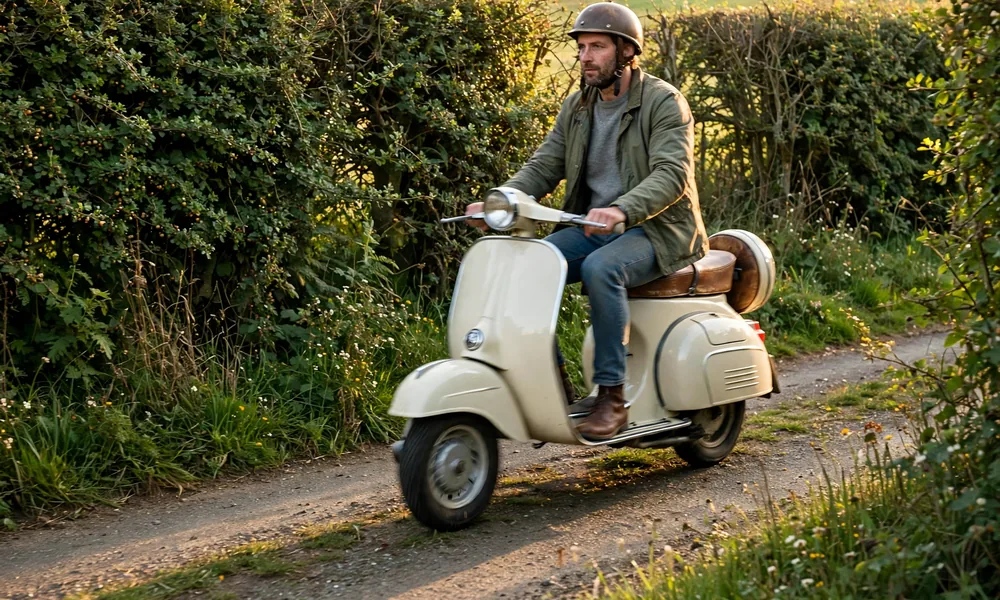
The rarest figure on a vintage scooter spec sheet is not horsepower or top speed, but the production total, and it is the number that decides value more than any other. Innocenti built the Lambretta TV 200 for only two years, and fewer than 15,000 were made, which is why a machine with less power than a modern 125 cc commuter can sell for the price of a new car. The scooter that looks ordinary in a photograph may be one of a few thousand survivors.


