The camera in your pocket is now the camera most people use for everything, and the gap between a phone and a dedicated camera has never been smaller. In 2027 the best phones do not win on megapixels alone. They win on sensor size, lens quality, stabilisation and the software that turns raw light into a finished photograph, often before you have even looked at the screen. Video matters just as much, and the best phones now shoot footage that once needed a cinema rig.
This ranking is based on the flagship phones on sale in 2027, judged on stills, video, zoom and consistency, not on one lucky shot. It is an editorial ranking, so the order reflects judgement rather than a single lab score, and different testers will disagree at the margins. Where a phone leads in one area and trails in another, this list says so plainly.
1. iPhone 17 Pro Max — the best all-rounder
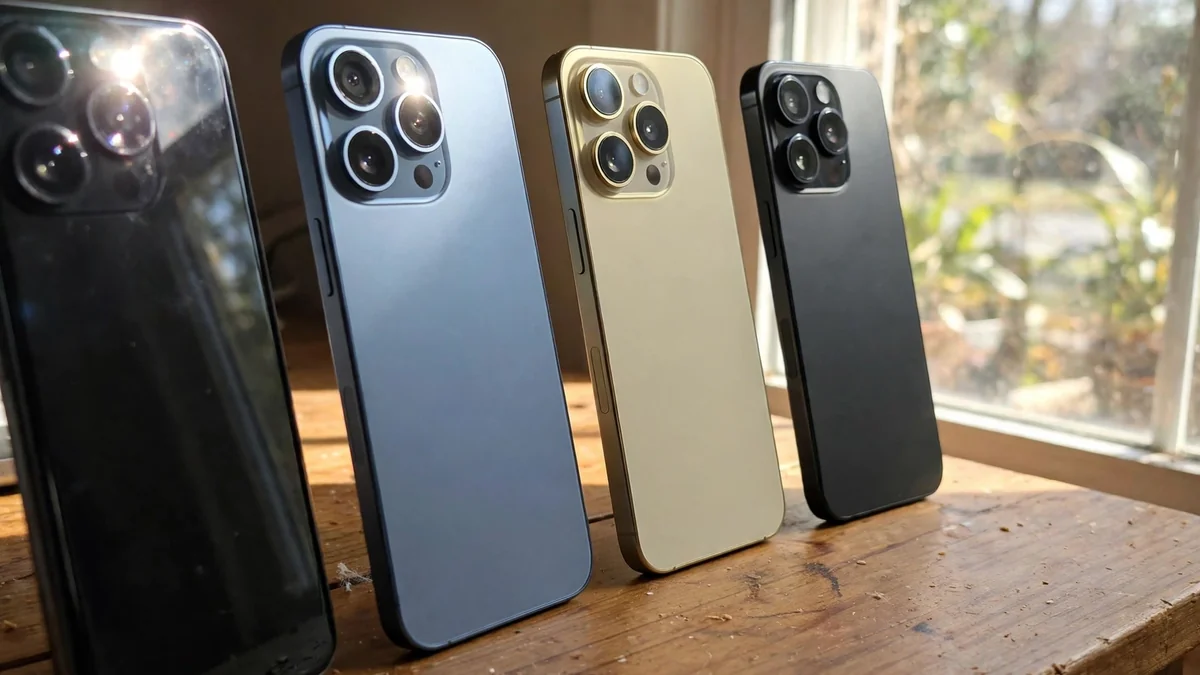
Apple’s flagship remains the safest recommendation for most people, and the reason is consistency. Its triple 48-megapixel camera system covers wide, ultrawide and a 4x periscope zoom, and it produces the same reliable result in daylight, at dusk and indoors, where other phones are more hit and miss. Video is where it pulls ahead: smooth stabilisation, natural colour and professional formats that creators actually use. It does not have the longest zoom or the largest sensor on this list, but it is the phone most likely to get the shot right on the first try, and that counts for more than any single specification.
2. Vivo X300 Pro — the zoom champion
If zoom is what you care about, no phone in 2027 comes close to the Vivo X300 Pro. Its 200-megapixel periscope lens, with 3.7x optical zoom, holds detail at distances where other phones turn to mush, and it doubles as a surprisingly good macro lens for close-ups. The 50-megapixel main sensor with Zeiss optics is strong on its own, and portraits have a natural depth that flatters skin without smoothing it away. Vivo is less familiar than Apple or Samsung in some markets, but on pure photographic hardware, this is the most ambitious camera phone you can buy.
3. Google Pixel 10 Pro XL — the computational king
Google’s approach is the opposite of Vivo’s: modest hardware, extraordinary software. The Pixel 10 Pro XL pairs a 50-megapixel main camera with a 48-megapixel 5x periscope and a 48-megapixel ultrawide, and then relies on computational photography to do the heavy lifting. Night shots, portraits and tricky backlit scenes come out cleaner than the hardware alone would suggest, and colours look natural rather than overcooked. The hardware that makes the zoom possible is explained in our look at how a periscope zoom lens is made, where a folded light path squeezes a long lens into a thin phone. If you want the phone to do the thinking, this is the one.
4. Samsung Galaxy S25 Ultra — the versatile workhorse
The Galaxy S25 Ultra is the do-everything camera phone. Its 200-megapixel main sensor is joined by a 5x periscope zoom, a dedicated 3x telephoto and an ultrawide lens, giving it more focal lengths than any rival on this list. That versatility is its strength: landscapes, portraits, concerts and wildlife are all within reach without changing phones. Samsung also offers the most manual control, with a pro mode that lets photographers set shutter speed, focus and white balance by hand. It is not the best at any single thing, but it is very good at everything, and for many buyers that is the right trade.
5. Oppo Find X9 Pro — the photographer’s phone
Oppo’s flagship is built for people who take photography seriously. Its 50-megapixel main sensor is paired with a 200-megapixel periscope zoom and Hasselblad colour tuning, which gives images a distinctive, slightly film-like character that stands out from the crowd. The ultrawide is sharp to the edges, and the phone handles low light with confidence. Oppo’s software is less familiar to some buyers than Apple’s or Samsung’s, but the results speak for themselves, and the Find X9 Pro is the phone on this list most likely to make a casual photographer feel like a professional.

6. Xiaomi 15 Ultra — the Leica partnership
Xiaomi’s Ultra flagship is the closest thing to a pocket Leica, and that is no accident: the camera system is co-developed with Leica, and the 1-inch main sensor is one of the largest in any phone. A large sensor gathers more light, which means cleaner images at dusk and more natural background blur in portraits. The zoom system is strong too, with a periscope lens that holds up well at distance. Xiaomi’s software can be busy, and the phone is not sold everywhere, but for stills photography in good light, few phones on this list can match it.
7. Huawei Pura 80 Ultra — the low-light specialist
Huawei’s flagship earns its place with the best low-light stills of any phone on this list. Its 1-inch main sensor and RYYB colour architecture gather more light than conventional sensors, and the result is night photography with less noise and more detail than rivals manage. In daylight it is merely very good rather than outstanding, which is why it sits seventh rather than first, but if you shoot after dark more than you shoot at noon, this is the phone to beat. Availability is limited in some regions, so check before you set your heart on it.
8. OnePlus 15 — the value flagship
The OnePlus 15 closes the list because it delivers most of the camera experience of the phones above it for noticeably less money. Its triple-camera system is not the most powerful here, but it is well tuned, fast to focus and consistent in everyday use, and its video is strong for the price. OnePlus has spent years closing the gap on the camera leaders, and in 2027 the gap is smaller than ever. For buyers who want a great camera phone without paying flagship prices, this is the sensible choice, and the glass and metal that protect the lenses are part of the story told in the best smartphone materials, ranked. The lens itself, meanwhile, is a marvel of miniaturisation, as how a smartphone camera lens is made explains.
The Takeaway
There is no single best smartphone camera in 2027, only the best camera for the way you shoot. Buy the iPhone if you want video and consistency, the Vivo if you want zoom, the Pixel if you want the software to do the work, and the Samsung if you want one phone that does everything. The real lesson of this list is that the hardware race has slowed and the software race has taken over: the best photos now come from the phone that understands the scene, not just the one with the biggest sensor. Choose for your habits, not for the spec sheet, and you will not go wrong.