A luxury sedan does not announce itself. It arrives quietly, its paint deep enough to fall into, its doors closing with a soft, expensive thunk that no ordinary car can copy. From the pavement it looks like one smooth idea, a single piece of sculpture with four wheels. Up close, it is thousands of parts, each one finished by hand.
Building one is slow work. A mass-market car can roll off a line in hours, but a luxury sedan spends days moving between stations where people, not just robots, check every seam, every stitch and every silence. This is how a luxury sedan is made, from flat sheets of steel to the first quiet mile on the road.
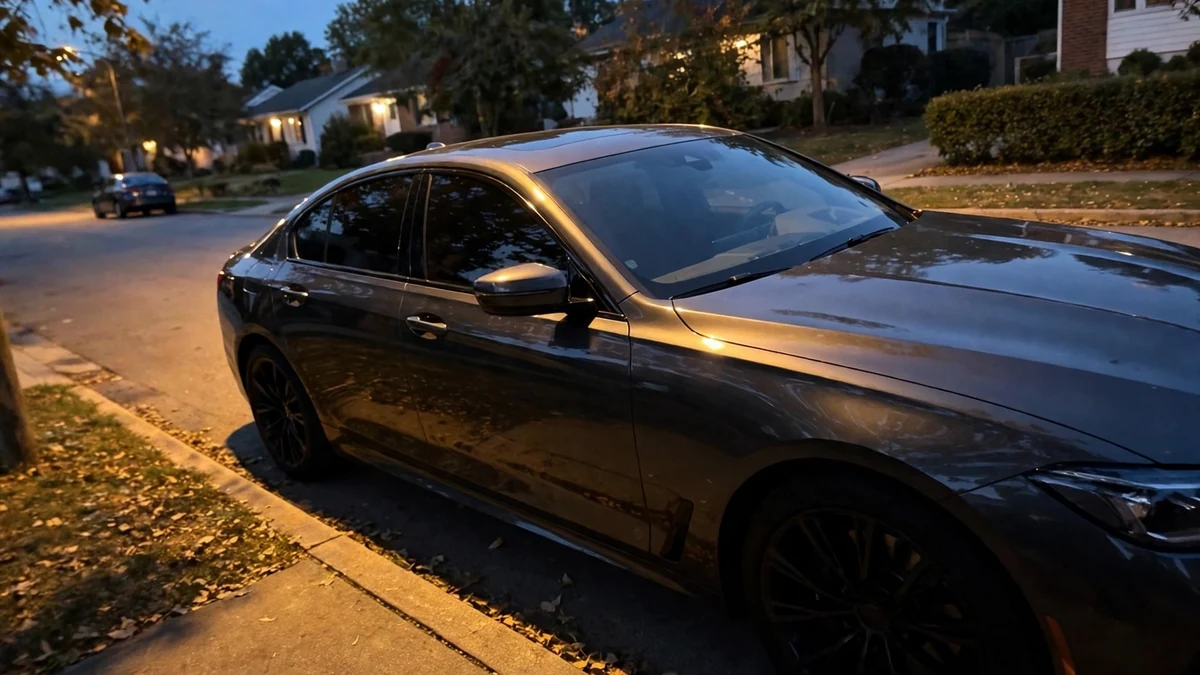
Step 1: The body shell is pressed and welded
Every sedan starts as flat sheets of steel and aluminium, cut to shape and pressed in huge dies that stamp out doors, roofs and floor panels. The presses work with thousands of tonnes of force, and each panel is checked for the smallest ripple or dent before it moves on, because a flaw pressed into steel can never be polished out later.
Robots then weld the panels into a body shell, joining them at hundreds of points with sparks flying at every station. Workers check the gaps between the panels with feeler gauges, aiming for lines so even that a coin cannot catch on them. The shell is then dipped in a rust-proofing bath, coating every hidden corner against years of rain and salt.
Step 2: Paint, layer upon layer
Paint is where a luxury sedan earns its depth. The shell is sprayed with primer, then several coats of colour, then clear lacquer, with each layer baked in an oven before the next goes on.
After the final coat, the paint is polished by hand. A worker runs a soft pad over every panel, feeling for the smallest imperfection, and the car is inspected under bright lights that show up flaws the eye would miss in daylight. The deep, mirror-like finish is the result of that patience, not of the paint alone, and the way it changes with the light is described in the guide to how a luxury sedan works, where the same body must also cut cleanly through the air.
Step 3: The engine and drivetrain go in
With the shell painted, the car meets its running gear. The engine, often a smooth six-cylinder or a powerful V8, is lowered into the bay on a cradle, together with the gearbox, the suspension and the steering. The whole assembly is lifted up into the shell from below, and bolts are tightened to exact torque figures that are recorded for every single car.
Sound deadening goes in around the engine and under the floor, layers of felt and foam that swallow noise before it reaches the cabin. The exhaust is tuned as carefully as the engine, so the car sounds refined rather than loud, and the drivetrain is filled with fluids and checked for leaks before the car ever moves under its own power.
Step 4: The cabin is trimmed by hand
The interior is where hand work matters most. Leather hides are inspected one by one, and only the smoothest, unmarked sections are cut for seats and door panels. A single interior can use hides from several animals, matched so carefully that the grain and colour look like one piece. The seats are stitched on machines guided by hand, with seams so straight they look drawn on.
Wood trim is cut from a single log so the grain flows across the dashboard in one unbroken pattern, and metal details are polished until they feel warm to the touch. The smaller coupes of the same family show the same craft at a different scale, as the guide to how a luxury coupe is made explains, and the sedan borrows much of that hand finishing for its longer cabin.
Step 5: Electronics and quiet are tuned
Once the trim is in, the car is filled with electronics. Screens, speakers, sensors and driver-assistance systems are fitted and connected through wiring looms that can stretch for more than a hundred metres inside one car. Each system is switched on and tested, from the seat heaters to the night-vision camera, and software is loaded and checked against the car’s exact specification.
Then comes the tuning of quiet. Engineers drive the car over rough surfaces and listen for rattles, squeaks and wind noise, adding small pads and seals wherever a sound appears. The long-wheelbase limousines take this further still, as the guide to how a luxury limousine is made shows, and the sedan inherits the same obsession with a cabin that feels sealed off from the world.

Step 6: Testing on the road and final inspection
Before handover, every luxury sedan is driven. A tester takes it on a set route that includes rough roads, motorway speeds and tight turns, checking that it accelerates smoothly, brakes without a shudder, and steers with the same weight in every corner. The car is then driven through a water test, where jets spray it from every angle to prove that not a drop gets inside.
Back in the factory, the car goes under bright lights for a final inspection. Every panel gap is measured again, every switch is pressed, and the paint is checked one last time. Only when it passes every check is it polished, covered and sent to its owner, a machine that took days to build and is expected to feel new for years.
Specifications at a glance
| Feature | Typical luxury figure |
|---|---|
| Length | About 5.0 to 5.3 metres |
| Engine | Six-cylinder or V8, about 350 to 550 horsepower |
| Acceleration 0 to 60 mph | About 4.5 to 5.5 seconds |
| Top speed | About 130 to 155 miles per hour, limited |
| Weight | About 1,900 to 2,300 kilograms |
| Cabin noise at speed | About 60 decibels or less |
| Seats | Four or five, in hand-stitched leather |
What it costs
A luxury sedan typically costs between about $85,000 and $180,000, and these are estimates, not fixed prices. The price rises with engine power, with a V8 costing far more than a six-cylinder, and with options such as rear-seat screens, a premium sound system and a bespoke paint colour. Running costs matter too: servicing, insurance and tyres for a large, heavy car add up over the years, and buyers pay as much for the silence and the service as for the car itself.
A rare fact
The famous soft thunk of a luxury sedan door is not an accident. Engineers tune it deliberately, adjusting the seals, the latch and the weight of the door until the sound feels expensive, and some makers test it hundreds of times on a single car. The same care goes into the smell of the cabin, which is chosen and tested so that a new car smells the same in every market, in every climate, years after it leaves the factory.
From pressed steel to polished leather, a luxury sedan is built around a simple promise: that nothing inside it should ever remind you of the effort it took to make it.


