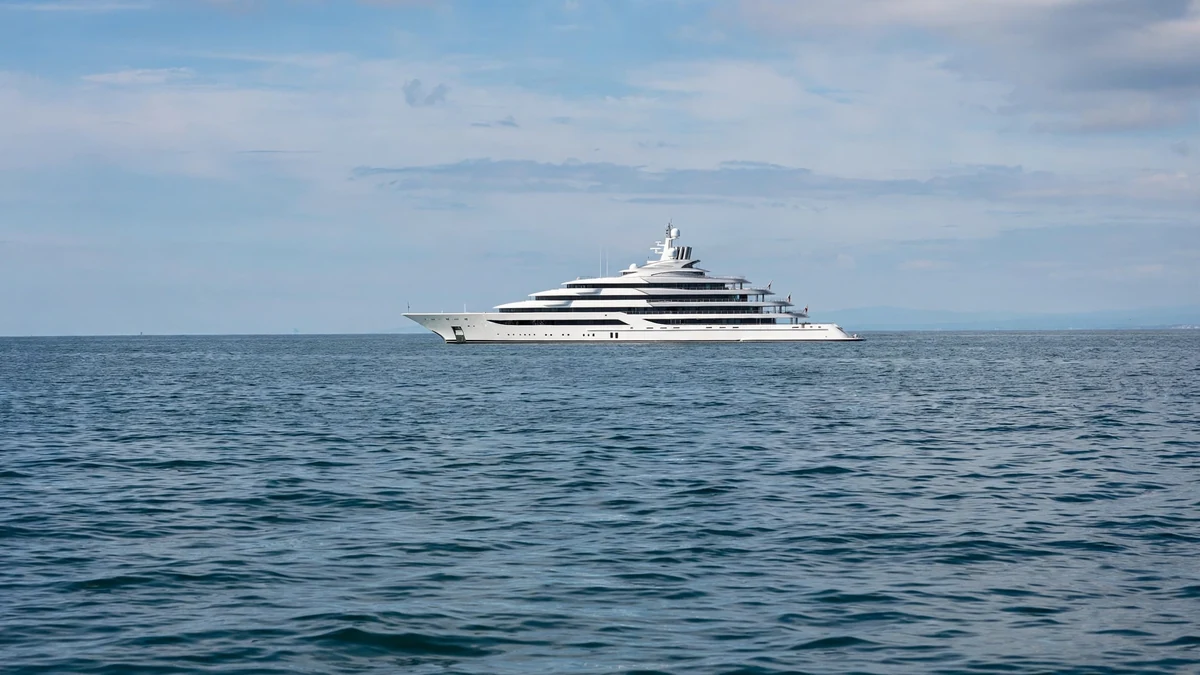
From the dock, a superyacht looks like a single smooth sculpture: white decks rising in tiers above a dark hull, glass catching the light, not a rivet or seam in sight. Step aboard and the illusion holds — the saloon feels like a hotel, the wheelhouse like a quiet office. What you are standing on is not one structure at all, but two: a steel or aluminium hull below the waterline, and above it a second, lighter structure called the superstructure, built almost always from aluminium.
The superstructure is where a yacht’s life happens. It holds the guest cabins, the bridge, the sun deck and the owner’s suite, and it has to do two contradictory jobs at once: be light enough to sit high above the water without making the yacht top-heavy, and strong enough to survive storms, flexing and decades of salt spray. Aluminium is the metal that makes that compromise work, and the numbers on its specification sheet explain how.
This guide explains the key specifications of a superyacht aluminium superstructure in plain English: the alloys, the plate thicknesses and the engineering figures that keep a floating hotel safe at sea. Every figure here is a typical estimate for modern superyachts, not the specification of any single vessel.
The Key Specifications, Explained
A superstructure is a building that moves, so its specification sheet mixes shipbuilding numbers with architectural ones. The six figures below are the ones naval architects watch most closely, and together they describe how the upper works stay light, stiff and safe.
1. Alloy grade: the metal that does the work
Most superyacht superstructures are built from marine aluminium alloys in the 5000 series, most commonly 5083 and 5086. The 5000-series alloys are valued because they resist seawater corrosion without paint, weld cleanly, and keep their strength after welding — a rare combination. The headline number is the yield strength, roughly 125 to 145 megapascals for 5083 in its softened, welded state, which is far below steel but more than enough when the structure is designed around aluminium’s lower stiffness.
2. Plate thickness: thin skin, strong frame
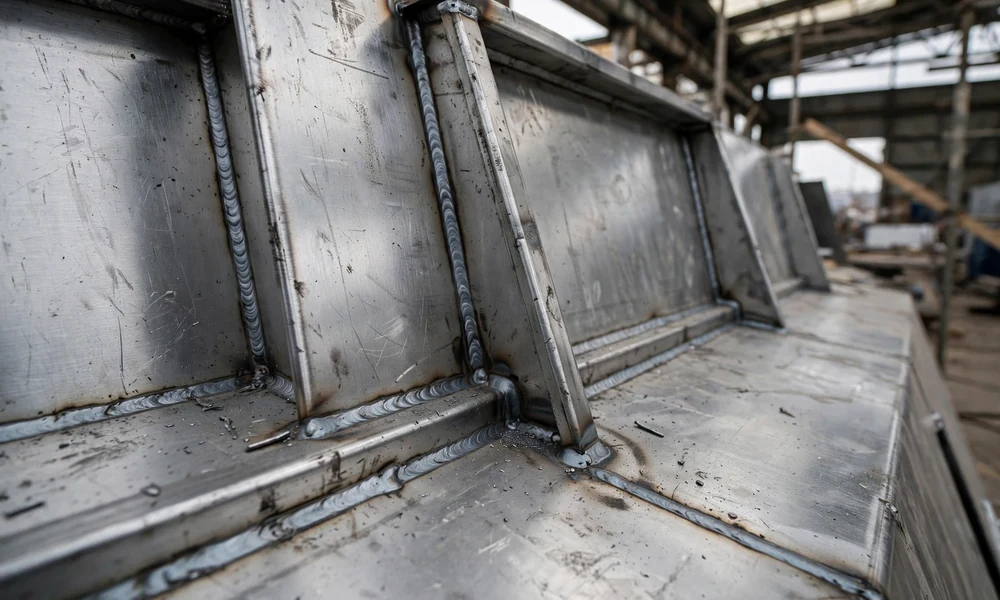
Superstructure plating is surprisingly thin: typically 5 to 10 millimetres for deck and side plating, with thicker inserts of 12 to 15 millimetres around openings such as doors and large windows. The strength does not come from the skin alone but from the framework behind it — closely spaced stiffeners and bulkheads that turn a thin plate into a rigid panel.
3. Weight saving: why aluminium wins the argument
Aluminium weighs about a third as much as steel for the same volume, and a superstructure built in aluminium typically saves 40 to 60 percent of the weight of an equivalent steel structure. On a 50-metre yacht that can mean 50 to 100 tonnes saved, which the designer spends on larger cabins, more glass, or a lower centre of gravity. The saving also improves fuel consumption and speed, since a lighter yacht needs less power to push through the water. The trade-off is cost: aluminium plate and skilled aluminium welding are considerably more expensive than steel.
4. Welding and distortion: the hard part of building it
Aluminium is a demanding metal to weld. It conducts heat about five times faster than steel, so welders must put in far more heat, and the metal shrinks as it cools, pulling panels out of shape. Shipyards control this with careful welding sequences, strongback frames that hold panels flat, and a final fairing stage in which the surface is levelled with filler and sanded smooth — the same fairing craft used on the hull.
5. Thermal expansion: a structure that grows in the sun
Aluminium expands with heat about twice as much as steel, and a superstructure baking in Mediterranean sun can grow by several centimetres along its length compared with a cold morning. Designers allow for this with expansion joints, flexible mounts where the superstructure meets a steel hull, and careful detailing around glass, which does not expand at the same rate. Getting the joints wrong causes creaking panels and cracked paint.
6. Fire and insulation: the safety numbers
Aluminium loses strength quickly in a fire — it begins to soften above about 200 degrees Celsius — so a superstructure carries serious fire protection. Insulation, usually mineral wool 25 to 50 millimetres thick, is fitted behind panelling to give fire-rated divisions their required endurance, commonly 30 or 60 minutes. The insulation also does a quieter job: it keeps cabins cool in the tropics and warm in northern waters, and it damps the drumming of rain and the hum of generators so the saloon stays quiet.
| Specification | Typical value (estimate) | What it tells you |
|---|---|---|
| Alloy grade | 5083 / 5086 marine aluminium | Corrosion-resistant and weldable |
| Yield strength (welded) | 125–145 MPa | How much load the metal takes before bending |
| Plate thickness | 5–10 mm | Thin skin over a strong frame |
| Weight saving vs steel | 40–60% | Why the upper works stay light |
| Thermal expansion | ~23–24 µm/m·°C | How much the structure grows in the sun |
| Fire insulation | 25–50 mm mineral wool | Protection and quiet in the cabins |
| Density | ~2,660 kg/m³ | About a third the weight of steel |
How the Specs Matter in Use
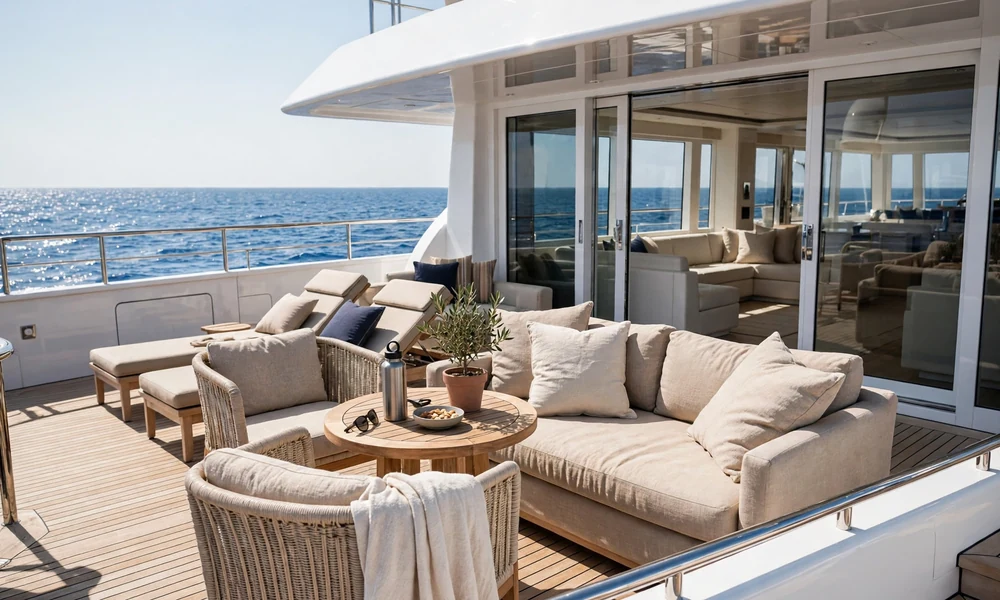
For guests aboard, these numbers show up as space, quiet and stability. A light aluminium superstructure lets a designer stack three or four decks of cabins, lounges and open terraces without making the yacht roll uncomfortably in a swell. The same weight saving keeps fuel bills down and lets the yacht carry more water, provisions and toys. And because aluminium does not rust the way steel does, the superstructure can be finished in bright white paint that stays clean for years with only routine washing.
For the crew and the yard, the specs shape maintenance. Aluminium needs skilled welders for any repair, and a careless repair can distort a panel or weaken a joint, so damage is fixed by specialists rather than general shipwrights. The hull below is a different world of engineering, and the craft of making it smooth is explained in the yacht hull fairing specs. The keel that keeps the yacht upright is covered in the yacht keel specs, and the propeller that pushes it through the water is explained in the yacht propeller specs.
A Rare Fact
One of the largest aluminium superstructures ever built for a yacht was welded in sections in a shed and then lifted onto its hull by crane — in a single piece weighing more than 100 tonnes. The lift took a full day of planning and a calm morning, because the superstructure had to be lowered onto its mounting points to within a few millimetres while a crane held it swaying in the air. It fitted first time. The story is a favourite in shipyards because it captures what the specification sheet is really about: aluminium is light enough to lift whole buildings into the sky, and precise enough that a hundred-tonne structure can be set down like a piece of furniture.