There is a particular kind of pitch that follows every new technology to sea. First it is a safety feature, then a convenience, then an inevitability, and finally, if nobody objects loudly enough, it is the whole boat. Autonomous yachts are at the inevitability stage of that pitch. The brochures promise a yacht that docks itself, navigates itself and frees its owner from the burden of actually sailing. It sounds like freedom. It is worth asking what, exactly, is being freed, and what is being lost.
The case against autonomous yachts is not a case against technology on boats. Yachts are already full of it, and much of it is excellent. It is a case against handing over the one thing that makes a yacht a yacht: a person in command, responsible for the vessel, the people aboard and the sea around it. Autonomy promises to remove the human from the loop. On a yacht, the human is the point.
Responsibility cannot be automated
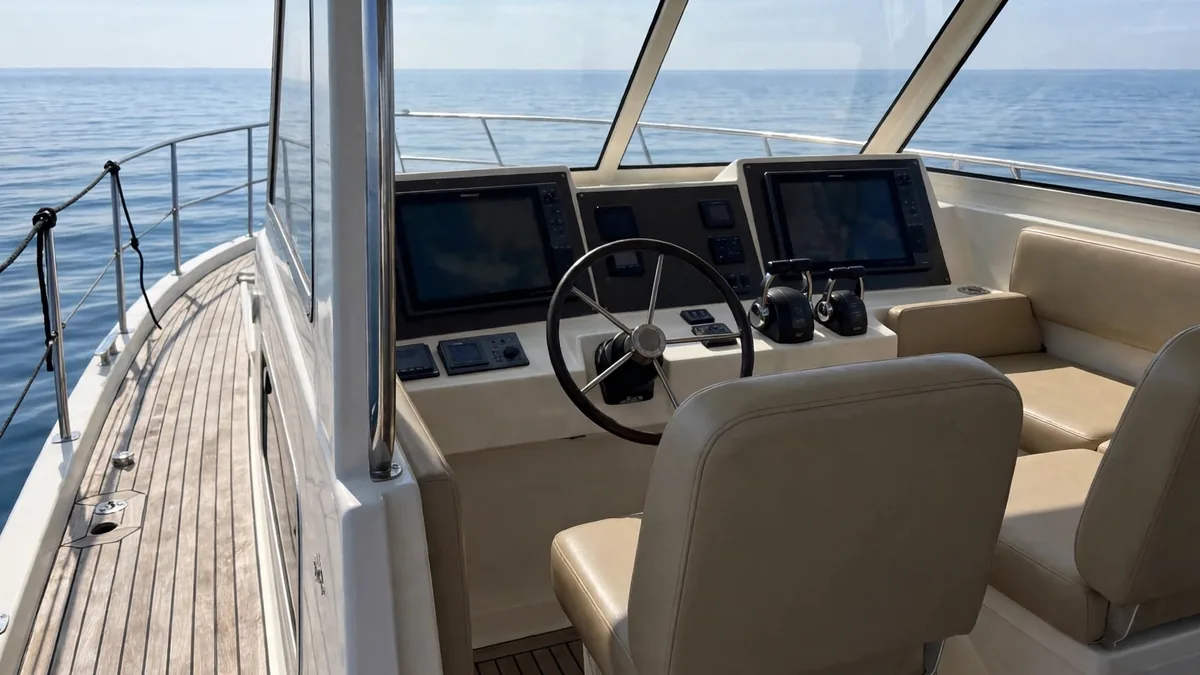
A yacht is not a taxi. Its skipper is legally and morally responsible for everyone aboard, for the vessel itself, and for the other boats, swimmers and marine life it shares the water with. That responsibility cannot be delegated to software, because software cannot be held to account when something goes wrong. When an autonomous yacht hits a fishing boat in the dark, there is no one to answer for it, no one to explain the decision, and no one to learn from the mistake.
The industry’s answer is that the owner remains responsible, which is the worst of both worlds: the owner is blamed for decisions they did not make, in a system they do not understand, on a boat they were told would look after itself. Responsibility without control is not responsibility. It is a liability trap, and the first serious accident will show it for what it is.
There is a practical side to this too. The sea does not behave like a road. It has no lane markings, no traffic lights and no predictable flow. It has fishing nets, floating debris, sudden weather, confused currents and other vessels doing unexpected things, often in poor visibility. A human skipper reads all of that at once, with judgement built from experience. An autonomous system reads what its sensors can see, and its sensors see a fraction of what a sailor does. How electric yacht autopilot works shows how much good assistance systems can do, and also how firmly they still rely on a person watching.
Sailing is the product
Here is the question the autonomy pitch never quite answers: why buy a yacht at all if you are not going to sail it? A yacht is not transport. It is the experience of being at sea, of handling a vessel, of reading the wind and the water, of making decisions and living with them. Take the sailing out and what is left is a floating hotel room, and there are cheaper, more comfortable hotels that do not require a crew, a marina berth and a seven-figure maintenance bill.
The autonomy pitch treats sailing as a chore to be automated away, like washing dishes. For the people who actually buy yachts, sailing is the pleasure, not the price of it. Owners who wanted to be passengers would buy a cruise ticket. They bought a yacht because they wanted to be at the helm, and a yacht that sails itself is a yacht that has misunderstood its customer.
What autonomy actually does to a yacht
Look past the pitch and the autonomous yacht is a worse yacht in several concrete ways. It needs banks of sensors, cameras, radar and computing power, all of which cost money, consume electricity, add weight and create new points of failure. It needs constant software updates, remote monitoring and a manufacturer that stays in business, because a yacht whose autonomy system is orphaned is a yacht with a very expensive, very useless array of hardware bolted to it.
And then there is security. A yacht that can be steered by software can be steered by someone else’s software, and a vessel that depends on remote updates and cloud services is a vessel with an attack surface the size of its antenna. The idea of a hijacked yacht sounds like a film plot until you remember how many ordinary devices have already been hijacked for far less. How autonomous yacht docking works describes the sensors and systems involved, and the complexity is the point: every added system is another thing that can break, be fooled or be hacked.
The counterargument, honestly stated
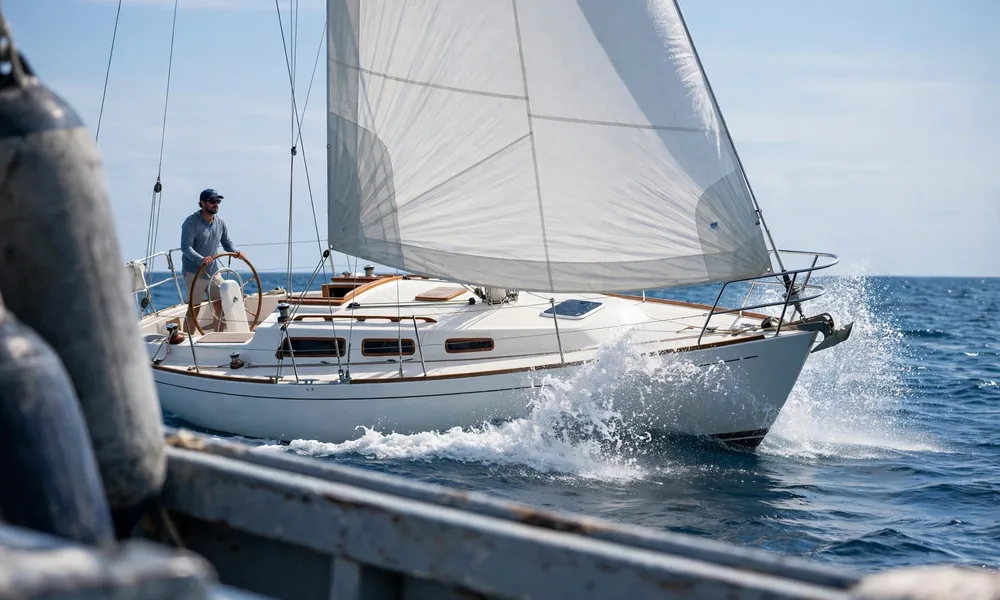
Autonomy has real uses on a yacht, and it would be dishonest to deny them. A good autopilot on a long passage lets a tired crew rest. Automatic docking assistance helps an owner handle a big boat single-handed in a tight marina. Collision-avoidance alerts catch the danger a tired watchkeeper might miss. These are genuine improvements, and they have already saved boats and lives.
The difference is between assistance and replacement. An autopilot that holds a course while the skipper watches is a tool. A yacht that sails itself while the owner sleeps below is a different proposition, and the step from one to the other is where the trouble starts. Nobody is arguing against better instruments. The argument is against removing the person from the decisions that matter.
There is also the accessibility argument: autonomy could let people who cannot sail, through age or disability, enjoy yachting. That is a real and sympathetic point, and it deserves a real answer. But the answer is a crewed yacht, a trained skipper and a boat designed to be enjoyed from the deck, not a robot boat. People who cannot sail still deserve a human in command, and arguably they deserve one more, not less.
The right place for the technology
So where does the technology belong? In the wheelhouse, as a second pair of eyes and a steady pair of hands, under the command of a person who knows the boat and the sea. The best yachts of the next decade will be the ones that use autonomy the way a good first mate is used: trusted with the routine, watched on the important things, and never left alone with the decisions that carry real risk.
That is a less exciting pitch than a boat that sails itself, and it will sell fewer magazine covers. But it is an honest one, and it respects both the technology and the sailor.
The autonomous yacht, in its fullest form, is a solution in search of a problem that yachting does not have. Yachts do not suffer from a shortage of automation. They suffer from a shortage of seamanship, and no amount of software will fix that. The fix is training, experience and time on the water, which is what yachting was always about. How yacht autopilot works explains the systems that already assist skippers well, and they work precisely because they assist rather than replace.
The verdict
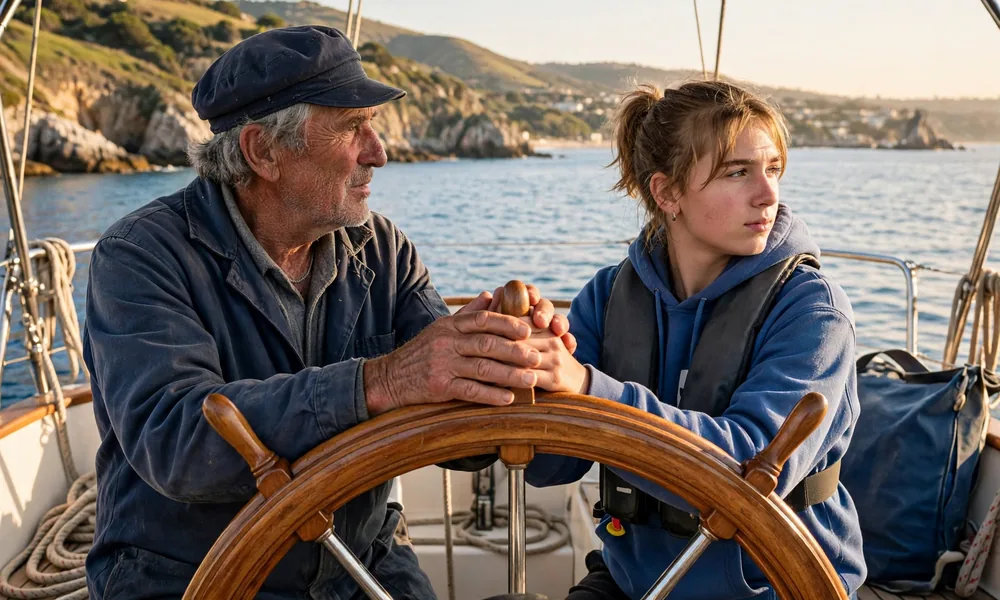
Autonomous yachts promise to free the owner from sailing, and they deliver on that promise, which is exactly the problem. A yacht without a sailor is a boat without a purpose, a vessel without a responsible person in command, and a machine that trades the best part of yachting for a feature nobody who loves the sea actually asked for.
Keep the technology, keep the assistance, keep the autopilot. But keep the sailor too. The sea has never rewarded the crew that handed over the helm, and it is not about to start now.


