Electric scooters arrived as a modest idea: a small, quiet way to cover the last mile, cheaper than a taxi and easier than a bus. Then the speed race began. Each new model promised a few more kilometres per hour, a little more acceleration, a little more thrill, until the humble commuter scooter had become a machine capable of speeds its brakes, tyres and riders were never designed for. The question nobody stopped to ask is whether faster was ever the point.
The case for slower electric scooters is a case for remembering what the scooter is for. It is a short-trip vehicle for real streets, shared with pedestrians, cyclists and cars. On those streets, slower is not a compromise. It is the feature that makes the scooter safe, legal, welcome and, paradoxically, more useful.

Speed is where the danger lives
The physics is simple and unforgiving. A scooter rider stands on a narrow deck, ten centimetres off the ground, with small wheels and no crumple zone, no seatbelt and no airbag. At fifteen kilometres per hour, a fall is painful. At thirty, it is a hospital visit. At forty and above, it can be life-changing. The energy in a crash rises with the square of the speed, so every extra few kilometres per hour adds far more risk than it adds usefulness.
A slower scooter changes the maths. Lower top speeds mean shorter stopping distances, gentler falls and more time to react when a pedestrian steps out or a car door opens. It also means the scooter’s own hardware lasts longer: the brakes work within their limits, the tyres grip instead of sliding, and the frame is not asked to absorb forces it was never built for. How an electric scooter motor works shows how the motor, controller and battery decide the scooter’s speed, and how easily those limits can be set sensibly.
Faster scooters get banned
There is a political argument for slower scooters, and it is the one the industry keeps ignoring until it is too late. Cities tolerate scooters when they behave like bicycles: modest speeds, predictable movement, riders who share the space. They ban scooters when they behave like motorbikes: fast, silent, weaving through pedestrians and frightening everyone they pass.
Every city that has banned shared scooters did so after a pile-up of complaints about speed, and every ban hurts the slow, careful riders far more than the fast ones. The commuter who used a scooter for a ten-minute ride to the station loses a genuinely useful service because a minority of riders and manufacturers treated the speed limit as a suggestion. A slower scooter, built to a speed that cities are comfortable with, is a scooter that stays legal, stays welcome and stays in business.
Slow is faster in the city
Here is the part the speed merchants never mention: on a real city journey, top speed barely matters. A typical scooter trip is two or three kilometres, through traffic lights, junctions, pedestrian crossings and parked cars. The average speed of that trip is set by the stops, not by the straights, and a scooter that tops out at twenty-five will arrive within seconds of one that tops out at forty, because both of them spend most of the journey waiting at the same red light.
What does matter is acceleration from a standstill, and a slower scooter can be tuned to deliver exactly that: brisk, confident pull away from the lights, and then a calm, legal cruising speed. That is the combination that makes a scooter feel quick without being dangerous, and it is the combination that good e-bikes have used for years. The e-bike industry learned this lesson early, and it is no coincidence that e-bikes are welcomed in cities where scooters are not.
There is also the simple matter of range. A scooter ridden at modest speeds goes further on a charge than one ridden flat out, because aerodynamic drag and motor losses climb steeply with speed. A slower scooter is a scooter that finishes the journey instead of dying two streets from home, and a rider who trusts the battery is a rider who uses the scooter again tomorrow. How electric scooter regenerative braking works explains how braking energy is recovered, and the gains are biggest when the scooter is ridden at the speeds it was designed for.

The counterargument, honestly stated
The case against slower scooters is not nothing. Some riders genuinely need more speed, particularly on longer commutes or on roads where keeping up with traffic is safer than being overtaken by it. A scooter limited to walking pace on a forty-kilometre-per-hour road is a hazard, not a solution, and its rider is more vulnerable than a faster one would be.
There is also the argument about choice. Adults should be free to buy the machine they want and ride it responsibly, and a blanket speed limit punishes the careful majority for the sins of a reckless minority. If the problem is bad riding, the argument goes, the answer is enforcement and education, not a slower machine.
Both points are fair, but they argue for nuance, not for unlimited speed. Different roads deserve different limits, and a scooter that adapts its top speed to where it is ridden is a better answer than one that goes fast everywhere. The point is not that every scooter should crawl. It is that the default should be slow, and the fast settings should be the exception, earned by the road rather than assumed by the rider.
What a slower scooter looks like
Imagine a scooter designed around twenty-five kilometres per hour and proud of it. Wide, grippy tyres. Big, reliable brakes. A low centre of gravity and a deck with room for both feet. A motor tuned for brisk acceleration and a battery sized for real range at real speeds. Lights, indicators and a bell that actually work, because a slow scooter that is seen and heard is a safe one.
It would not win a drag race, and it would not need to. It would win the argument that matters, which is whether scooters belong in the city at all. A scooter that is safe, quiet, predictable and welcome is a scooter that cities keep, that parents let their teenagers ride, and that commuters choose without apology. That is a bigger market than the thrill-seekers ever were, and it is the market the industry should be building for.
The scooter’s future is not going to be decided by the fastest model on the shelf. It is going to be decided by the cities, the voters and the pedestrians who share the streets, and they have already told us what they want. They want a scooter that moves at the speed of the city, not past it. The best electric scooters for commuting 2027 shows which models already get this balance right, and the best commuters are rarely the fastest ones.
The verdict
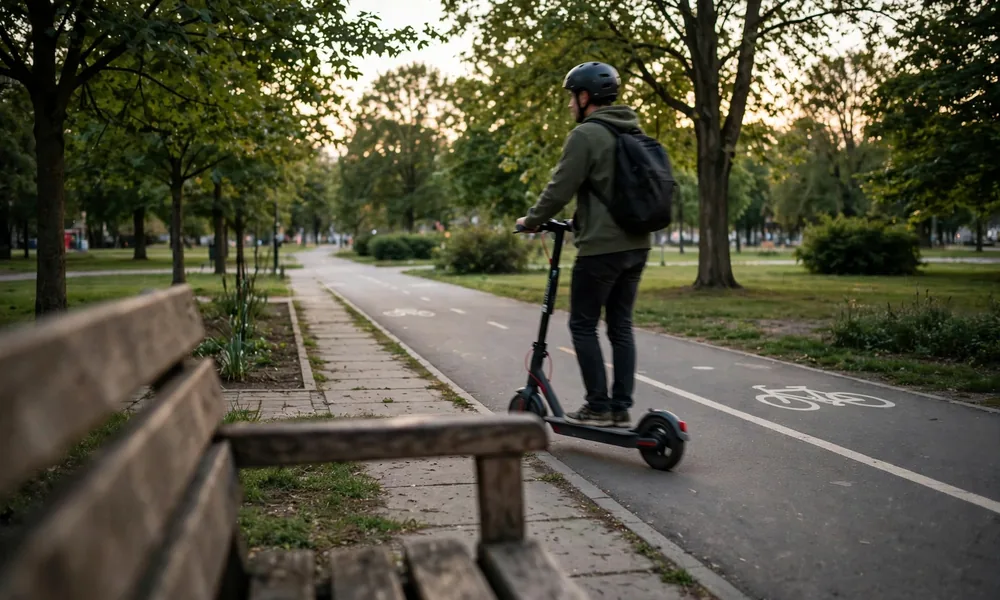
Slower electric scooters are better scooters: safer for their riders, kinder to the pedestrians they share the streets with, more welcome in the cities they serve, and more honest about what a short-trip vehicle is actually for. The speed race made scooters faster and worse at the same time, and it is time to call it what it was: a wrong turn.
Slow down. The scooter will go further, last longer and be allowed to stay. That is not a sacrifice. It is the whole point.


