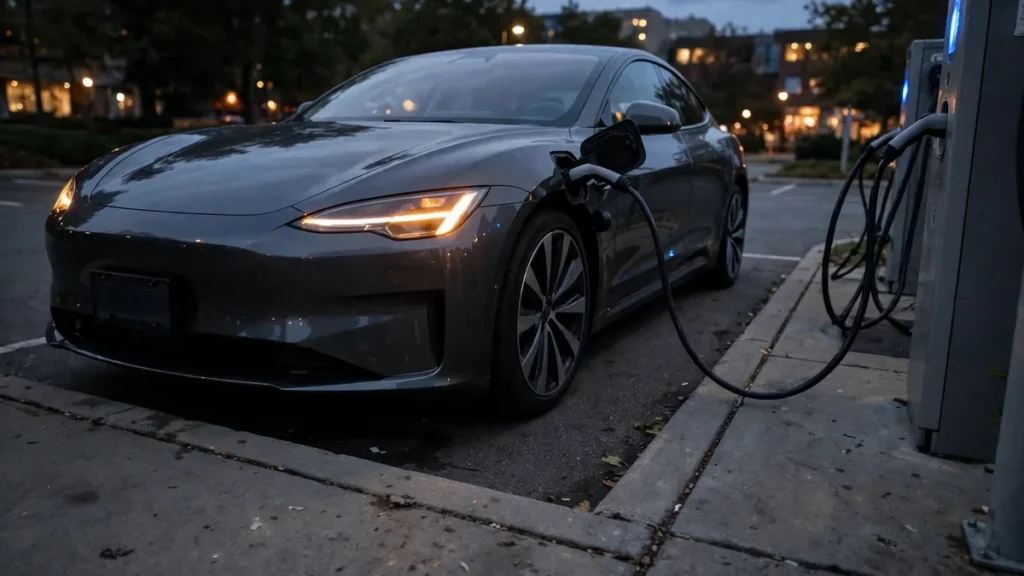
For thirty years, the electric car has run on lithium. It powers almost every EV on the road, from city runabouts to luxury saloons, and the whole industry has been built around it. But lithium is expensive to mine, its price swings wildly, and most of the world’s supply comes from a handful of countries. Now a challenger has arrived, made from one of the most abundant materials on Earth: ordinary salt. A sodium-ion EV battery is a rechargeable battery that swaps lithium for sodium, and the first cars fitted with it are already on the road.
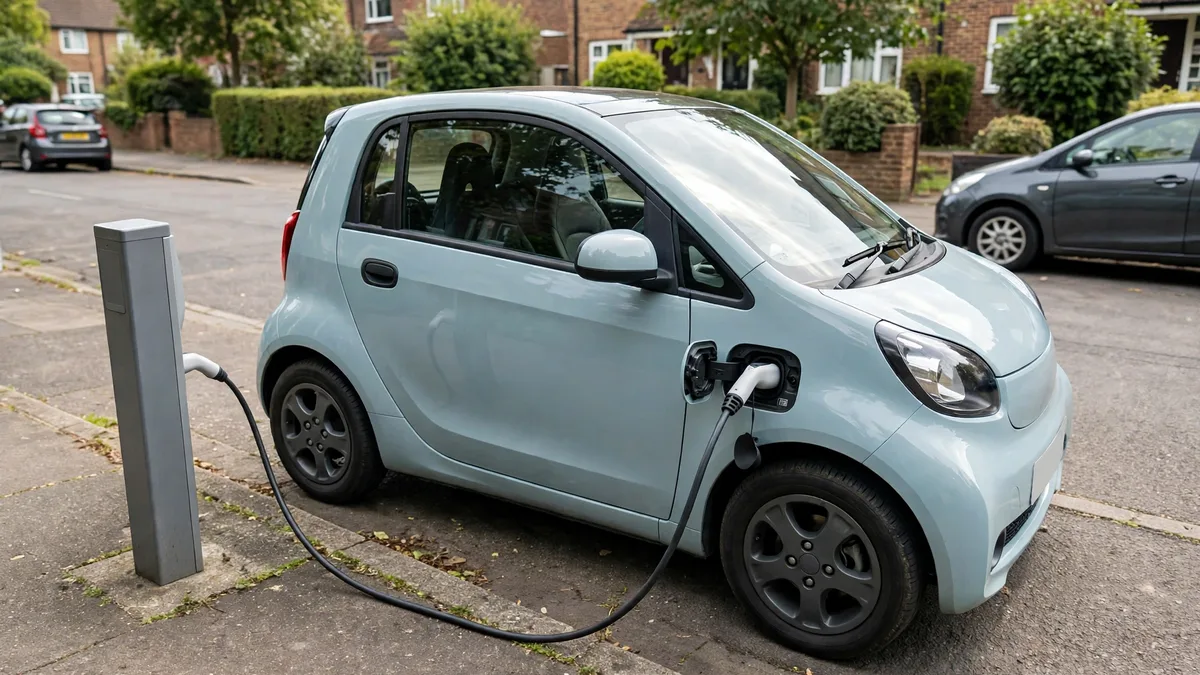
What is inside a sodium-ion EV battery
A sodium-ion battery works on the same basic principle as the lithium-ion battery in your phone. Inside each cell there are two electrodes, a liquid electrolyte, and a thin separator keeping the electrodes apart. When the car drives, sodium ions travel from one electrode to the other through the electrolyte, and electrons flow through the outside circuit to power the motor. When the car charges, the flow reverses and the ions travel back. The ions slip in and out of the electrode materials rather than breaking them apart, which is why the cell can be charged and discharged thousands of times.
There is one more material difference worth knowing: sodium-ion cells can use aluminium for the current collectors on both sides of the cell, where lithium-ion cells need copper on one side. Copper is expensive and heavy, so swapping it for aluminium saves money and weight, and it also means a fully discharged sodium-ion battery can be shipped safely at zero volts, which makes transport and storage simpler. The chemistry itself is covered in much more depth in our guide to how sodium-ion batteries work, if you want the step-by-step version.
How much range do you actually get
This is the question that decides whether a sodium-ion EV makes sense for you, so here is the honest answer. Early sodium-ion cells for cars reach around 140 to 175 watt-hours per kilogram, which is close to the lithium iron phosphate chemistry used in affordable EVs today, but clearly below the nickel-based lithium cells in long-range cars, which reach 200 watt-hours per kilogram or more. In plain terms, a sodium-ion car with the same size battery as a long-range EV will not go as far.
In practice, that means sodium-ion cars are being built as affordable, shorter-range vehicles first. The first production models have been small city cars and compact hatchbacks with real-world ranges in the region of 150 to 250 miles, depending on the size of the pack and the driving conditions. That is plenty for commuting, school runs and weekend trips with a charge at home, but it is not the right tool for someone who regularly drives 300 miles in a day without stopping.
Charging, cold weather and lifespan
Where sodium-ion starts to look genuinely attractive is in everyday use rather than on a spec sheet. Sodium-ion cells charge quickly, and they accept high charging power across a wider range of charge levels than many lithium cells. That means less time waiting at a rapid charger on a long trip, and a battery that is happier being charged to full regularly, something lithium iron phosphate also tolerates but nickel-based lithium cells do not.
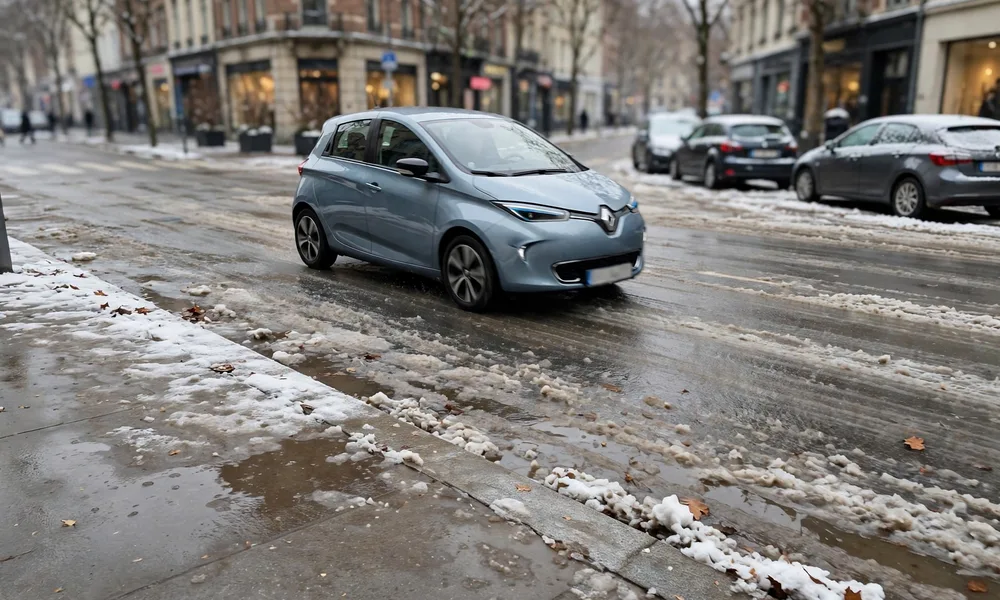
Cold weather is the other surprise. Lithium batteries lose a noticeable chunk of their range in winter, and charging a cold lithium battery slowly is one of the more frustrating parts of EV ownership in northern climates. Sodium-ion cells hold up much better in the cold, retaining far more of their usable capacity at freezing temperatures, and they can be charged at low temperatures without the same risk of damage. For a driver in a cold climate who parks outside, that is a real, daily benefit rather than a laboratory curiosity.
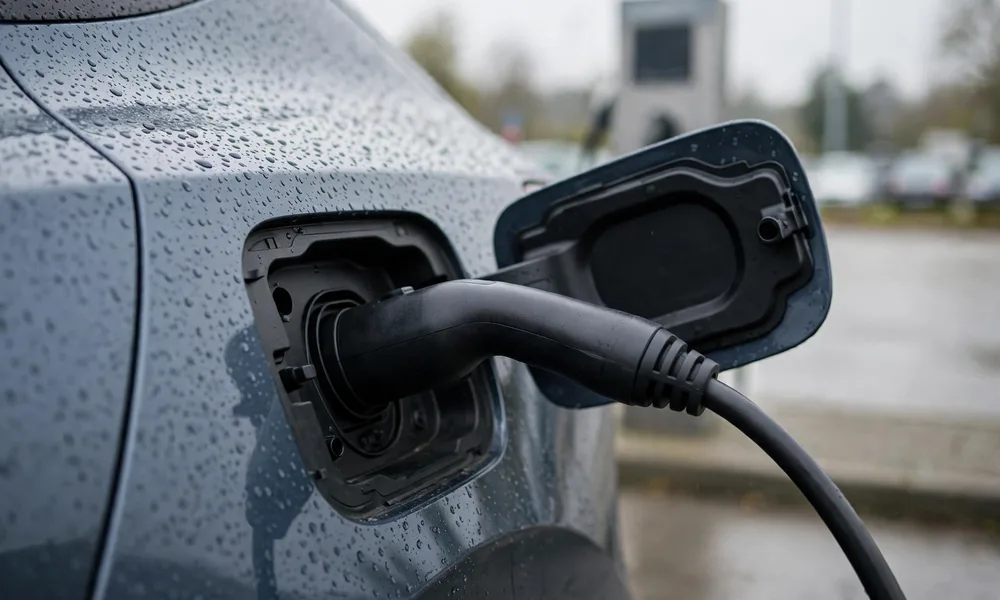
Sodium-ion versus the lithium batteries in cars today
To understand where sodium-ion fits, compare it with the two lithium chemistries that dominate EVs now. Lithium iron phosphate, usually shortened to LFP, is the affordable workhorse: cheaper than nickel-based cells, very safe, long-lived, and tolerant of being charged to full. Its weakness is energy density, and that is exactly where sodium-ion competes, offering similar range at a lower cost, with better cold-weather performance on top.
Which cars use sodium-ion, and what they cost
The first sodium-ion cars have been small, affordable models, mostly from Chinese manufacturers, where the battery supply chain is most advanced. Early examples include compact city cars built around sodium-ion packs, with more models announced as production scales up. European and American manufacturers have announced sodium-ion programmes too, but their cars are further behind, and the first sodium-ion models in Western markets are expected to be budget cars and commercial vehicles rather than premium models.
Price is the whole pitch. Sodium itself costs very little, and because the other materials are abundant, a sodium-ion pack should eventually cost meaningfully less than an equivalent lithium iron phosphate pack. How much of that saving reaches the buyer depends on manufacturing scale, and early sodium-ion cars have not been dramatically cheaper than their LFP equivalents, because production volumes are still small. As volumes grow, the cost advantage should widen, and that is when sodium-ion cars could become the cheapest EVs on sale.
For now, the practical advice is simple. If you are shopping for an affordable EV and a sodium-ion model is on sale in your market, judge it like any other car: on its real range, its charging speed, its warranty, and its price, not on the chemistry badge. The battery is a means to an end, and a well-built sodium-ion car with a good warranty is a better buy than a poorly built lithium car, whatever the spec sheet says. The way a battery pack is put together matters as much as the chemistry inside it, which is why it is worth reading how to read an EV battery spec sheet before comparing models.
Who should buy one, and who should wait
Sodium-ion suits a particular kind of driver very well. If most of your driving is under 150 miles a day, you can charge at home overnight, you live somewhere with cold winters, and you want the cheapest EV that does the job, a sodium-ion car is an excellent fit. The lower range will rarely matter, the cold-weather performance will matter often, and the lower price is money in your pocket from day one.
What comes next
Sodium-ion is not a replacement for lithium. It is a second option, and the EV market is big enough for both. Lithium will keep powering the cars that need maximum range, while sodium-ion takes the affordable end of the market, where price matters more than range and where its cold-weather and charging strengths count for more. That is a healthy split, and it is one reason the technology is being taken seriously rather than treated as a curiosity.
The next few years will tell us how far it goes. If production scales as planned, sodium-ion could become the default battery in the cheapest EVs, in delivery vans, and in home energy storage, where weight matters even less than in a car. The technology after that, solid-state batteries, promises another leap in energy density, and our guide to how solid-state batteries work explains what that could mean. For now, though, the salt battery has already done something remarkable: it has put a credible, cheaper alternative to lithium into real cars, on real roads, at a price ordinary drivers can afford.