Here is Wilklit’s view, stated plainly: the hybrid, not the pure electric car, will win the next decade of motoring. Not because electric cars are a failure — they are not — but because the car industry spent ten years promising a future that the roads, the grids and the wallets of ordinary buyers were never ready for. Hybrids are the compromise everyone loves to dismiss and nobody can stop buying, and the sales figures have been saying so for years while the commentary class looked the other way.
The argument for hybrids is not romantic. It is arithmetic. A hybrid uses a small battery, a proven petrol engine and a clever bit of software to cut fuel use by a third or more, with no charging cable, no range anxiety and no need for a driveway. It asks nothing of the buyer except that they keep filling up at the same petrol stations they have always used. That is why hybrids keep outselling pure electric cars, and why carmakers that bet everything on electric-only have quietly walked back to hybrids.
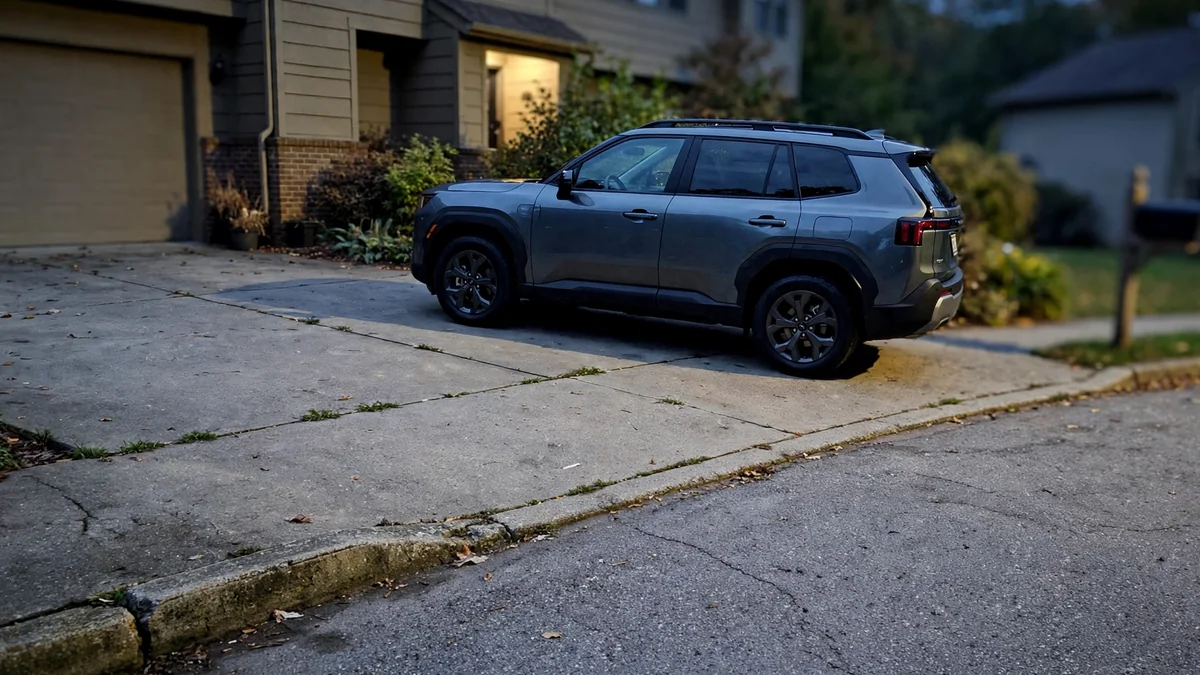
The charging maths still does not work for everyone
The electric dream depends on one thing above all else: somewhere to charge. Around half of all drivers in most countries have no driveway and no garage, which means no home charger, which means their entire ownership experience depends on public chargers that are more expensive, less reliable and often occupied. A hybrid driver never thinks about any of this. They fill up in four minutes and drive on, and the battery quietly tops itself up from braking and from the engine. For a family in a flat, a renter, or anyone who parks on the street, that is not a small convenience. It is the difference between a car that fits their life and one that fights it.
Supporters of pure electrics answer that charging networks are growing fast, and they are right. But growing fast and being good enough are different things. A network that works for early adopters — people with driveways, second cars and patience — is not the same as a network that works for everyone. Until public charging is as cheap, as fast and as boring as filling a tank, a huge part of the market will keep choosing the car that does not ask them to plan their life around a plug. Hybrids win that argument every single time because they do not ask the question at all.
Cost is the argument nobody wants to have
Then there is the money. A hybrid typically costs a few thousand more than the equivalent petrol car and several thousand less than the equivalent electric one, while saving its owner real fuel money from the first month. An electric car can be cheaper to run, but only after the buyer has cleared a much higher purchase price, and often only if they can charge at home on a cheap overnight tariff. For the buyer without a driveway, the sums flip: public charging at peak rates can cost as much per mile as petrol, and the savings evaporate entirely.
This is where the industry’s electric-first strategy ran into reality. Carmakers built expensive electric cars for wealthy early adopters and assumed prices would fall fast enough to bring everyone else along. Prices fell, but not fast enough, and interest rates rose at exactly the wrong moment. Meanwhile hybrid technology, refined over a quarter of a century, got cheaper, smoother and more efficient with every generation. The result is a car that makes financial sense for the middle of the market right now, not in some promised future. That is what winning a decade looks like: not the best technology in a laboratory, but the best technology a normal buyer can actually afford.

Even supercars proved the point
If hybrids were merely a budget compromise, the world’s most expensive carmakers would have ignored them. They did the opposite. Ferrari, Lamborghini and McLaren all put hybrid systems at the heart of their flagship cars, not to save fuel but because electric motors fill the gaps in a petrol engine’s power delivery in a way no turbocharger ever could. Our look at how a hybrid system actually works in Ferrari’s flagship shows the idea at its most extreme: electricity used as a precision tool, not a replacement. When the most performance-obsessed engineers on earth choose hybrid power, the argument that hybrids are a halfway house starts to look thin.
The same logic scales down. A family hybrid uses its electric motor for the same reason a hypercar does: instant torque at low speed, silent running in traffic, and an engine that only works hard when it is efficient to do so. The engineering is shared; only the price tag changes. And because hybrid batteries are small — a fraction of the size of an electric car’s pack — they need a fraction of the lithium, cobalt and nickel. That matters too, because the world does not have enough battery minerals, cheaply and cleanly, to turn every car on the road into a long-range electric vehicle in ten years. It does have enough for hybrids. Understanding how an EV battery pack works makes the scale of that problem clear, and how battery packs are built shows why smaller packs are simply easier to make, in greater numbers, right now.
What the other side gets right
None of this means electric cars are going away, and anyone who argues that hybrids are the final answer is as wrong as the people who said electrics would take over by 2030. Electric cars are quieter, simpler to maintain, and genuinely better to drive in a city. Their running costs for a driver with home charging are unbeatable, and every year the batteries get cheaper and the range gets longer. In countries with clean grids and generous incentives, electrics already make more sense than hybrids for a large share of buyers, and that share will keep growing.
The honest version of our argument is narrower than the headline: hybrids will win the next decade because the next decade is a transition, and transitions are won by the technology that works for the most people with the least disruption. Electric cars are the destination for much of the market. Hybrids are how most of the world actually gets there. Pretending the destination has already arrived does not speed it up; it just leaves millions of buyers with cars that do not fit their lives, and pushes them back towards pure petrol.

The verdict
Wilklit’s view is that the next decade belongs to the hybrid. It will outsell pure electrics in most markets, it will carry the car industry’s profits while electric cars mature, and it will cut real-world emissions faster than waiting for a perfect charging network that may take twenty years to arrive. The purists will call that a failure of ambition. We call it engineering honesty: build the car that works for the buyer, with the infrastructure that exists today.
Ten years from now, the roads will be far more electric, and hybrids will deserve much of the credit for getting us there without breaking the market. The hybrid was never the enemy of the electric car. It was the bridge — and bridges, unglamorous as they are, are what actually get people across.


