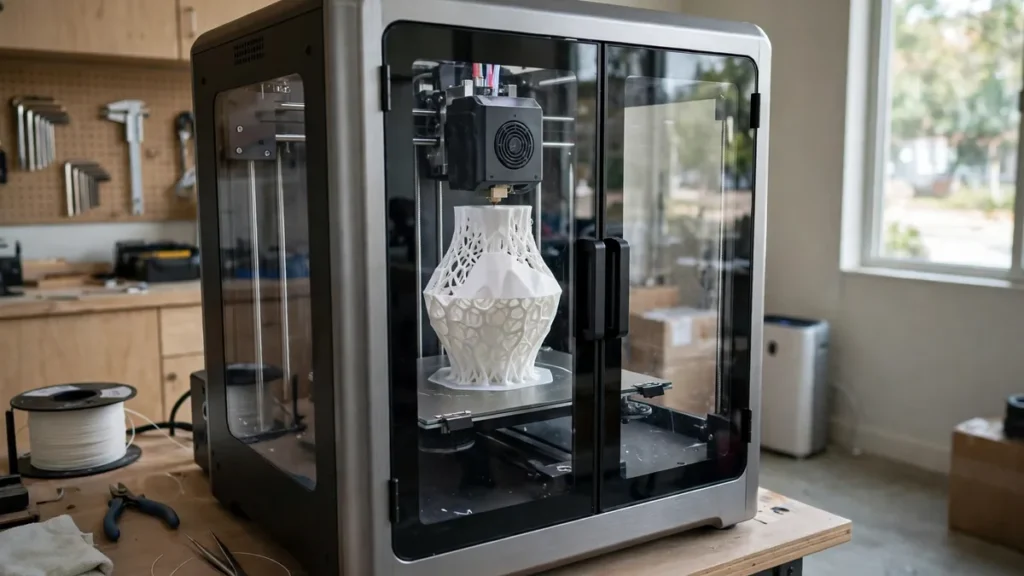
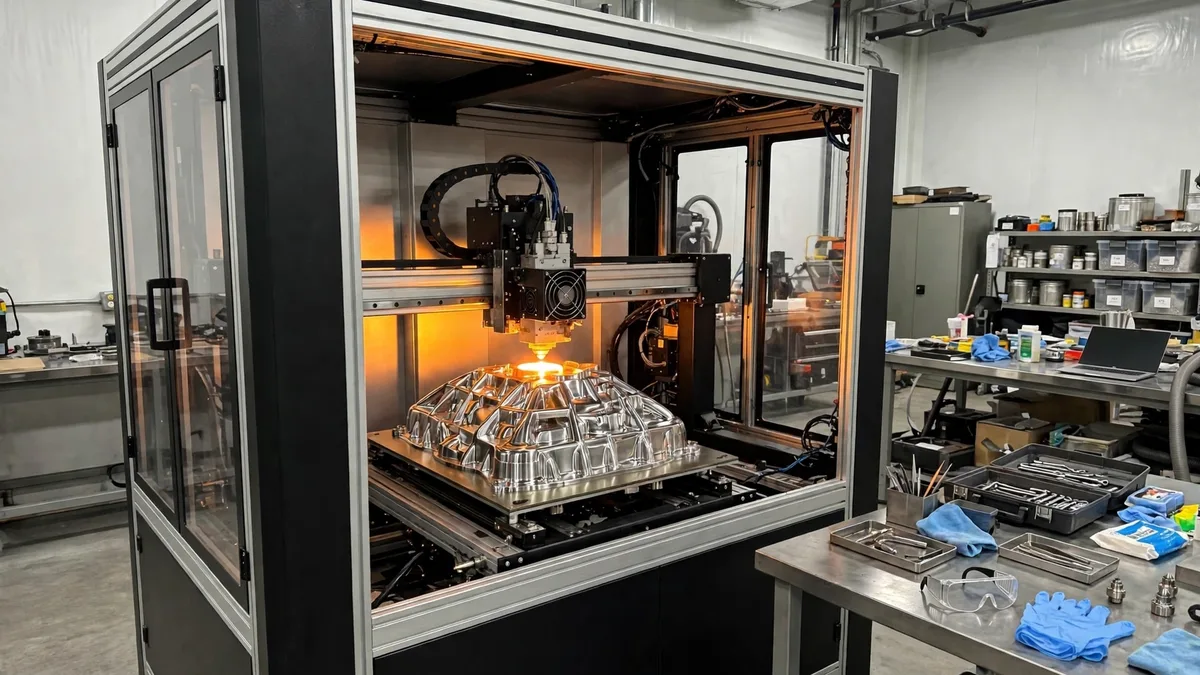
In a clean workshop at the end of a factory floor, a machine the size of a small wardrobe is printing a metal part that no mill could ever cut, and a visitor asks the engineer what the machine cost. The engineer names a figure, quietly, and the visitor laughs, then looks at the machine again, more carefully, because the number sounds like the price of a house. The machine is a luxury 3D printer, and it costs as much as it does for reasons that have almost nothing to do with the plastic printers sitting on hobbyists’ desks.
This is why a luxury 3D printer is so expensive, in seven costs, from the frame and the motion system to the lasers, the materials and the people who keep it running. Each reason alone sounds reasonable, and it is only when they are added together that the price starts to make sense, because a luxury printer is not a bigger hobby machine, it is a factory that fits in a single cabinet.
Reason 1: A frame that never flexes
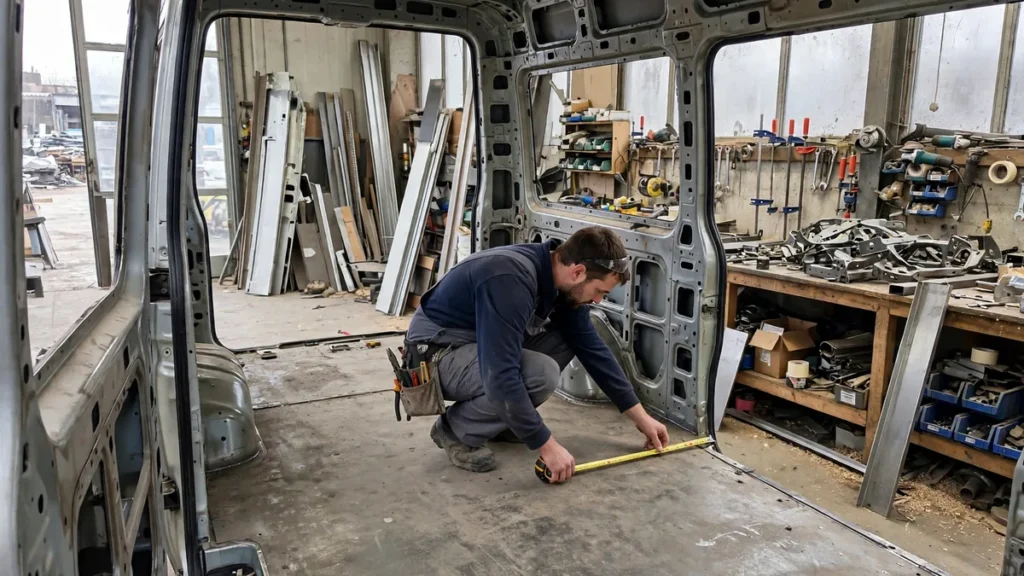
The first cost is the frame, and it is the least glamorous and the most expensive part to get right. A hobby printer is built from aluminium extrusion that flexes by a hair under load, and a hair is enough to ruin a precision part. A luxury printer is built from machined steel or cast iron, squared and stress-relieved so it holds its shape for years, and the frame alone can weigh half a tonne. The frame is machined, squared and tested before anything is bolted to it, and the guide to how a luxury 3D printer is made follows the frame, the rails and the calibration from the workshop floor to the first print.
Reason 2: Motion systems measured in microns
The second cost is the motion system, the rails, screws and motors that move the print head. A luxury printer uses ground ball screws and linear rails machined to tolerances a human hair would dwarf, driven by servo motors that know exactly where they are at every moment, rather than stepper motors that merely hope they have not missed a step. The rails are fitted, aligned and tested under load, and the cost of that alignment is measured in skilled hours, not in parts.
Reason 3: Lasers and print heads that melt metal
The third cost is the print head itself, and on a luxury metal printer it is a laser, not a nozzle. A fibre laser powerful enough to melt titanium powder costs more than a family car, and it needs cooling, shielding and optics that stay perfectly aligned while the machine shakes and heats around them. The laser fuses metal powder layer by layer, each layer thinner than a sheet of paper, and the beam is steered by mirrors that move faster than the eye can follow. The guide to additive manufacturing specs, explained sets out what layer thickness, build volume and laser power really mean, and it is worth reading before you trust any single figure on a brochure.

Reason 4: A heated chamber that thinks like an oven
The fourth cost is the chamber, and it is the reason a luxury printer looks like a sealed cabinet rather than an open frame. Metal shrinks as it cools, and if one part of a print cools faster than another, the whole piece warps and cracks. A luxury printer holds its chamber at a precise, even temperature for the whole build, with heaters, insulation and sensors working together like an oven that never drifts. A print that warps is a print that is scrapped, and the chamber is what keeps that from happening.
Reason 5: Materials that cost more than gold, by weight
The fifth cost is the material, and it is the one that keeps costing long after the printer is bought. Luxury printers do not use the cheap plastic filament of hobby machines; they use metal powders of titanium, Inconel and aluminium, made to exact specifications, sieved to a uniform grain, and stored like medicine. A kilogram of aerospace-grade titanium powder can cost hundreds of dollars, and a large build can use tens of kilograms, much of it recycled and re-sieved after each print. The process that turns those powders into parts is a subject of its own, and the guide to how additive manufacturing works shows how layers of powder become a finished component, step by step.
Reason 6: Software and certification that prove every part
The sixth cost is the software and the certification, and it is the one buyers forget until their first part fails inspection. A luxury printer comes with software that simulates the whole build before it starts, predicting where the part will warp and adjusting the print to stop it, and that software is licensed by the year, not sold once. Every part the printer makes can be traced back to its powder batch, its laser settings and its operator, because the customers for these parts are aircraft makers and hospitals, and they demand proof, not promises. A hobby printer makes objects, while a luxury printer makes evidence, and the evidence is what the customer is really buying.
Reason 7: Low volumes and a lifetime of support
The seventh cost is the simplest: very few of these machines are ever made. A luxury printer maker might sell a few hundred machines a year, not hundreds of thousands, so the cost of designing the frame, the laser and the software is spread across a tiny number of buyers. Each machine is installed by the maker’s own engineers, calibrated on site, and supported for a decade, with spare parts, training and a telephone line to someone who knows the machine by name.
What it costs
A luxury 3D printer typically costs an estimated $250,000 to $1,000,000, depending on the build volume, the laser power, the materials it can print and the certification it carries. The price is mostly in the laser, the motion system and the chamber: a fibre laser and a micron-accurate frame cost far more than the cabinet or the controls, and the premium over a hobby printer buys parts that can fly, hold pressure and pass inspection.
A rare fact
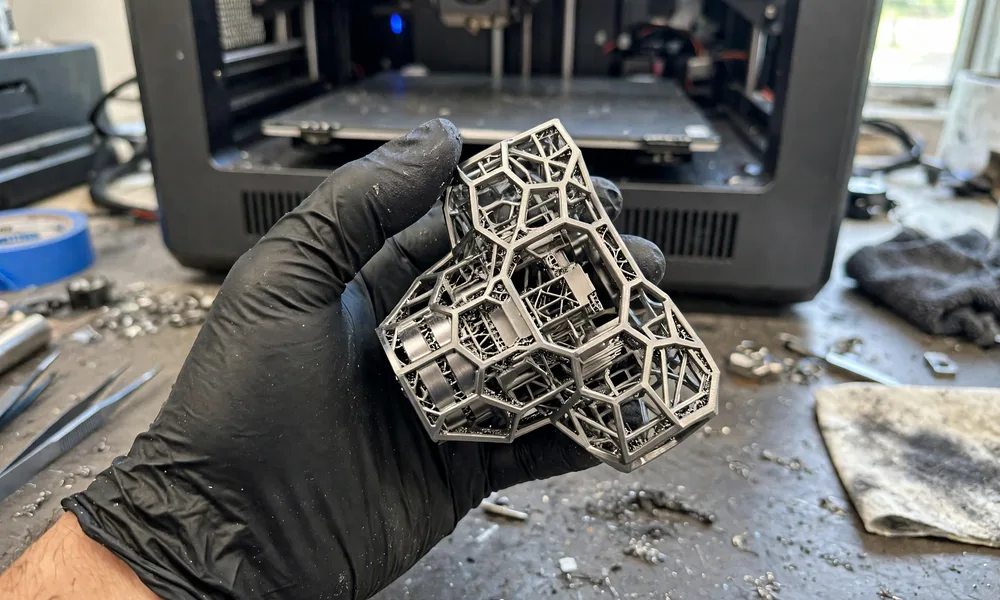
One detail few visitors ever learn is that a luxury metal printer can print a part with cooling channels inside it that curve like veins, something no drill or mill could ever reach. An engine part printed this way can carry coolant through passages that follow the heat exactly, cooling the hottest spots first, and the result is a part that runs cooler and lasts longer than one made any other way. The channels are invisible from the outside, and they are the reason engineers reach for a printer instead of a machine shop. The machine is not just making a shape, it is making a shape that could not exist before.
Add the seven costs together, the frame, the motion, the laser, the chamber, the materials, the certification and the support, and the price of a luxury 3D printer stops looking like a luxury and starts looking like a factory. It is a machine that makes parts nothing else can make, and the price is the price of that impossibility, charged one cabinet at a time.