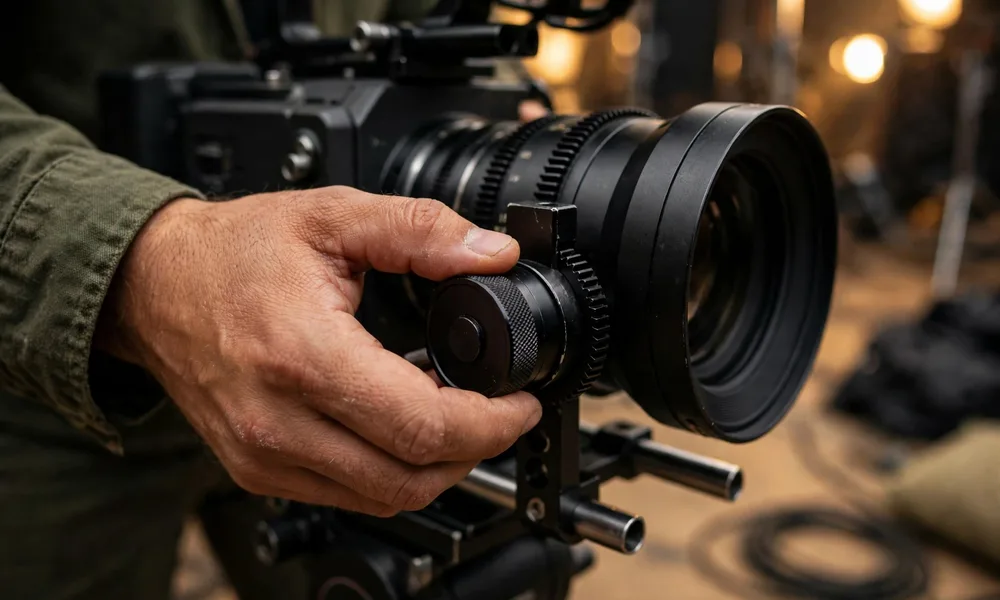
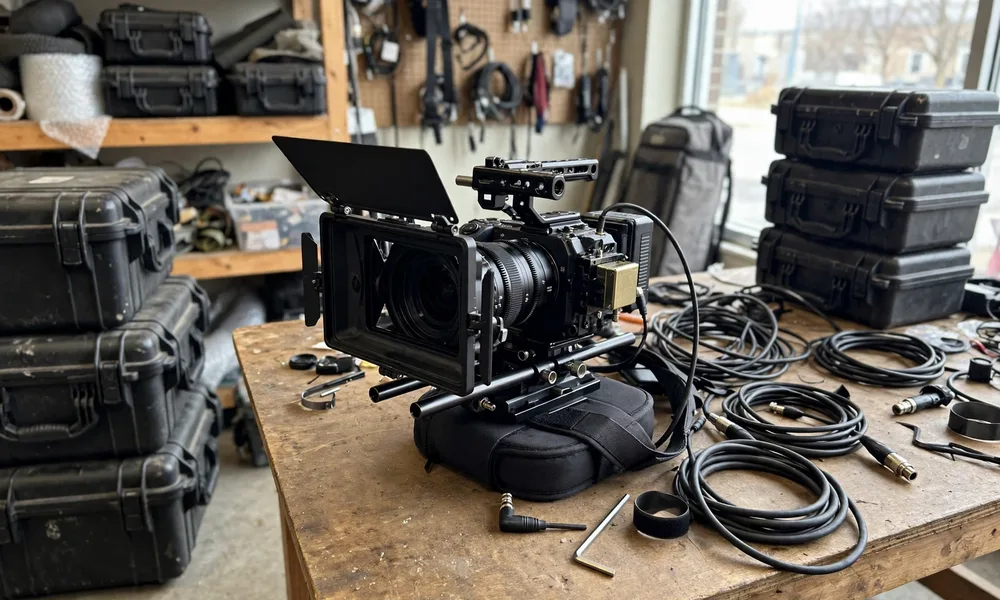
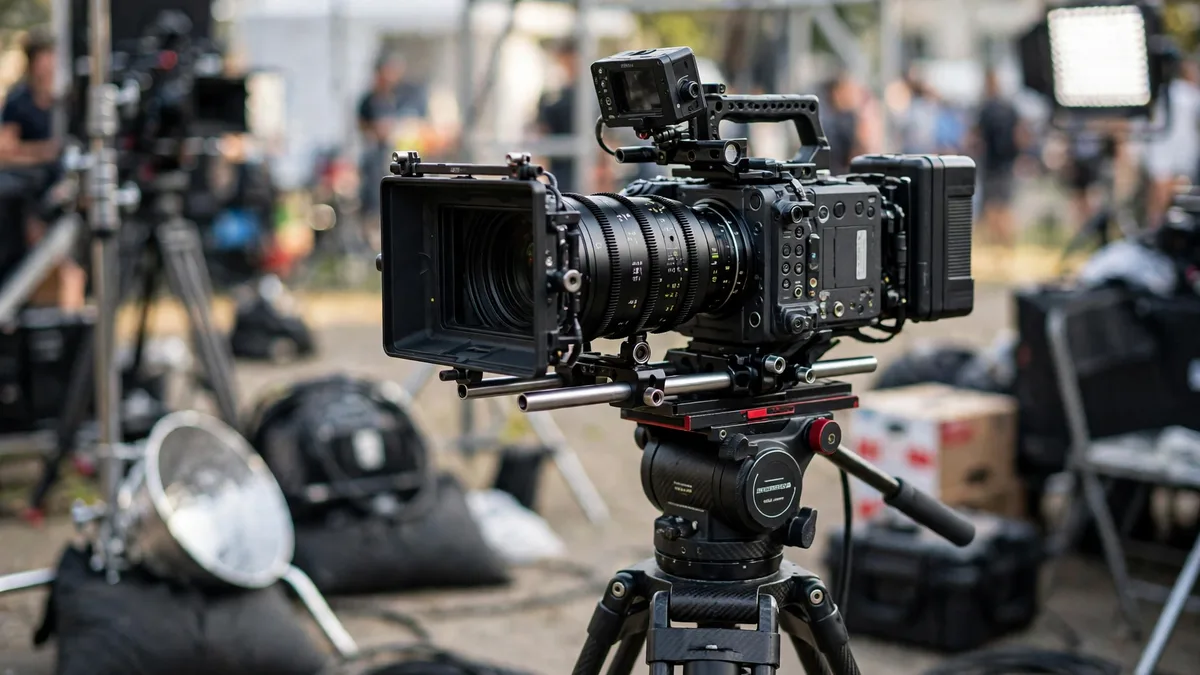
On a film set, the camera is the smallest thing in the room and the most expensive. It sits on a tripod, wrapped in cables, a matte box and a follow-focus wheel, while around it stand lights the size of wardrobes, a crew of twenty and a director watching a monitor. The camera body alone can cost more than the car the crew drove to the set in. The lens on the front can cost more than the body. They will only know whether the pictures moved them.
That paradox is the heart of the cinema camera market. These are not cameras for taking photographs. They are instruments for capturing moving images at a quality that survives a cinema screen thirty metres wide, after colour grading, visual effects and compression have all had their turn. A camera that costs fifty thousand pounds does not take a prettier picture than a camera that costs five thousand. It takes a picture that survives everything a film production does to it afterwards.
Why a Luxury Cinema Camera Costs So Much
| Cost Driver | What It Adds | Typical Cost |
|---|---|---|
| Large sensor | Shallow depth, clean low light | $10,000 to $30,000 |
| Raw recording | Uncompressed image data, grading room | $5,000 to $15,000 |
| Dynamic range | Detail in shadows and highlights | $5,000 to $10,000 |
| Colour science | Natural skin tones, film-like look | $3,000 to $8,000 |
| Build and cooling | All-day shooting, desert to snow | $3,000 to $8,000 |
| Modular system | Rigging, monitors, wireless control | $5,000 to $20,000 |
| Tiny production runs | Hand assembly, long support life | $5,000 to $15,000 |
These are typical figures, not promises. One maker’s colour science may be worth more than another’s sensor, and the numbers only make sense together. A camera with a huge sensor and poor colour will still make actors look ill, while a camera with beautiful colour and a small sensor will still fall apart on a cinema screen.
The Sensor and the Raw File
The sensor in a cinema camera is large, often larger than a full-frame stills sensor, and it is built to gather light cleanly rather than to pack in megapixels. Resolution matters, but dynamic range matters more. Dynamic range is the gap between the darkest shadow and the brightest highlight the camera can record in a single frame, and a good cinema camera can hold detail in both at once. A face lit by a window stays visible while the view outside the window stays visible too, and that single ability is what makes cinema footage feel real.
Raw recording is the second great cost. A normal camera compresses its video as it records, throwing away information to keep the files small. A cinema camera records raw, keeping almost everything the sensor sees, so the colourist in post-production can change the exposure, the white balance and the look of the shot long after filming has finished. The files are enormous, often a terabyte an hour, and they demand fast storage, fast computers and a crew who know how to handle them. The luxury camera specs explain the same trade-off in stills cameras, where raw files give the photographer room to rescue a difficult shot, and cinema simply takes that idea to its extreme.
Colour science is the part of the price that is hardest to measure and easiest to see. Every camera maker has its own way of turning sensor data into skin tones, and the best ones make people look healthy and natural under almost any light. Cheaper cameras can be graded to look close, but the work takes longer and the result rarely matches. Directors choose a camera system partly for this look, and once a production has built its workflow around one maker’s colour, it rarely switches. The luxury projector specs show the other end of the same chain, because a film graded on a reference projector in a dark room is the standard the camera footage must survive.
Built for the Set, Not the Shelf
A cinema camera is built to work all day, every day, in heat, cold, dust and rain, and to keep working when it is dropped, bumped and rigged onto cars, cranes and drones. The body is machined metal, not plastic, and the cooling system is designed to run for hours without the camera overheating and shutting down mid-take. That reliability is part of the price, and it is the part producers care about most, because a camera that fails on set costs far more in lost time than it ever cost to buy.
Modularity is the other half of the design. A cinema camera is not a finished object but a core that the crew builds around, adding monitors, wireless focus systems, batteries, matte boxes and handles until it fits the shot. The same body can be a lightweight handheld rig in the morning and a heavy studio setup in the afternoon, and every accessory is made to the same standard as the camera itself. The how the luxury yacht cinema is made story shows the same modular thinking in a very different room, where a cinema is built into a yacht piece by piece, and the screen, the sound and the seating all have to work together as one system.
As an estimate, a good cinema camera body costs about $6,000 to $12,000, a luxury body about $20,000 to $45,000, and a flagship body about $60,000 to $90,000, before lenses. A single cinema prime lens costs $5,000 to $25,000, and a full set of six can pass $100,000. Most productions rent rather than buy, paying about $500 to $1,500 a day for a body and lens package, which is why the cameras you see on set are often hired, not owned.
Storage is the hidden cost that surprises every first-time cinema camera buyer. Raw footage fills drives at a terrifying rate, and a single day of shooting can produce several terabytes that must be copied, backed up and stored in at least two places before the cards are wiped. The media itself is expensive, the card readers are expensive, and the hard drives that hold a finished film can cost more than the camera hire. A production that budgets for the camera and forgets the storage will run out of space by lunchtime on the first day.
A Rare Fact From the Film World
Here is a detail few film fans ever learn: some of the most famous films of the last decade were shot on cameras that cost less than the catering budget, while some of the most expensive cameras ever built have shot films nobody remembers. The camera does not make the film. The light, the lens, the actors and the story do, and the camera’s job is simply not to get in their way. The most expensive camera on a set is often the one the director trusts most, and trust, once earned, is worth more than any spec sheet.
What the Price Means for You
If you are choosing a cinema camera, start with four things: sensor size, dynamic range, raw recording and colour. A large sensor, fourteen or more stops of dynamic range, true raw recording and skin tones you trust are the marks of a camera worth its price. The resolution number matters less than the brochures suggest, and the rental price matters more than the purchase price for most filmmakers. The best cinema camera is the one whose footage survives the grade, the big screen and the audience, and still looks like the world you pointed it at.