A petrol jet ski is a simple machine: a small hull, a two-stroke or four-stroke engine, and a jet pump. A luxury electric jet ski looks almost the same from the dock, yet it can cost three or four times as much. There is no engine noise, no exhaust smell, and no fuel cap. Hidden under the seat is a battery pack the size of a suitcase, a water-cooled motor, and a control system that thinks a thousand times a second. The price is the cost of replacing a century of petrol engineering with something quieter and far harder to build.
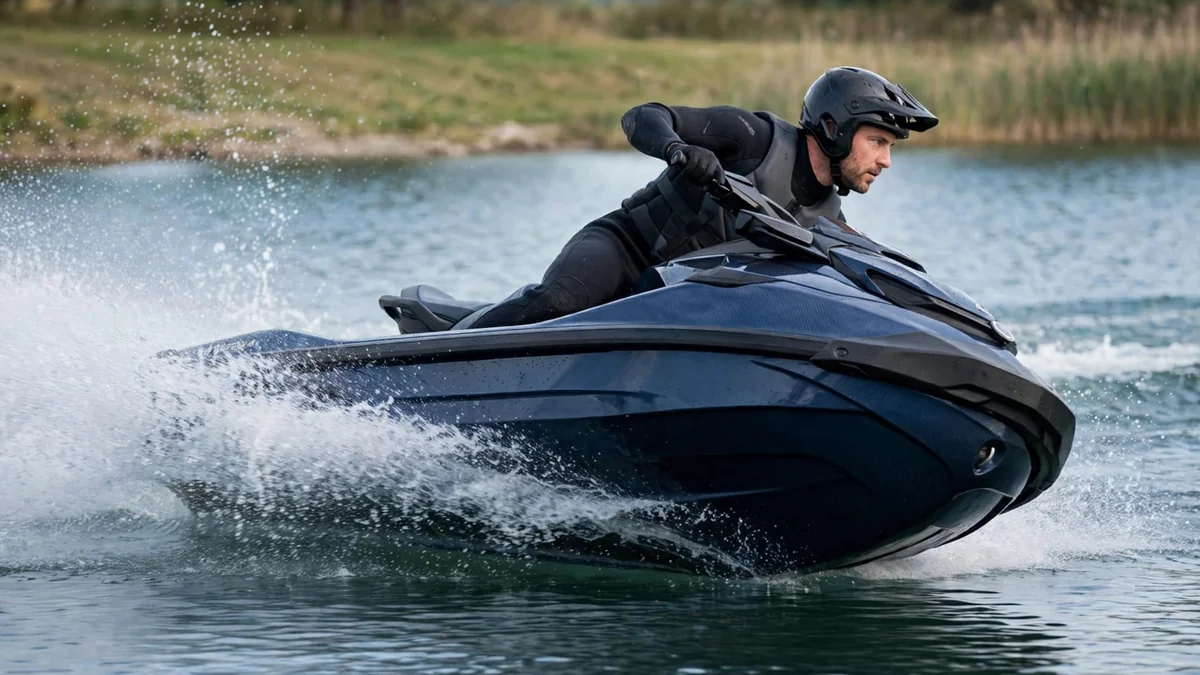
Stand on the dock as one pulls away and the difference is obvious before it moves ten feet. There is no roar, no blue smoke, and no vibration through the handlebars. The ski simply glides off, silent except for the hiss of water under the hull, and then it accelerates like it was launched from a catapult. That silence and that shove are what buyers pay for.
Where the money goes
Step 1: The battery pack
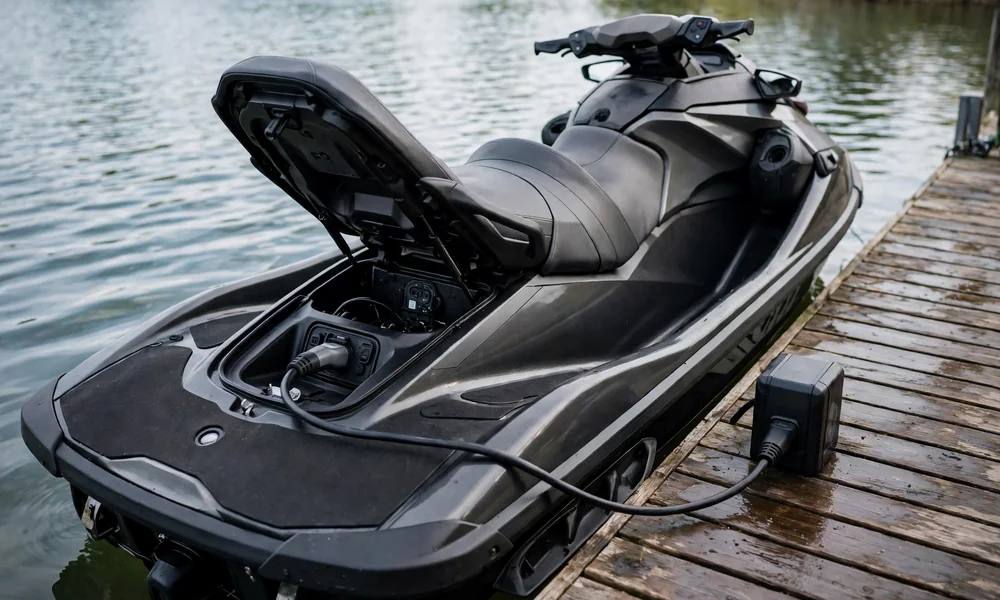
The battery is the single biggest cost on any electric jet ski, often a third or more of the whole price. A luxury model carries between ten and twenty kilowatt-hours of lithium-ion cells, sealed in a waterproof case that must survive salt water, vibration, and the occasional flip. The packaging is harder than in a car: there is no room for a big cooling system and the pack sits inches from the rider. Builders use marine-grade seals, pressure-tested housings, and battery management electronics that watch every cell.
Step 2: The electric motor and jet pump
The motor is a compact permanent-magnet unit, usually rated between 100 and 160 horsepower, mounted low in the hull and connected directly to the jet pump. There is no gearbox, no clutch, and no exhaust. The motor and its inverter generate serious heat at full power, so they are cooled by the same water the jet pump draws in, through sealed channels that must never leak into the electronics. The pump is a precision part: an impeller spinning at thousands of revolutions per minute inside a close-fitting wear ring.
Step 3: The hull and its materials
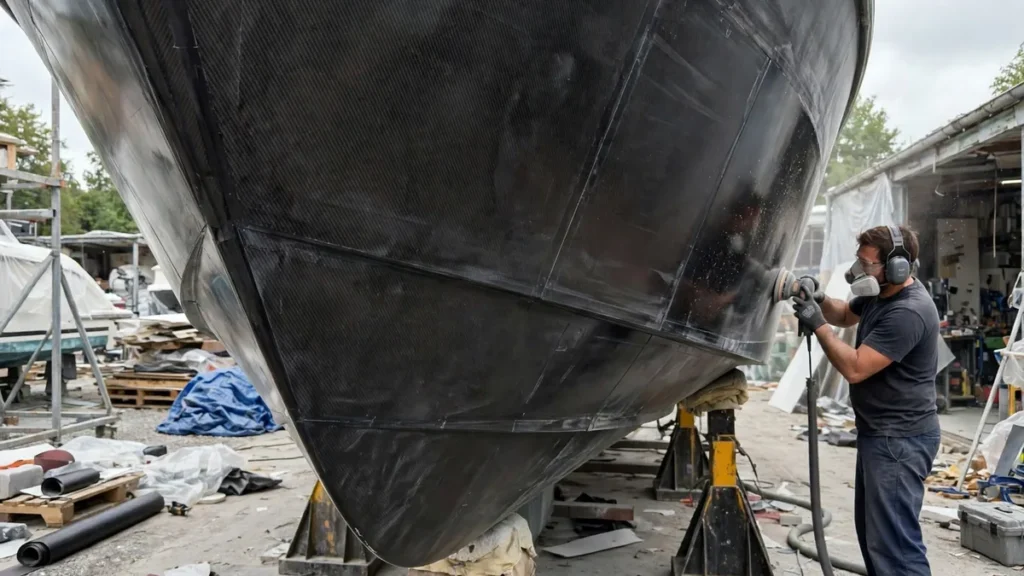
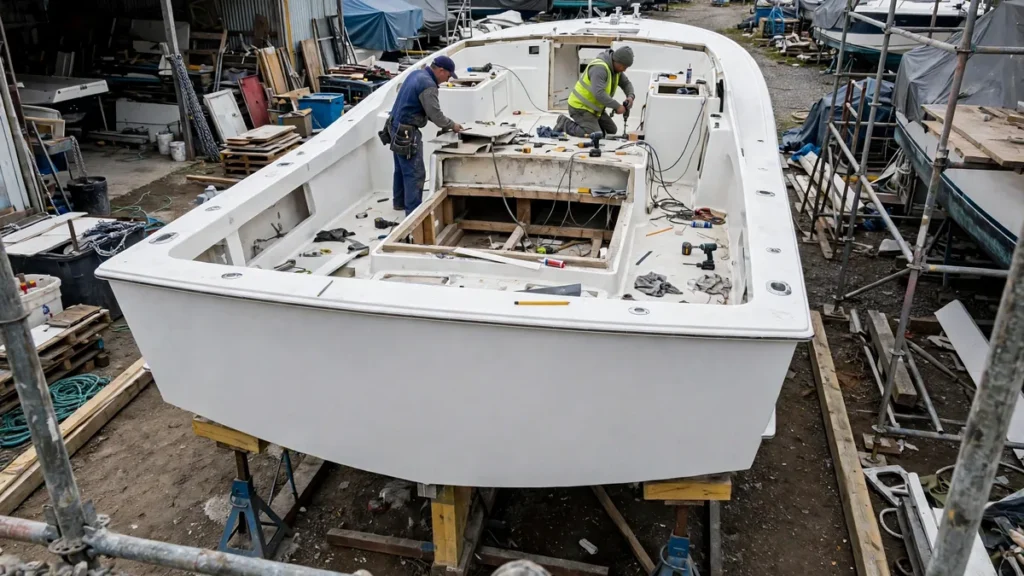
The hull of a luxury electric jet ski is built from fibreglass or a composite of fibreglass and carbon fibre, laid up by hand and cured to a precise weight. Weight matters more here, because every extra kilogram is range lost, so builders spend on light materials. The deck carries a premium seat with marine-grade vinyl, a watertight storage compartment, and a reboarding step at the stern. The handlebars carry an integrated display and a wireless safety key that stops the motor if the rider falls off.
Step 4: The electronics and software
A luxury electric jet ski is as much software as hardware. The ride modes, eco, sport, and a limited mode for beginners, are all software settings that change how much power the motor is allowed to draw. The display shows battery state, range, speed, and navigation, and the ski connects to a phone app for updates, tracking, and diagnostics. Regenerative braking recovers a little energy when the throttle closes. The engineering hours behind that software are a real part of the price.
Step 5: Safety and certification
Putting a high-voltage battery on a small open boat creates safety problems that petrol never had. The electrical system is sealed to a standard that keeps water out even if the ski capsizes, and the battery has a crash sensor that disconnects the power in a collision. Every ski must pass marine certification, which means testing the hull, the electrical system, and the stability in conditions a car would never face. Certification takes months and costs money on every model.
Step 6: Small production runs
The final cost driver is volume. The big petrol jet ski makers build tens of thousands of machines a year, spreading their tooling and development costs across a huge fleet. Luxury electric jet ski makers build hundreds or low thousands. Every mould and test programme is divided among far fewer buyers, so each ski carries a much larger share of the development cost. The buyer pays not only for the machine, but for the factory and the testing behind the first few hundred.

The numbers behind the price
The spec sheet of a luxury electric jet ski reads like a small electric car shrunk into a hull. The battery capacity sets the range, the motor power sets the acceleration, and the weight decides how much of each is wasted. A petrol ski of similar size is lighter and goes further on a tank, but it is louder, dirtier, and needs far more servicing. The table below compares a typical luxury electric model with the figures that matter most to a buyer weighing the two.
| Specification | Typical figure | What it means |
|---|---|---|
| Battery capacity | 15 kWh | Energy stored; sets range |
| Motor power | 120 kW (161 hp) | Peak power; instant torque |
| Top speed | 65 mph (56 knots) | Maximum, calm water |
| Range | 60 miles at mixed use | Real range, not lab figure |
| Charge time | 3 hours, fast charge | Empty to 80 percent |
| Dry weight | 850 lb (386 kg) | Heavier than petrol rivals |
| Length | 11 ft 6 in (3.5 m) | Three-seater hull size |
| Riders | 3 people | Seating capacity |
| Storage | 30 gal (114 L) | Front compartment volume |
| Draft | 12 inches (0.3 m) | Shallow water capable |
What it costs
A luxury electric jet ski typically costs an estimated $25,000 to $40,000, while a comparable petrol model costs an estimated $12,000 to $18,000. The gap is mostly the battery, which alone can cost an estimated $8,000 to $12,000 to build. Running costs favour the electric ski: charging costs an estimated $3 to $5 per full charge, and servicing is an estimated $200 to $400 a year, against an estimated $800 to $1,200 a year for a petrol ski. All prices here are estimates.
A rare fact
An electric jet ski is so quiet that it creates a safety problem of its own. Swimmers, paddleboarders, and wildlife often rely on hearing a jet ski coming, and an electric model can be within a few dozen feet before anyone notices it. Some makers add an artificial sound, a low hum through a waterproof speaker that grows louder with speed. It is a strange fix: a machine built to be silent, fitted with a speaker, because the water is safer when everyone can hear traffic coming.
The Takeaway
A luxury electric jet ski is expensive because it is a small electric car, a boat, and a piece of safety equipment all at once. The battery is the biggest cost, and the software and certification add layers a petrol ski never needed. Low production volumes spread those costs across few buyers. Running costs are lower and the ride is quieter, so the price is a question of what you value. To see how the petrol version works, read how a jet ski works, and for the motor technology at a larger scale, how an electric boat motor works explains the same ideas on a bigger boat, while the best electric outboard motors ranked shows where electric propulsion is heading across the water.